
Inherited Greatness and the Living Present
Night and DayThis flow follows the pressure of Richard Alardyce’s legacy and the novel’s gradual shift from ancestor worship toward a more personal inheritance.
increasing Bearing strength in each event
 decreasing
Bearing strength in each eventdecreasingA Distinguished Lineage
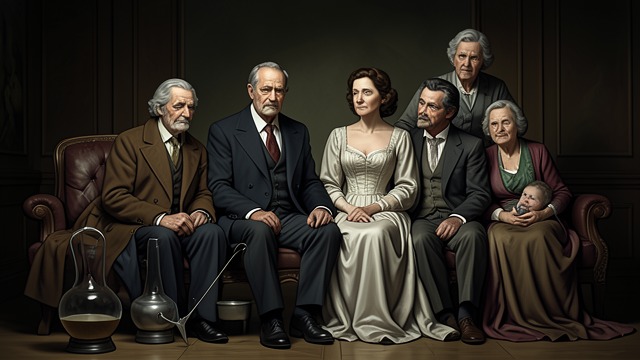
The Family’s Public Past
Reputation as inheritance
The Hilberys and their relations understand themselves through generations of eminent public figures, especially the poet Richard Alardyce. Katharine’s place as his granddaughter gives her distinction before she has chosen a vocation.
Privilege and burden
Inherited status opens doors, yet it also makes the present seem small beside celebrated ancestors. The family’s pride therefore carries a quiet demand that the descendants prove worthy.
The Poet as Household Presence
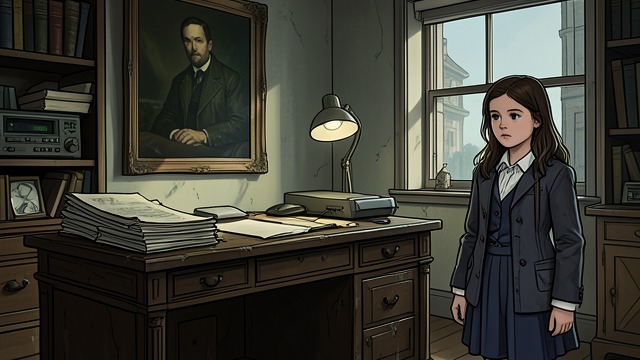
A Childhood of Remembrance
Sacred objects
Portraits, manuscripts, and stories make Richard Alardyce feel present in the family home. Katharine grows up imagining the great writers as close kin and judges ordinary life against their stature.
A narrowed horizon
The inherited past supplies meaning but can also dwarf the living. Katharine’s early sense of identity is shaped before she can distinguish her own desires from family reverence.
The Biography’s Failure
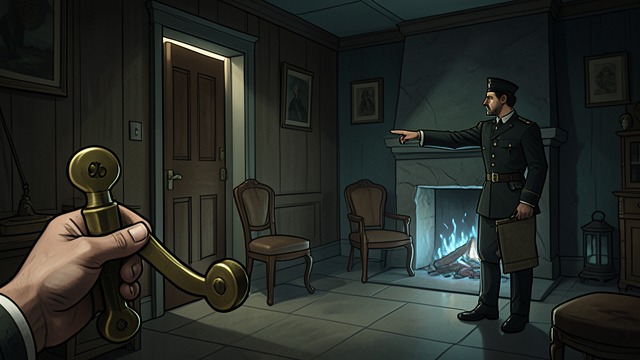
Memory Without Form
Materials accumulate
The family gathers letters, recollections, and drafts for the Life of Richard Alardyce, but cannot settle a coherent narrative. Mrs. Hilbery’s vivid memories resist the discipline of selection.
The present postponed
Katharine’s labor keeps her attached to the dead while delaying her own intellectual work. The biography’s failure becomes a question about whether devotion to the past can prevent living fully.
Katharine Sees the Young Poet

Ancestor Made Human
A changed portrait
Katharine looks at Richard Alardyce’s image and imagines him as a young, flawed, unhappy man rather than a sacred family emblem. She feels a kinship with his unrealized desires.
Inheritance reinterpreted
The dead become companions in life rather than objects requiring endless homage. This shift lets Katharine bring her own questions to the past instead of simply repeating its authority.
Living Beyond the Ancestors
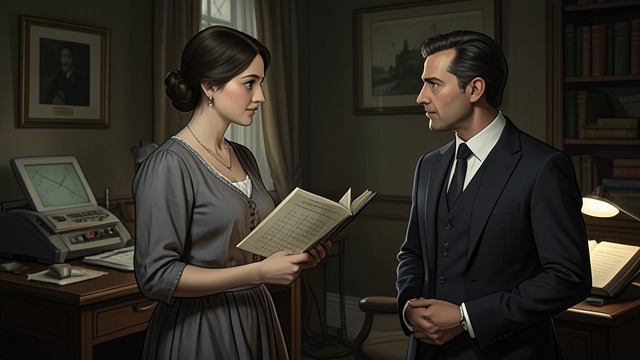
A Personal Inheritance
New work and choice
Katharine returns to mathematics and shares her private pages with Ralph, suggesting that her life need not be defined by literary ancestry. Her family history remains meaningful without dictating her vocation.
Continuity without imitation
The novel leaves the biography unfinished, but the living generation has begun to make its own choices. Inheritance becomes a source of possibility rather than a command to repeat past greatness.
early in the story
during Katharine’s childhood recollections
during the unfinished writing project
during the relic-room visit after the American guest’s departure
near the ending
