
The Becoming of Nightbitch
NightbitchTraces the protagonist's arc from a tired stay-at-home mother into a self-possessed animal-artist who claims the name Nightbitch as her own.
increasing Bearing strength in each event
 decreasing
Bearing strength in each eventdecreasingThe Naming
The Naming
Nightbitch receives her name on a Friday morning after a night of explosive sleepless rage. The Husband calls her “a bitch last night,” half in jest, and she answers without pause: “Night bitch. I am Nightbitch.” The name feels both like a joke and like a discovery, a word that has been waiting in the dark of her exhaustion.
Consequences
The naming changes how she sees herself. She had thought of herself as a good sport, a mother who could laugh at her own irritability, but the word opens a door. That same week she finds a patch of coarse black hair at the base of her neck, feels her canines sharper in her mouth, and begins to suspect that the joke has become biological.
Significance
The name is an act of self-authorship before the transformation is complete. It gives her a handle for the fury and hunger that motherhood has been pressing down, and it will become the title of her final public performance. The naming is not the beginning of the animal; it is the moment she agrees to look at the animal directly.
Symptoms and Dismissal

Symptoms and Dismissal
Nightbitch tracks her changing body with obsessive searches: the hair on her neck, the point of her canines, a tender swelling at the base of her spine that she eventually lances with an X-Acto knife. She tells The Husband she is turning into a dog. He laughs, tests her tooth with a finger, says she always thinks something is wrong with her.
Consequences
His dismissal pushes her into secrecy. Unable to persuade him that anything is real, she begins to doubt herself, then to search the library for evidence. The medical text fails her, but A Field Guide to Magical Women does not. The discovery of Wanda White’s book gives her a language for what she is becoming and a companion for her solitude.
Significance
The gap between her embodied experience and her husband’s rational worldview becomes the central conflict of the book. Every symptom she names is met with a reasonable explanation, and every reasonable explanation makes her feel more isolated. The lancing of the tail is her first act of self-surgery, a refusal to wait for permission to know her own flesh.
The Night of the Dogs
The Night of the Dogs
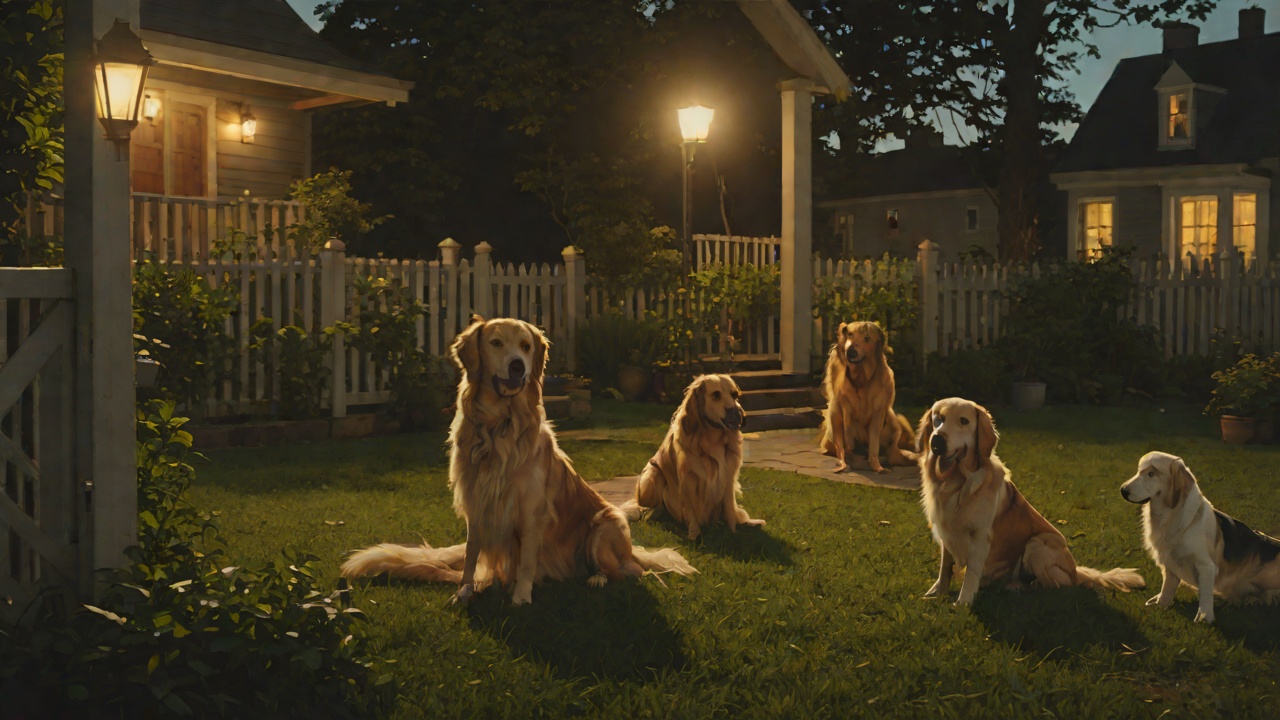
After a strange afternoon in which a golden retriever, a collie, and a basset hound appear in her yard and seem to speak to her, Nightbitch wakes to a pack of dogs surrounding her house. She walks out in a trance, and the dogs tear her clothes from her body. For a moment she is afraid; then she surrenders to pure animal instinct.
Consequences
The transformation is total and exhilarating. She wakes the next morning with her clothes intact, her body covered in fur she will soon shed, and a pile of dead animals on the porch as an offering. The fear she expected never arrives. Instead she feels a power she has not known since before motherhood, a power that will carry her through the rest of the book.
Significance
The Night of the Dogs is the book’s central rupture. It moves the story from magical realist symptom to full mythic event, and it establishes that Nightbitch’s transformation is not a disease but an inheritance. The dogs are both real and symbolic, emissaries of a female world that has been waiting for her to answer its call.
The First Kill
The First Kill
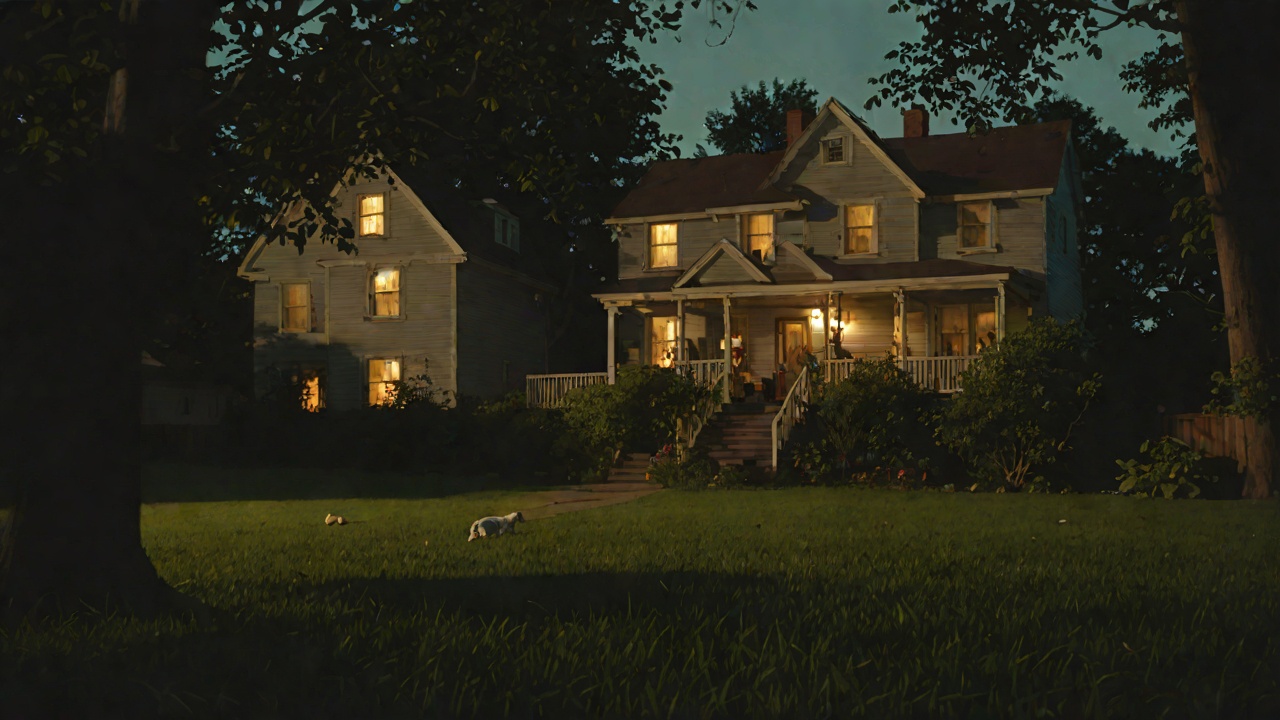
Nightbitch slips out of the house as a creature of the night. She moves through backyards, shits on a neighbor’s lawn, and finally catches a rabbit in her teeth, shaking it until its skull gives. She buries the animal in the yard, then sleeps in the grass, naked and satisfied.
Consequences
For the first time, her rage is discharged through the body rather than suppressed in thought. She wakes washed in dew and certain that she has been right about everything. The kill gives her a template for how she will later handle the cat, the restaurant outburst, and the final performance.
Significance
The first kill is a threshold. She does not merely turn into a dog; she becomes a predator, and she discovers that violence can be a form of clarity. The novel refuses to sentimentalize this, treating the kill as both ecstatic and troubling, necessary and dangerous.
The Stage Animal
The Stage Animal
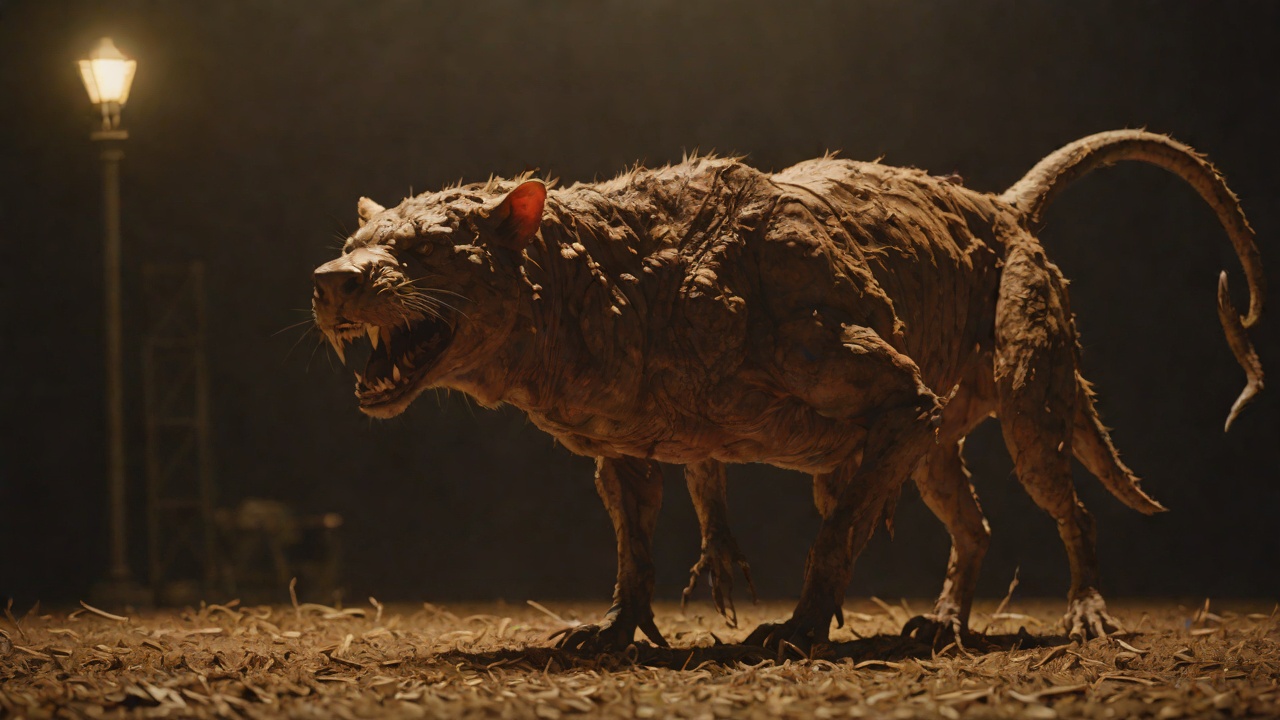
Nightbitch appears on a theater stage as a feral creature, moving on all fours, snarling, eating a raw steak, and eventually catching bunnies in her jaws. The audience is drugged or hypnotized or simply enchanted; no one can agree. She is accompanied by her son, to whom she gives the limp body of a rabbit.
Consequences
The performance makes her famous. Wanda White’s book goes back into print, Jen becomes her publicist, and critics debate whether the show is art or abuse. Nightbitch explains that the work is about the brutality of motherhood, the violence of birth, and the power that women are taught to hide.
Significance
The stage is the destination of every thread in the novel. What began as a private madness becomes public speech; what began as a joke about being a bitch becomes a mythology. Nightbitch no longer needs to hide because she has made her transformation into a form the world can witness.
after the night of the shattered lamp, early summer
in the weeks after the naming, before the dog pack appears
late summer, after the daytime visit of the three dogs
the night after The Husband arrives home and sees the wolf-like dog
the final performance, after the backyard performance for the mothers
