
The Cat's Doom
NightbitchTraces the family cat from beloved nuisance to bloody sacrifice, and the aftermath of its death in the household.
increasing Bearing strength in each event
 decreasing
Bearing strength in each eventdecreasingThe Stupid Black Cat
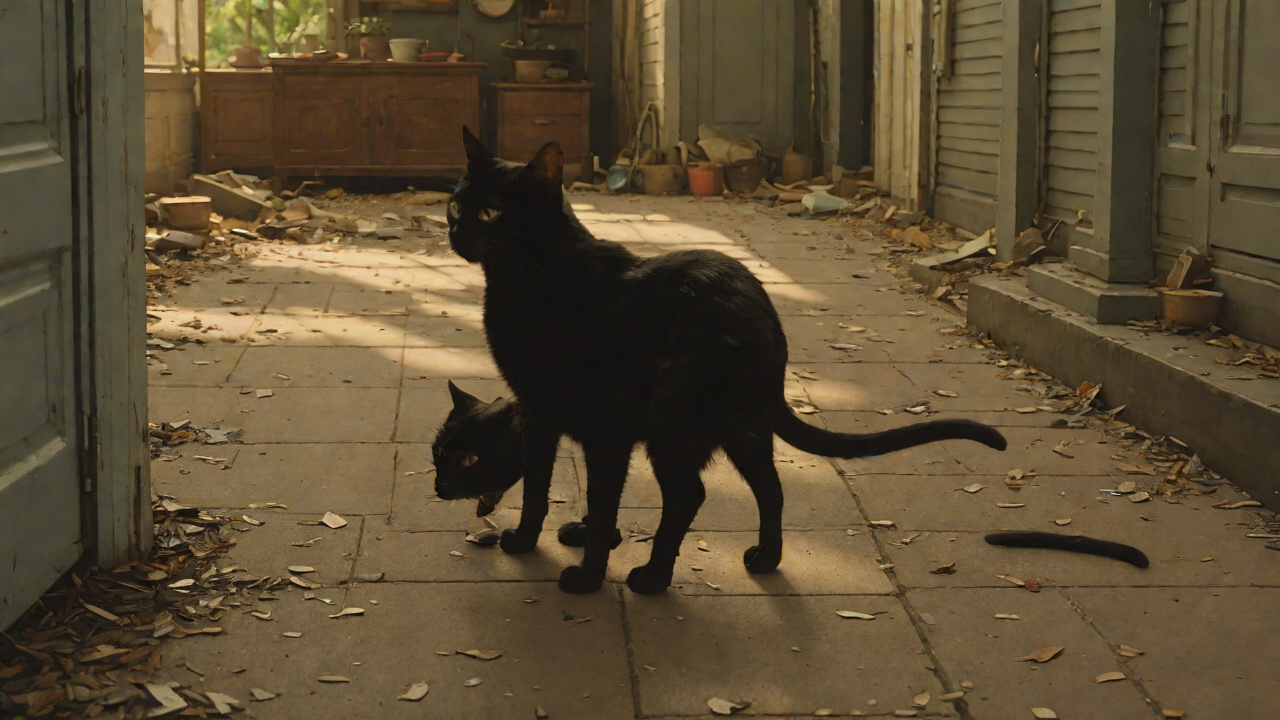
The Stupid Black Cat
The cat is beautiful, idiotic, constantly underfoot, and in need of washing because it cannot clean its own butt. Nightbitch kicks it a little, mostly by accident, and hates herself for doing so.
Consequences
The cat becomes a container for her frustration. Her husband loves the cat as a symbol of evolutionary survival, but Nightbitch sees only another needy creature demanding her attention.
Significance
The cat is the first victim of her mother-rage. It is small, dependent, and impossible to escape, and it absorbs the violence that she cannot yet direct anywhere else.
The Toxoplasmosis Theory
The Toxoplasmosis Theory
Nightbitch tells The Husband the cat may have given her toxoplasmosis, which is linked to explosive rage. He says she would be mad either way. She declares she hates the cat and would love to punt it like a football.
Consequences
The theory gives her a scientific-sounding excuse for her anger, but The Husband does not take it seriously. The cat’s hissing and escape under the porch end the conversation.
Significance
The exchange is a dark joke, but it plants the idea that the cat is both a cause and a symptom of her violence. The theory will be horribly fulfilled in the killing.
The Knife in the Kitchen
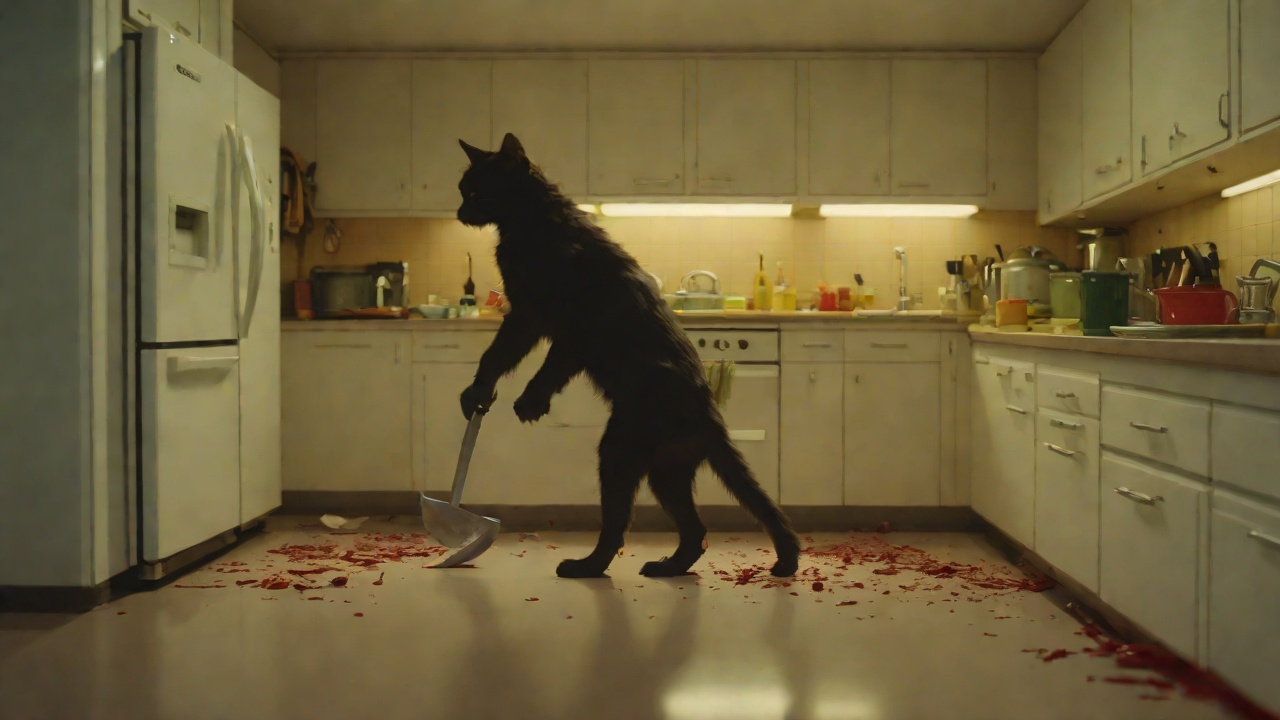
The Knife in the Kitchen
Nightbitch trips over the cat, falls hard, sees red, catches the cat by its back legs, and plunges a knife into its chest. She shakes the body until it snaps, blood everywhere, while her son watches from the doorway.
Consequences
The kill is ecstatic and horrifying. Nightbitch is immediately plunged into terror, convinced she is out of control and might harm her son. The boy, however, seems fascinated rather than traumatized.
Significance
The cat murder is the nadir of the violence plot. It shows that the animal transformation can become murderous, and it forces Nightbitch to confront the limits of her pursuit of freedom.
The Burial
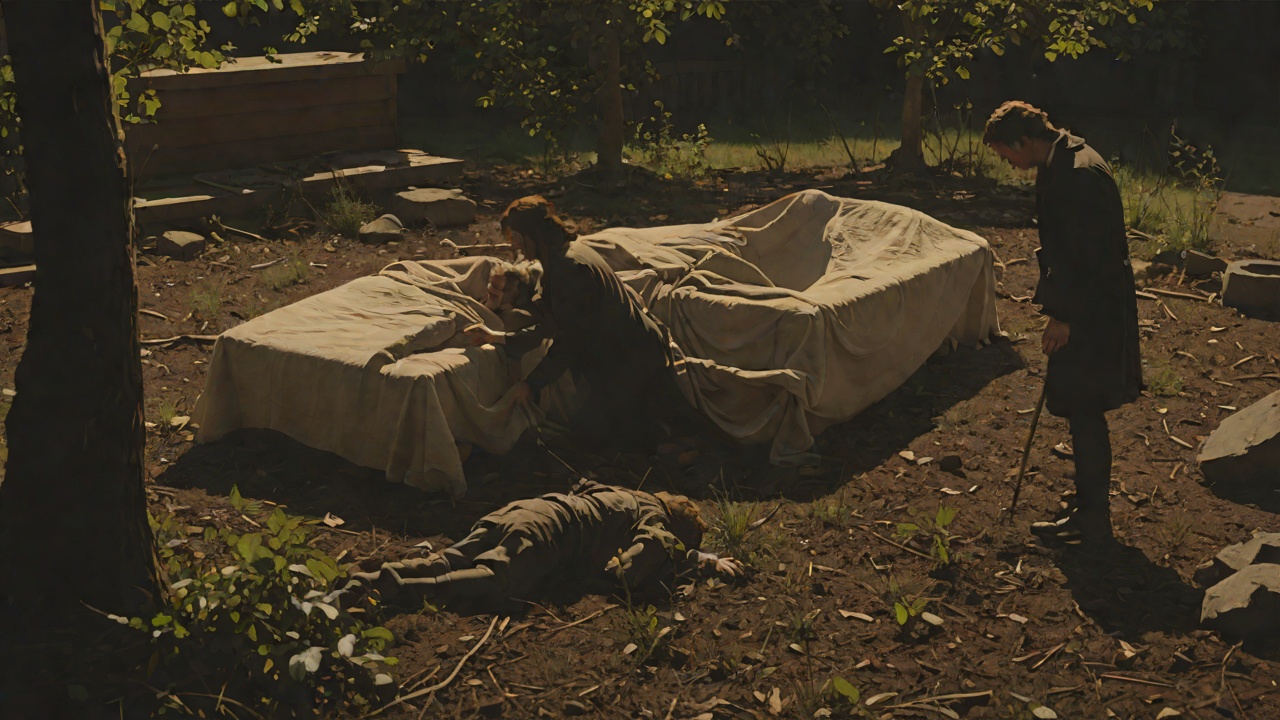
The Burial
Nightbitch and her son dig a grave in the backyard. It becomes a play, a delight. She wraps the cat in an old baby blanket, the boy places a can of food beside the body, and they say gentle goodbyes.
Consequences
The burial transforms the murder into a ritual. The boy’s participation normalizes the event, and Nightbitch is momentarily comforted by the shared labor of grief.
Significance
The burial is the first of Nightbitch’s many performances. It is a private ceremony that turns violence into meaning, and it anticipates the stage show in which death and motherhood are fused.
The Cat's Absence
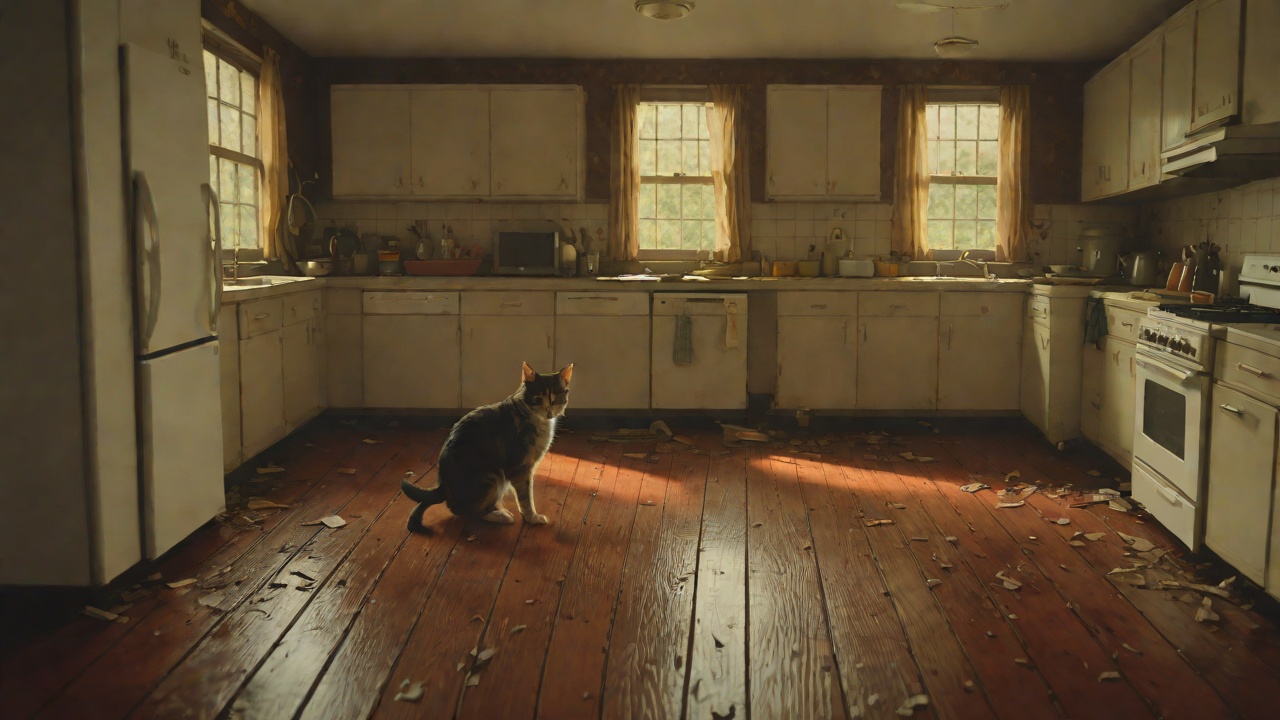
The Cat's Absence
The cat is gone, but its memory lingers in the bloodstained kitchen floor and in the lie Nightbitch tells The Husband. She confesses a version of the accident to Jen at the herb party, and the other mothers respond with their own stories of dead pets.
Consequences
The absence creates a strange kinship. Jen, Babs, and Poppy all admit to small violences against animals, and Nightbitch feels less alone. The confession becomes a bond.
Significance
The cat’s death serves as a rite of passage that opens Nightbitch to female solidarity. It also marks the moment she begins to channel violence into art rather than domestic accidents.
early in the book, before the transformation
a Friday arrival home, before the killing
a gray morning after the restaurant shame, while the boy watches cartoons
the same afternoon as the killing
the weeks after the killing, leading to the guest-room studio
