
Nightbitch's Ancestral Inheritance
NightbitchTraces the protagonist's rediscovery of her Appalachian and German female ancestry, from the buried past to its return in her art.
increasing Bearing strength in each event
 decreasing
Bearing strength in each eventdecreasingThe Old German Ways
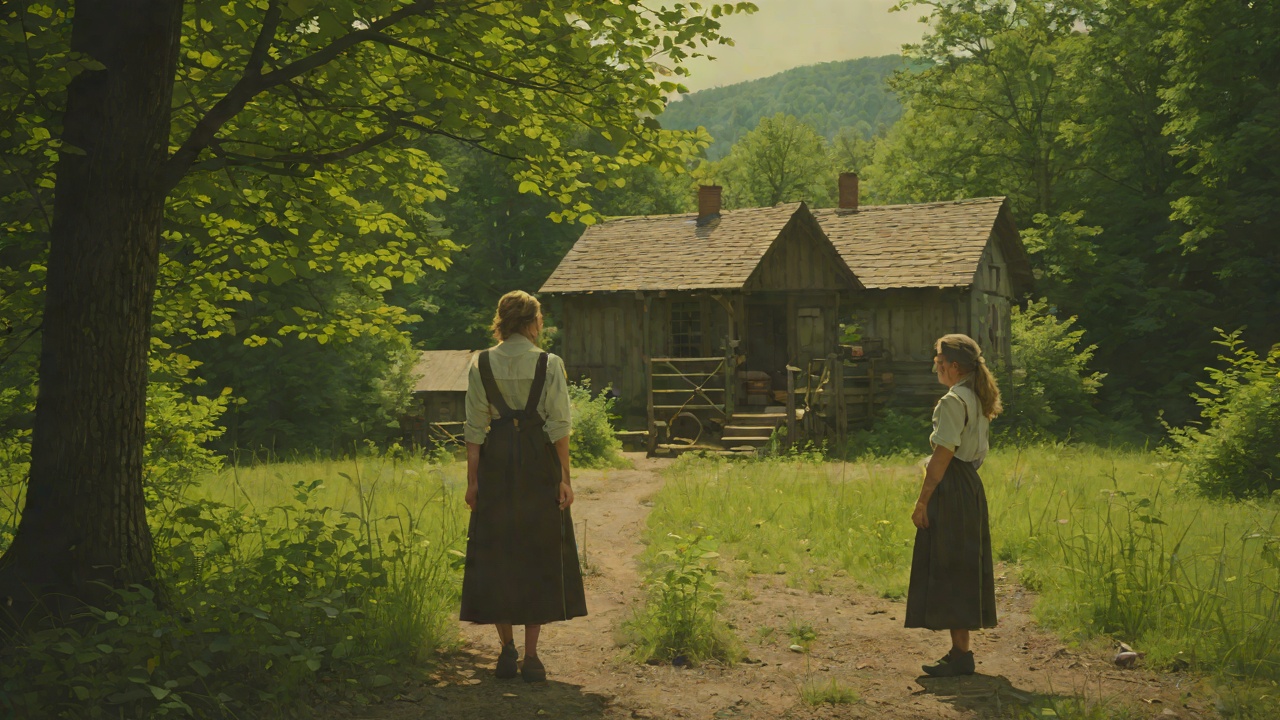
The Old German Ways
Nightbitch remembers her childhood in the Appalachian foothills: her mother’s hands always working, her father’s pacifist religion, and the everyday violence of farm life. She had deliberately forgotten this world in order to survive leaving it.
Consequences
The memory recontextualizes her transformation. She was not born into a blank modern world; she was raised among hex signs, herb gardens, and the old German ways of her grandmother.
Significance
The ancestral thread gives Nightbitch’s animality a lineage. She is not a solo freak but the heir of women who knew spells, meat lockers, and the thin line between death and nurture.
The Mother's Abandoned Voice
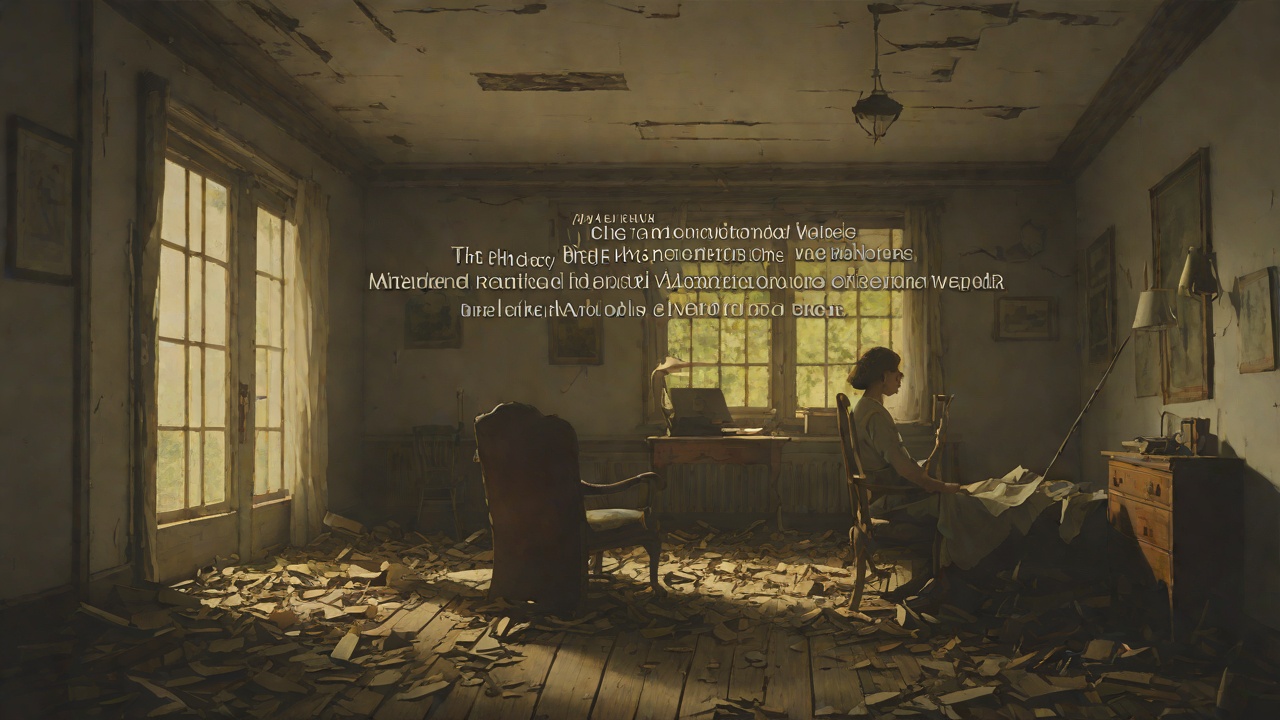
The Mother's Abandoned Voice
Nightbitch recalls that her mother had wanted to be an opera singer. A patron once offered to send her to Europe, but she hid the card in a music box and stayed to sing in church, where blending in was a virtue.
Consequences
The story becomes a key to Nightbitch’s own choices. She sees her mother’s life as a cautionary tale of women who delay greatness until time extinguishes it.
Significance
The mother’s abandoned voice haunts the book. Nightbitch’s own refusal to stay silent is an attempt to save her mother retroactively, to become the woman her mother could not be.
The Grammy's Spell
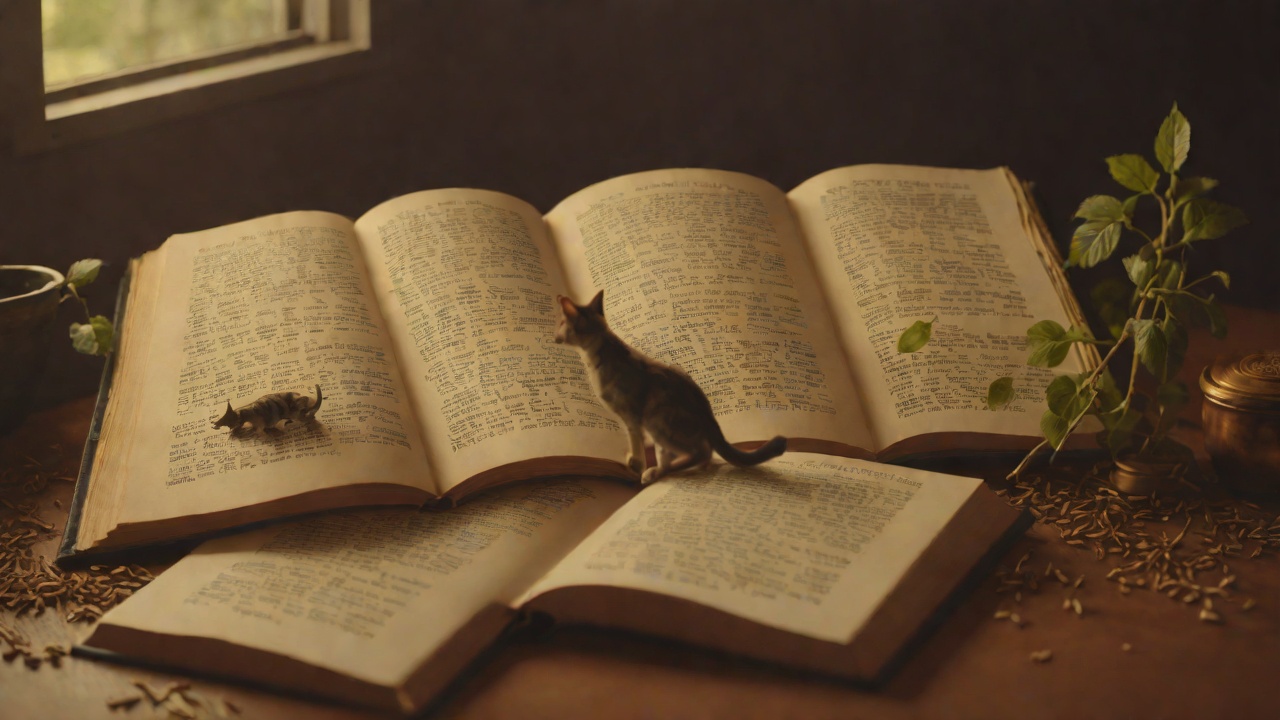
The Grammy's Spell
Nightbitch remembers asking her grandmother for a spell to protect stray kittens. Grammy pulled a hidden German book from her nightstand, brewed herbs and a rodent into a potion, and poured it under the fence. The kittens survived.
Consequences
The spell book becomes an heirloom of possibility. Nightbitch later finds an English translation and places it in her studio, connecting her performance work to a concrete line of folk magic.
Significance
The Grammy spell is proof that women’s magic is real, practical, and inherited. It gives Nightbitch permission to treat her own transformation as a craft she can learn and practice.
The Artist as Ancestral Heir
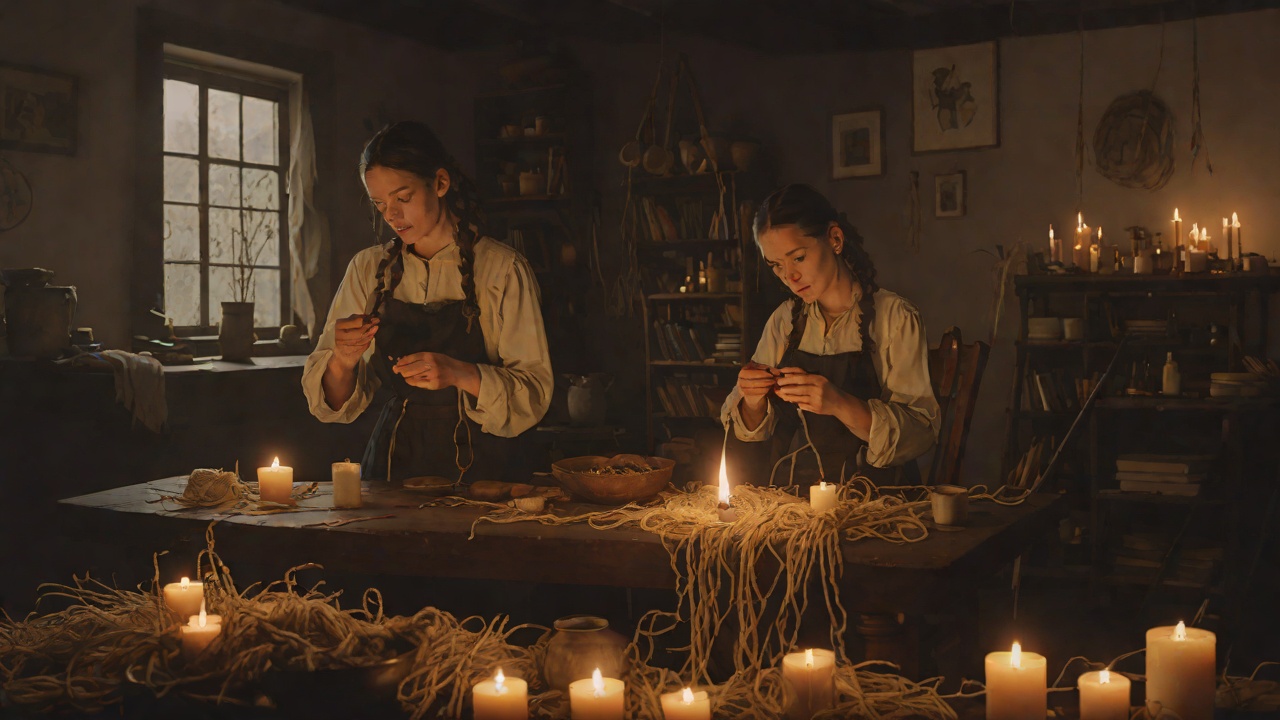
The Artist as Ancestral Heir
Nightbitch fills her studio with the skills of her upbringing: spinning wool, dipping candles, tracking animals, making braids and bread. These crafts return as materials for her art, fused with the gold-plated bones of her MFA years.
Consequences
The studio becomes a bridge between the Appalachian past and the contemporary performance present. She is no longer ashamed of her homesteader origin; she wields it as expertise.
Significance
The ancestral inheritance completes her identity. She is not just a mother or an artist or a dog; she is the latest iteration of a line of women who have kept the world alive with their hands.
The Reimagined Mother
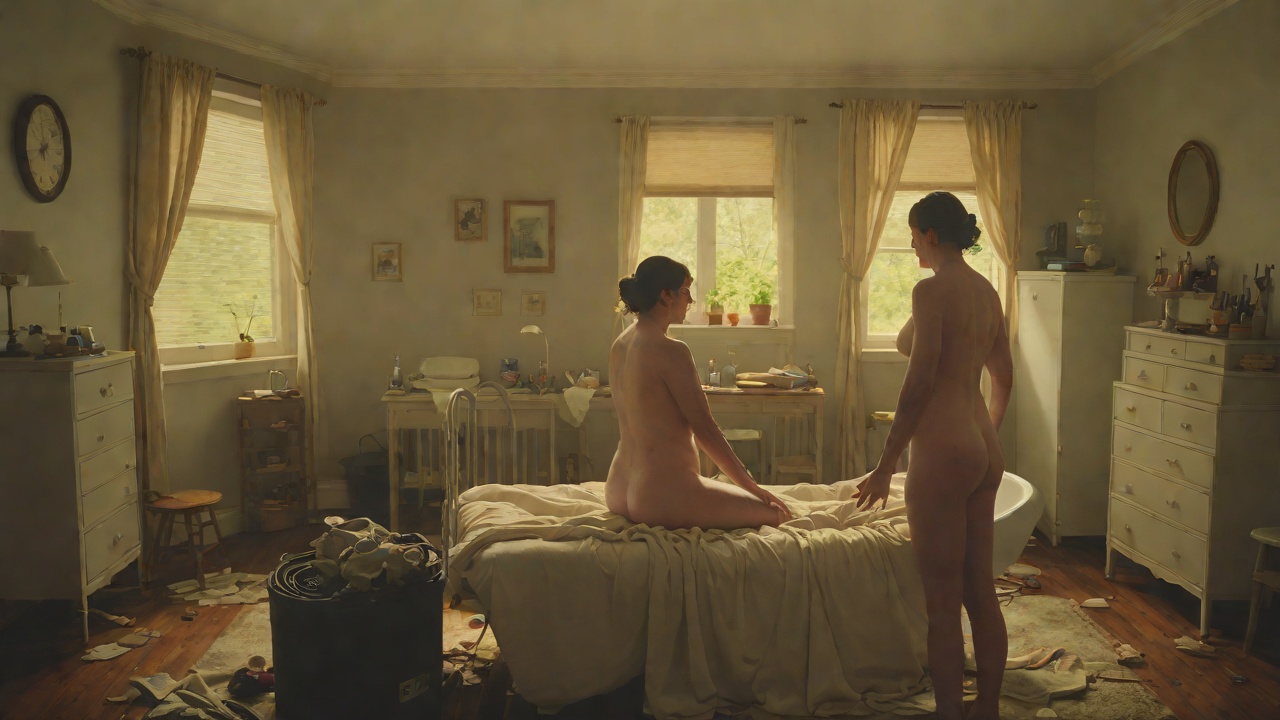
The Reimagined Mother
Nightbitch imagines one day nursing her parents in her guest room, bathing her mother’s back, sudsing her father’s thin hair. What once felt like abandonment she now reads as her mother’s best love.
Consequences
This reimagining heals the wound. She sees that her mother pushed her out the door to survive, the same way Nightbitch has pushed herself toward transformation. The future care becomes an honor rather than a burden.
Significance
The ancestral thread resolves in an ethic of mutual care. The novel ends with a vision of animal togetherness: we keep each other alive through an unbroken lineage of warmth.
in the cat-kill aftermath, as memory returns
same memory sequence, during the cat-kill aftermath
the same memory sequence, as a flashback within the flashback
the guest-room studio period, after the cat's death
the final section, as Nightbitch imagines caring for her aging parents
