
The Battle Between Work and Motherhood
NightbitchTraces the structural conflict between paid creative work and stay-at-home mothering, resolved only through the fusion of art and life.
increasing Bearing strength in each event
 decreasing
Bearing strength in each eventdecreasingThe Working-Mother Myth
The Working-Mother Myth
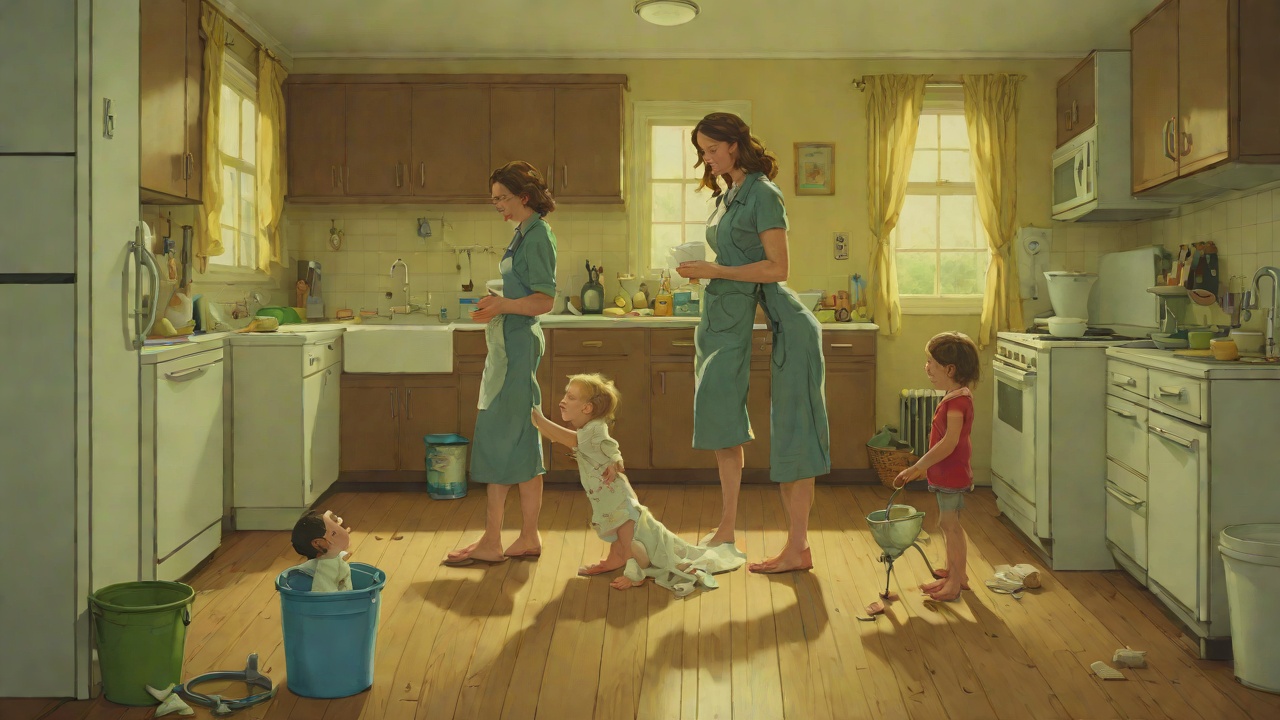
Nightbitch once held her dream job while pumping milk in a closet and leaving her infant on day-care linoleum. She called “working mother” a nonsense phrase: who is not a working mother? The contradiction ate her alive.
Consequences
She quit because the schedule was impossible, not because she stopped loving art. The decision was structurally forced, and she will spend the rest of the book trying to undo its shame.
Significance
The conflict is foundational. The novel insists that the choice between career and child is a false one, manufactured by a culture that devalues women’s work.
The Invisible Labor
The Invisible Labor
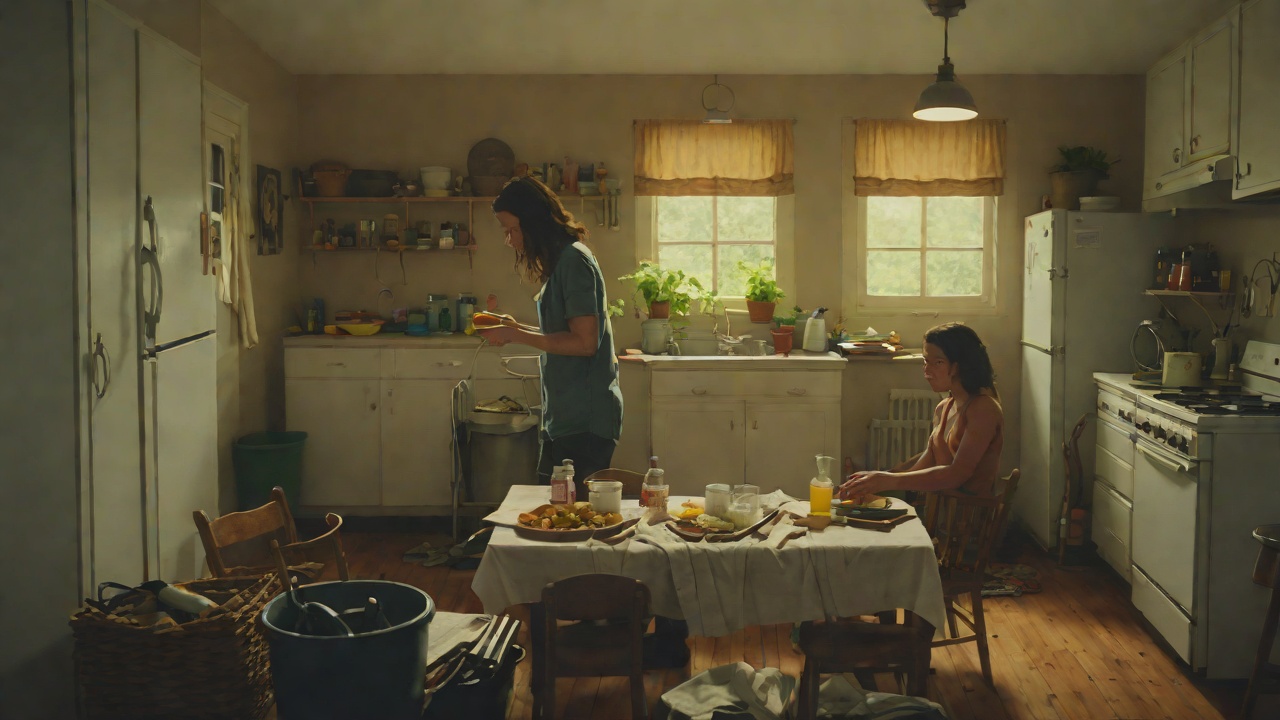
At home, Nightbitch performs a second shift that no one sees: meals, laundry, bedtime, schedule, emotional regulation. She begins to believe that without the child she does not exist at all. Her husband’s work is visible and paid; hers is endless and unseen.
Consequences
The invisible labor creates resentment. She starts to question whether the systems of marriage and motherhood were designed to keep her in place.
Significance
The conflict sharpens into a structural critique. The novel connects her individual suffering to a larger patriarchal architecture.
The Envy of Peers
The Envy of Peers
Nightbitch watches The Working Mother and The Videographer talk about residencies and half-million-dollar sales. She is reduced to a spectator in her own life, chewing kale while they narrate their success.
Consequences
The dinner triggers the restaurant outburst. Her rage at the structural trap becomes literal barks and stolen burgers, a violent refusal to keep performing polite failure.
Significance
The conflict between work and motherhood is now embodied in her friendships. The envy reveals how much she still wants the career that the culture told her she could have alongside everything else.
The Artful Compromise
The Artful Compromise
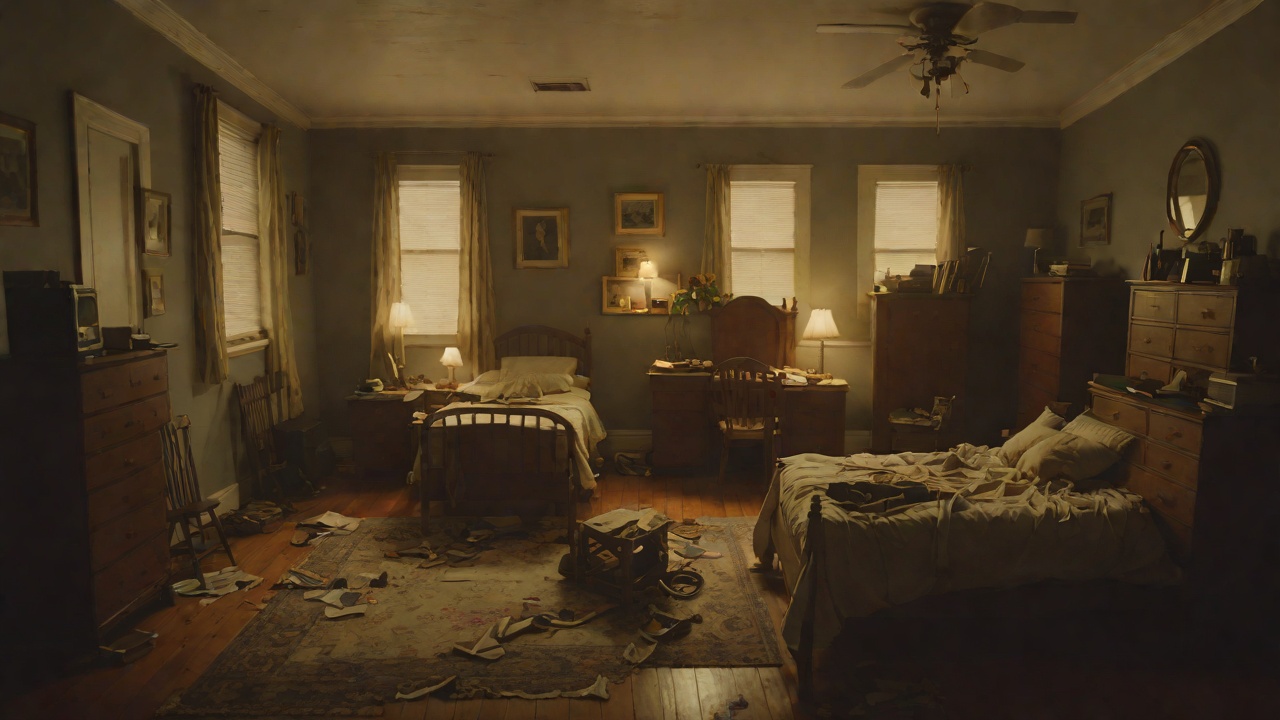
Nightbitch reclaims the guest room as a studio and the night as a rehearsal space. She does not give up mothering to make art; she folds art into the hours that already belong to her, building bone sculptures and practicing animal movement.
Consequences
The compromise is not tidy. She is exhausted, and the cat dies in the same period. But she is making again, and the making changes her relationship to motherhood.
Significance
The conflict begins to dissolve. Instead of choosing between artist and mother, she becomes an artist whose medium is her own maternal animality.
The Unity of Work and Life
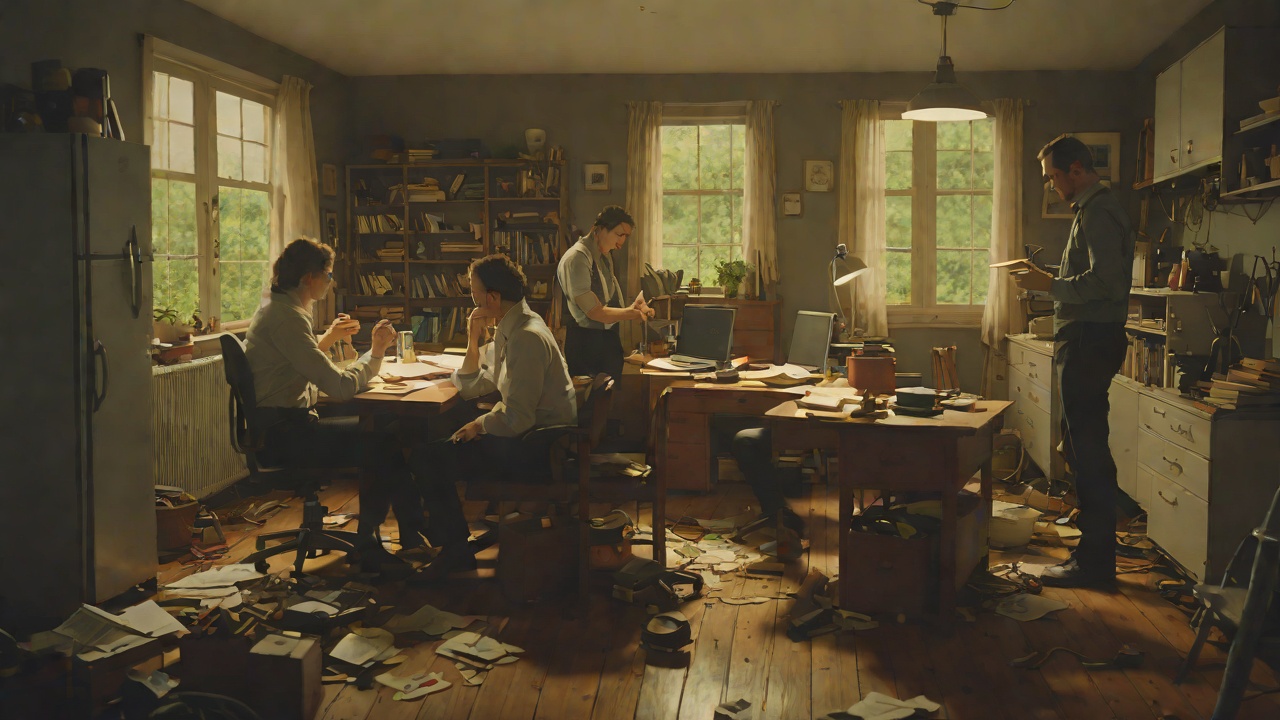
The Unity of Work and Life
When The Husband asks about “the work,” Nightbitch replies, “The work is the life. There isn’t a distinction.” The final performance embodies this unity: mothering, animality, craft, and autobiography in a single show.
Consequences
The old binary disappears. She is no longer working versus mothering; she is living the work and working the life. The show is both her job and her family ritual.
Significance
The conflict is resolved not by balancing but by fusion. The novel argues that meaningful art cannot be compartmentalized, and meaningful mothering is already a form of creation.
flashback to the gallery years and the day-care period
the stay-at-home months before the transformation
the lunch and dinner with grad-school friends
the guest-room studio and nocturnal rehearsals
the final performance and its public statement
