
The Escalation of Violence
NightbitchTraces the thread of rage from smashed lamps to slaughtered animals to the ritual brutality of the final performance.
increasing Bearing strength in each event
 decreasing
Bearing strength in each eventdecreasingThe Shattered Lamp
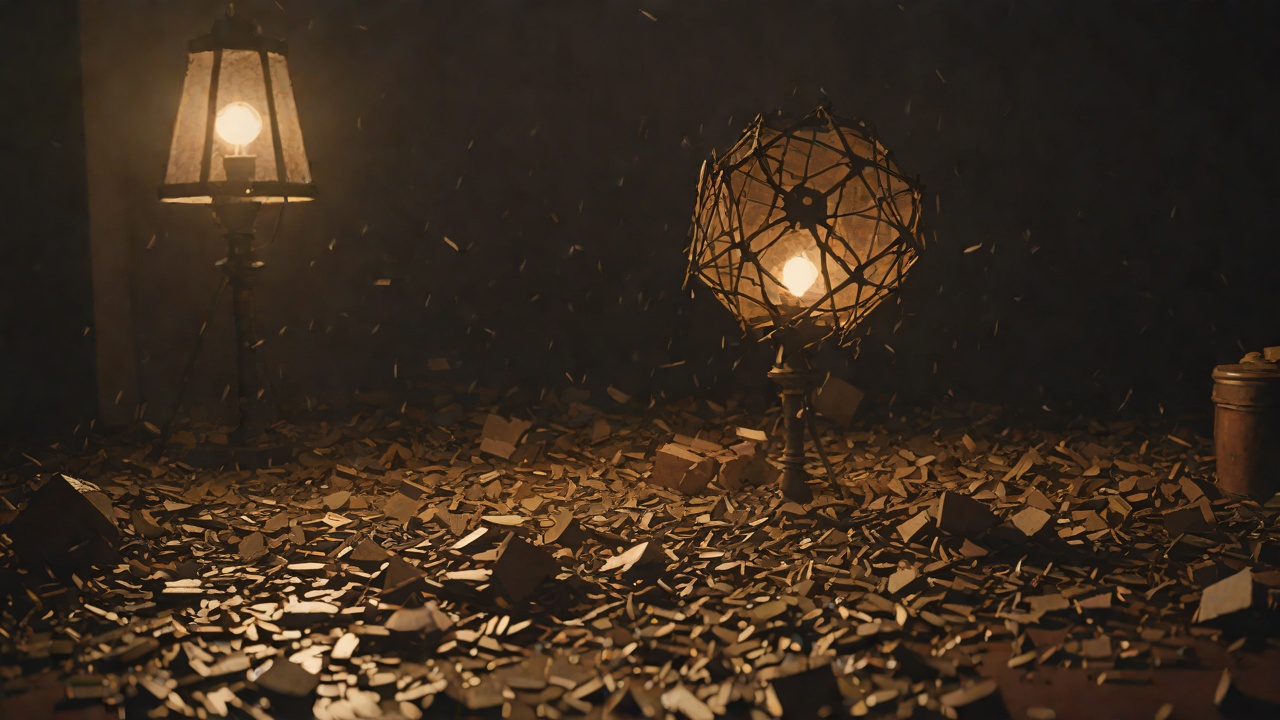
The Shattered Lamp
Nightbitch knocks a lamp to the floor, cuts her feet on glass, and howls at her family. The violence is still domestic and contained, a mother’s body breaking things instead of people.
Consequences
The shattered lamp is her first physical expression of rage. She feels shame and also terror at the strength of the emotion.
Significance
The novel establishes violence as a language the mother has been forbidden to speak. The lamp is the first word.
The Rabbit's Neck
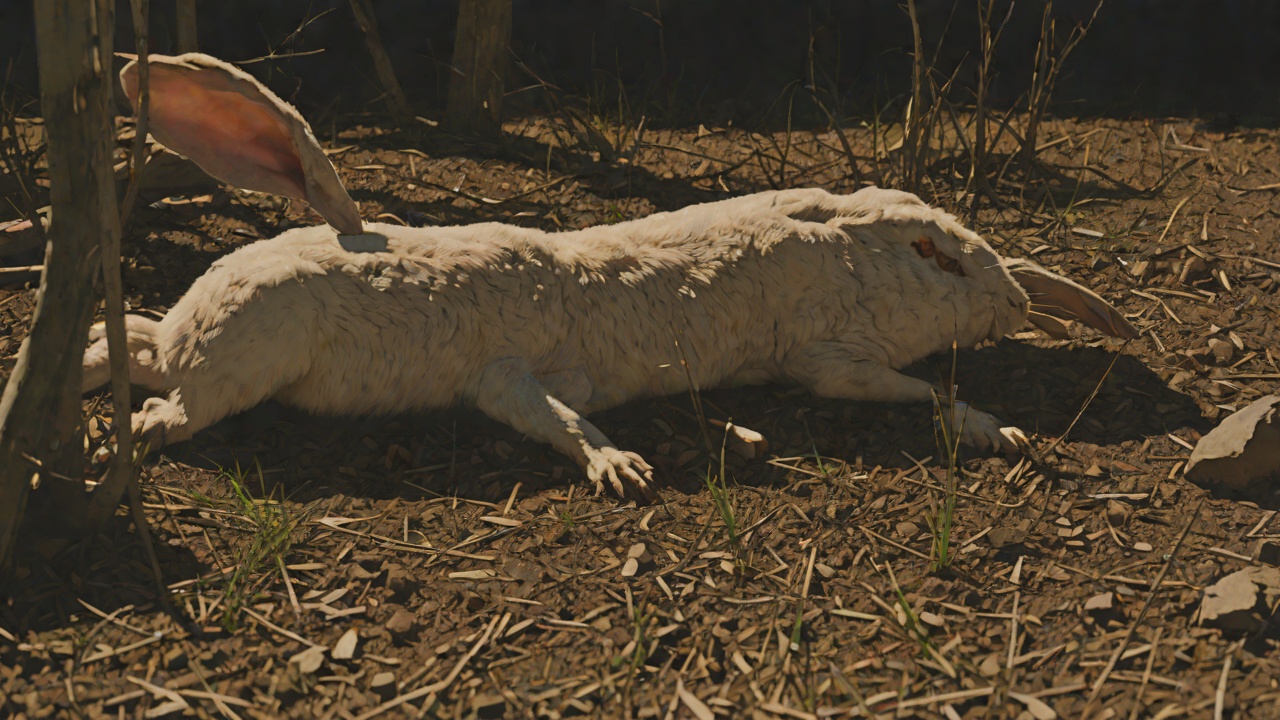
The Rabbit's Neck
Nightbitch catches a rabbit, shakes it, crushes its skull, and buries it. The kill is ecstatic, a release of everything she has been storing. She sleeps in the grass, fulfilled.
Consequences
The first kill is thrilling and disturbing. It introduces the pattern that will repeat: rage, animal, blood, sleep. She begins to believe violence is what she needed.
Significance
The rabbit’s death marks the shift from accidental violence to intentional killing. It is the point of no return on the violence escalation.
The Creek Rampage

The Creek Rampage
After her public humiliation, Nightbitch crashes through the woods, kills a raccoon and three small animals, and howls at the sky. The violence is almost involuntary, a purge of shame and envy.
Consequences
The rampage does not heal her; it exhausts her. She returns home crying and showers off the evidence, but the pattern of kill-as-therapy is now established.
Significance
The rampage connects the social violence of the art world to the biological violence of the animal. It shows that her transformation can be triggered as easily by wounded pride as by maternal rage.
The Cat's Blood
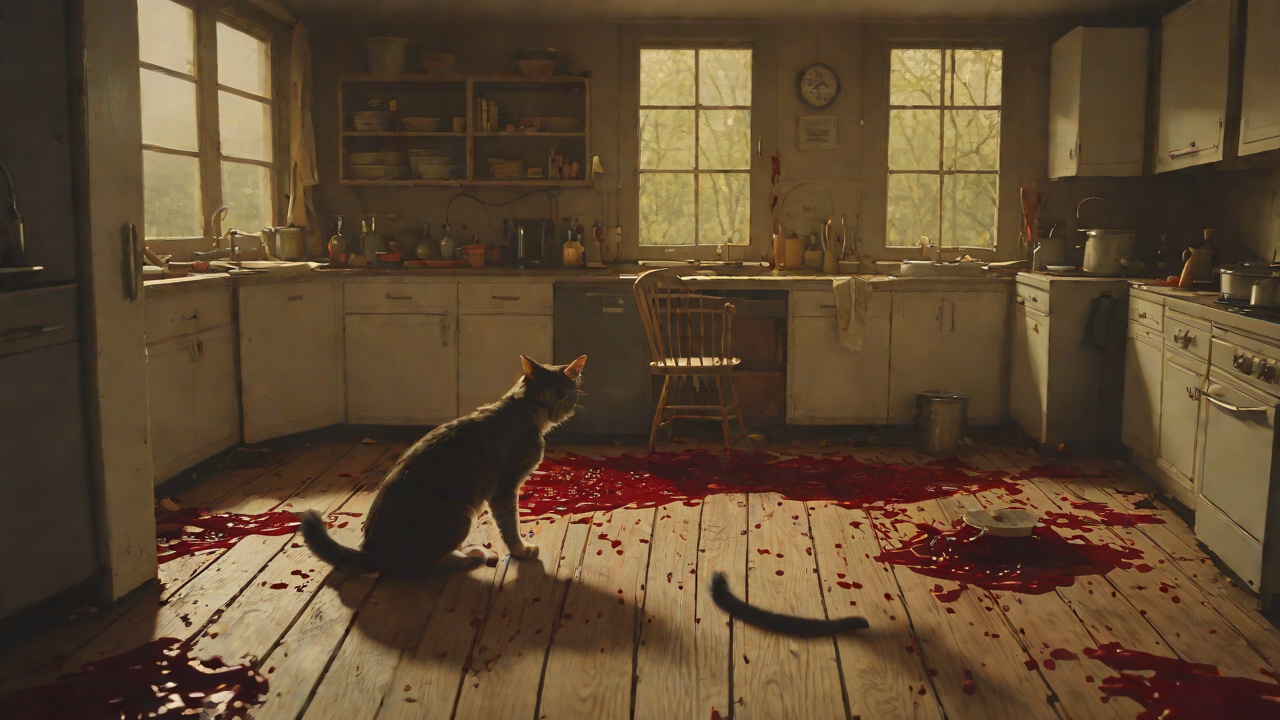
The Cat's Blood
Nightbitch kills the cat in her kitchen, in front of her son. The violence is no longer directed at wild prey but at a helpless domestic dependent. She is horrified by her own capacity.
Consequences
The cat kill is a crisis. Nightbitch resolves to get it together, but the resolution is quickly overwhelmed by the performance drive. The blood becomes part of her art.
Significance
The cat’s blood escalates the violence conflict from acceptable predator behavior to trangressive domestic murder. It forces her to confront the question of what she is willing to destroy for freedom.
The Staged Kill
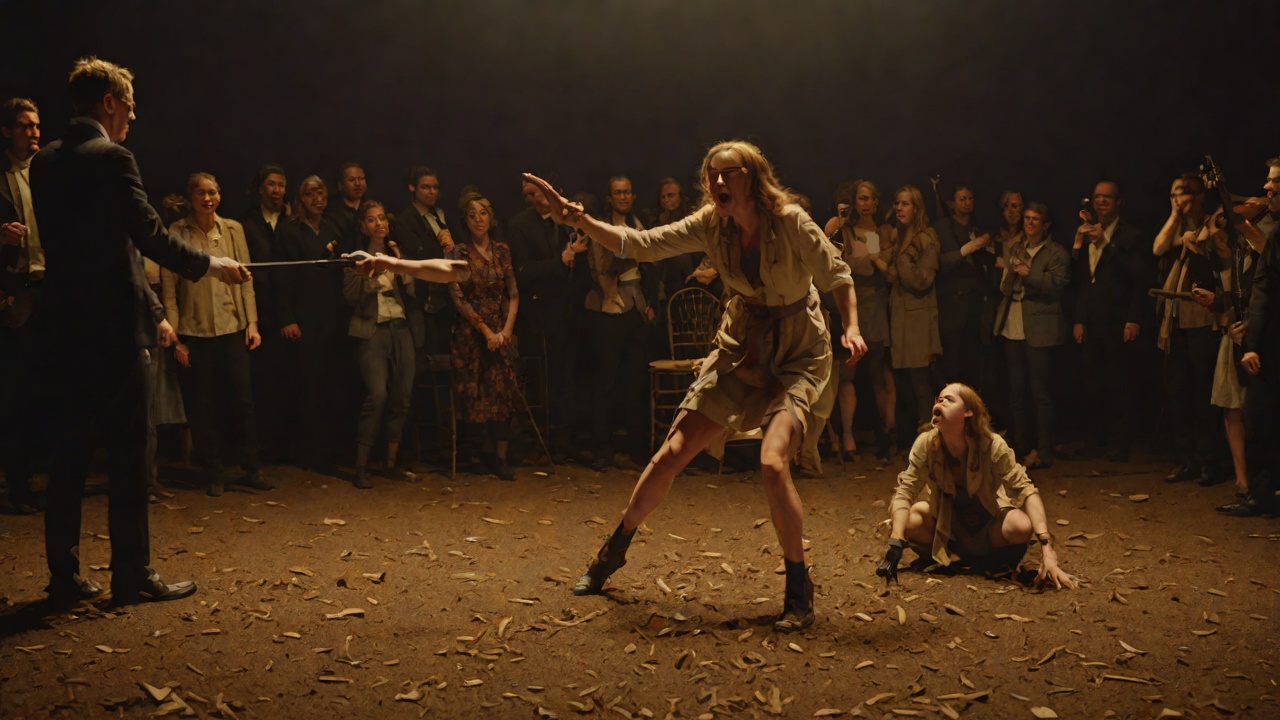
The Staged Kill
Onstage, Nightbitch catches and shakes live rabbits. The audience is both thrilled and horrified. She defends the work as a representation of the violence of birth and motherhood.
Consequences
The staged kill transforms animal violence into symbolic speech. It is still dangerous, still bloody, but it is framed as art. The escalation ends not in resolution but in aestheticization.
Significance
The conflict between rage and control is never fully resolved; it becomes ritual. The novel argues that motherhood itself is a state of permanent violence, and art is the only way to bear it.
the first terrible night, before the naming
the first night hunt
the night of the restaurant outburst
the gray morning after the shame
the final performance, during the rabbit sequence
