
Mother-Rage as Art and Power
NightbitchTraces the novel's transformation of maternal anger from destructive force into the fuel and subject of art.
increasing Bearing strength in each event
 decreasing
Bearing strength in each eventdecreasingThe Fire in the Chest
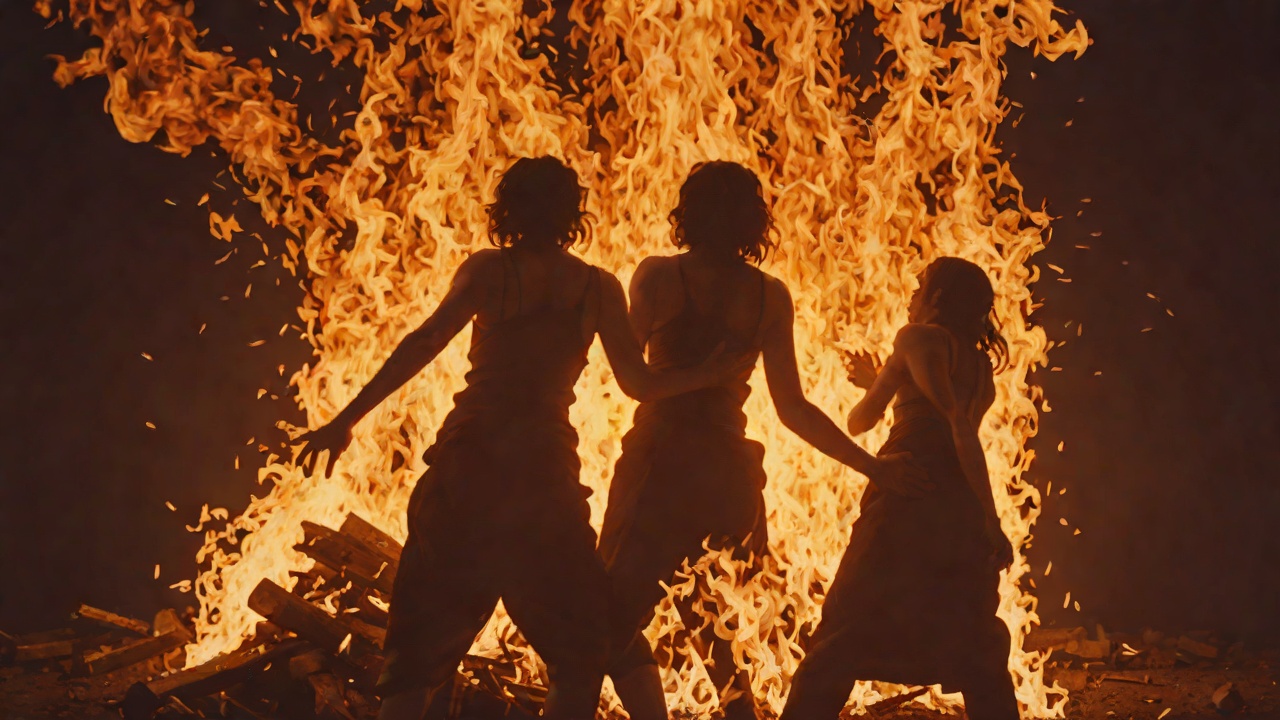
The Fire in the Chest
Nightbitch feels a white-hot flame inside her as her son screams. The rage is almost metaphysical, a fire she has tended since girlhood. It finally erupts.
Consequences
The eruption brings shame and power. She realizes the flame has been there all along, hidden beneath the performance of goodness.
Significance
The fire is the origin of Nightbitch. The novel will repeatedly describe rage as a source of clarity, energy, and creation.
The Meat She Buys
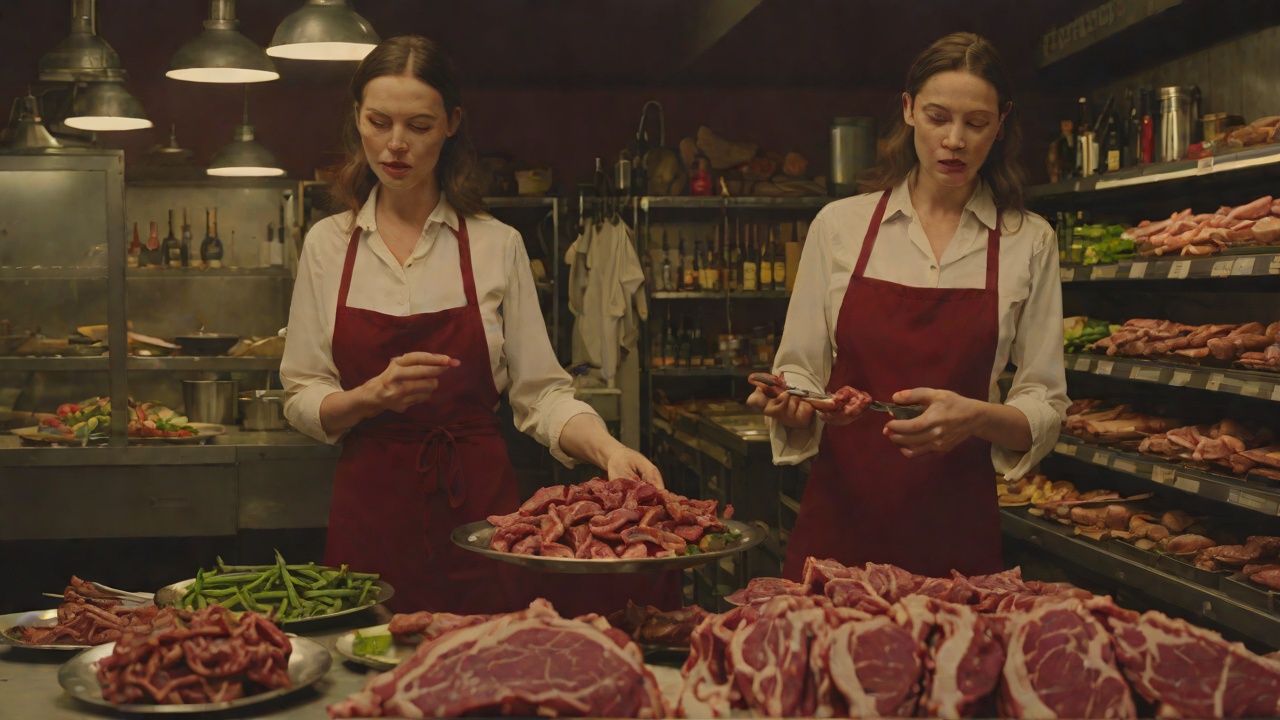
The Meat She Buys
Nightbitch finds herself buying ten pounds of red meat, sniffing blood and death with pleasure. She catches herself and tries to act civilized, but the hunger is undeniable.
Consequences
The shopping trip shows rage as appetite. Her body wants what it wants, and the grocery store becomes another arena of oppression and resistance.
Significance
The meat motif links rage to the physical senses. Anger is not an abstraction; it is a hunger that must be fed.
The Smashing Idea
The Smashing Idea
Nightbitch tells The Husband she wants to make something about moms, rage, and smashing stuff. The idea is tentative, but it is the first time she imagines rage as material.
Consequences
The idea sits dormant until the studio period. It will resurface as the performance, where smashing becomes stalking and killing onstage.
Significance
The smashing idea is the seed of the aesthetic theory: mother-rage is worthy of art.
The Rage Testimonials
The Rage Testimonials
At Jen’s party, Nightbitch and the other mothers confess small acts of violence against pets. The confessions are shameful and liberating, evidence of a collective mother-rage.
Consequences
The rage becomes communal. Nightbitch sees that she is not the only woman who has wanted to kill the thing that needs her.
Significance
The theme moves from individual to collective. Mother-rage is not a personal failing but a shared condition of motherhood.
The Aesthetic of Violence
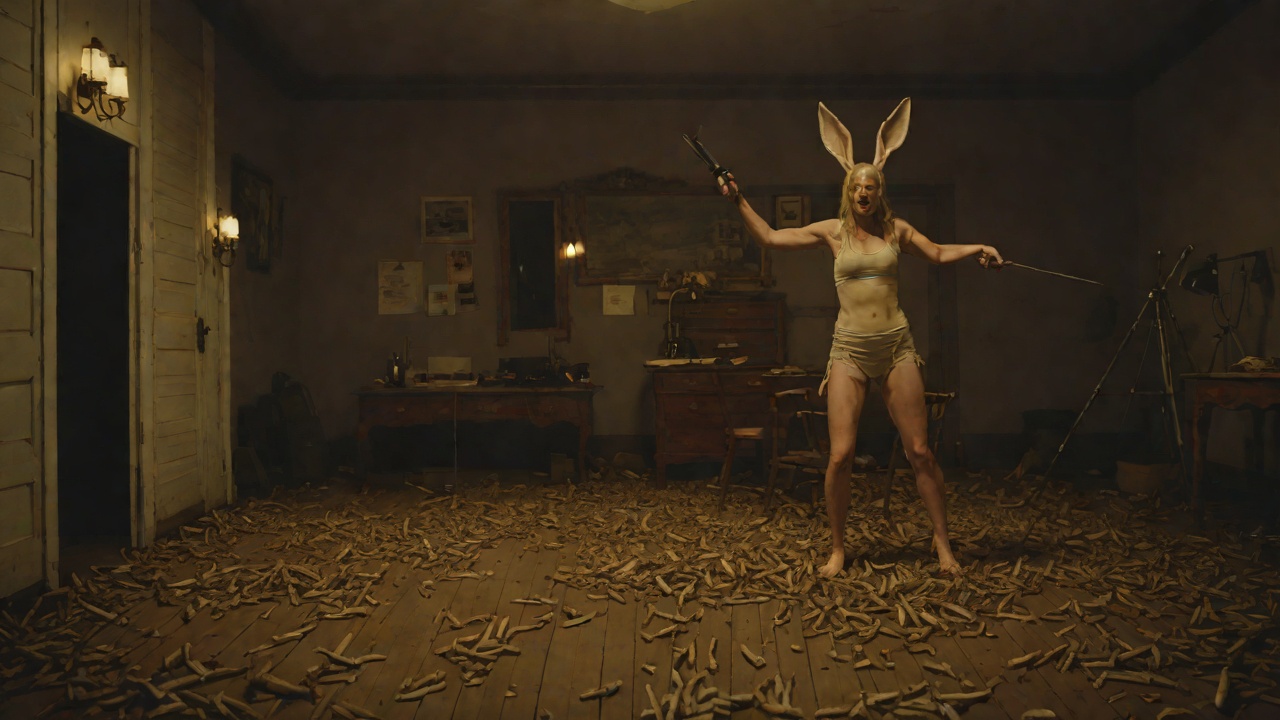
The Aesthetic of Violence
Nightbitch stages her rage in the theater, killing bunnies and stalking the audience. She explains that performance is about the brutality of birth. Critics call it art or abomination.
Consequences
The violence is now fully symbolized and publicly displayed. It is no longer a private eruption but a crafted statement about the power and pain of motherhood.
Significance
The theme resolves in an aesthetic of violence: rage, when given form, becomes a mirror held up to the culture. Mother-rage is not something to cure but to express.
the first terrible night, before the naming
the grocery store trip, before the first pack visit
the conversation with The Husband about a new art project
the herb party and the confessions of dead pets
the final performance and its critical reception
