
The Fusion of Art, Work, and Life
NightbitchTraces the novel's argument that art is not separate from mothering or domestic life but is the very medium of a woman's existence.
increasing Bearing strength in each event
 decreasing
Bearing strength in each eventdecreasingThe Artist's Death
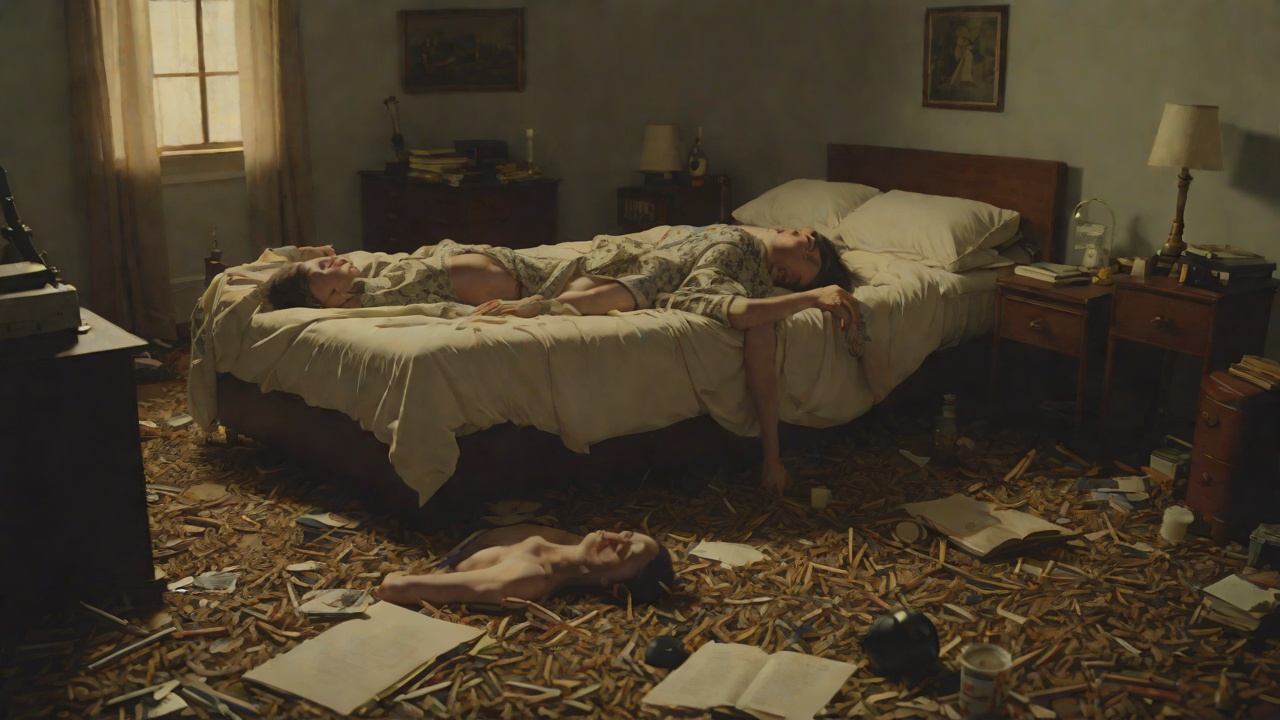
The Artist's Death
Nightbitch stops making art and believes she has become only a mother. She reads about performance artists and fantasizes about staging her own life, then loses the thread.
Consequences
The death of the artist is a kind of suicide. She begins to hate herself for no longer thinking original thoughts.
Significance
The theme establishes the cost: when art is split from life, life begins to feel like death.
The Art of Mothering
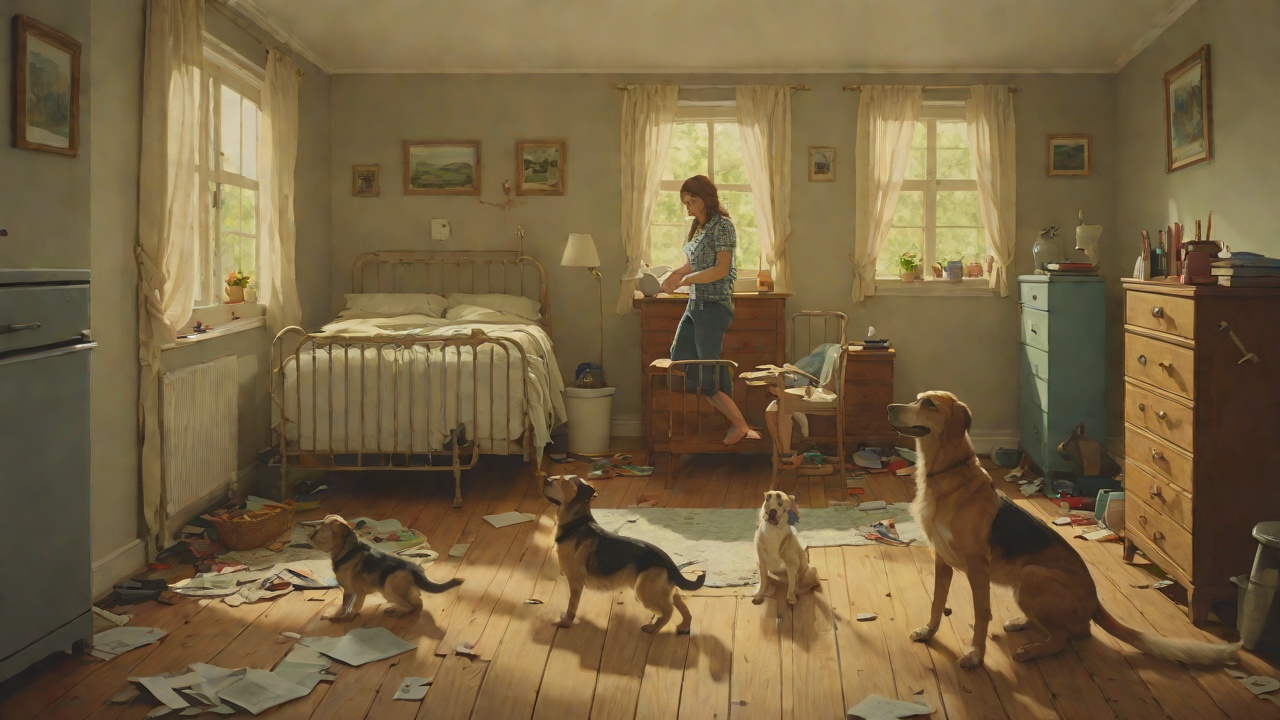
The Art of Mothering
Nightbitch starts to treat mothering as a creative practice: inventing doggy rules, designing the kennel, choreographing playful violence. The line between childcare and art blurs.
Consequences
The mothering improves because she treats it as making, not suffering. The boy responds with joy and independence.
Significance
The theme argues that mothering can be an art form, but only if the mother is allowed to improvise.
The Studio Bedroom
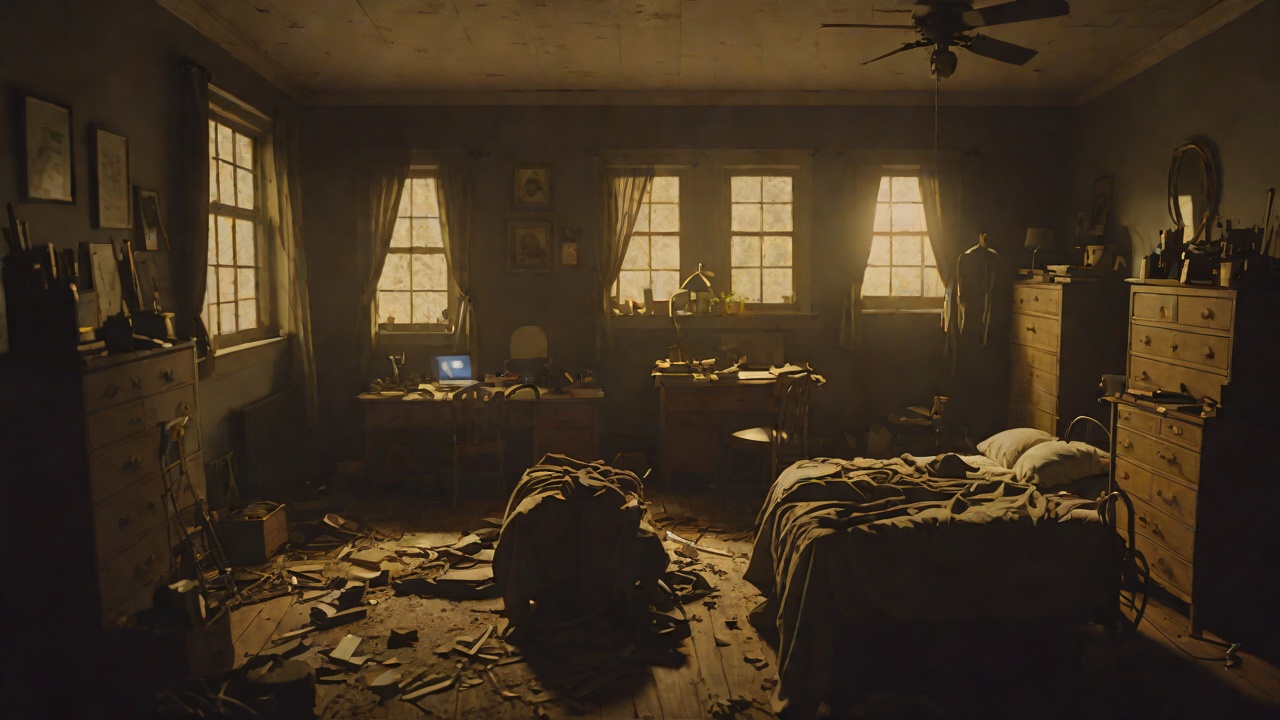
The Studio Bedroom
The guest room becomes a studio where Nightbitch sews, bones, writes, and rehearses. She calls the space her work and forbids her son to enter. The room is a womb for the art-life fusion.
Consequences
The studio gives her a physical territory where art and life overlap. Her nightly walks are both mothering and rehearsal.
Significance
The theme requires a room of one’s own; the guest room is the material condition for the fusion.
The Dinner Riddle
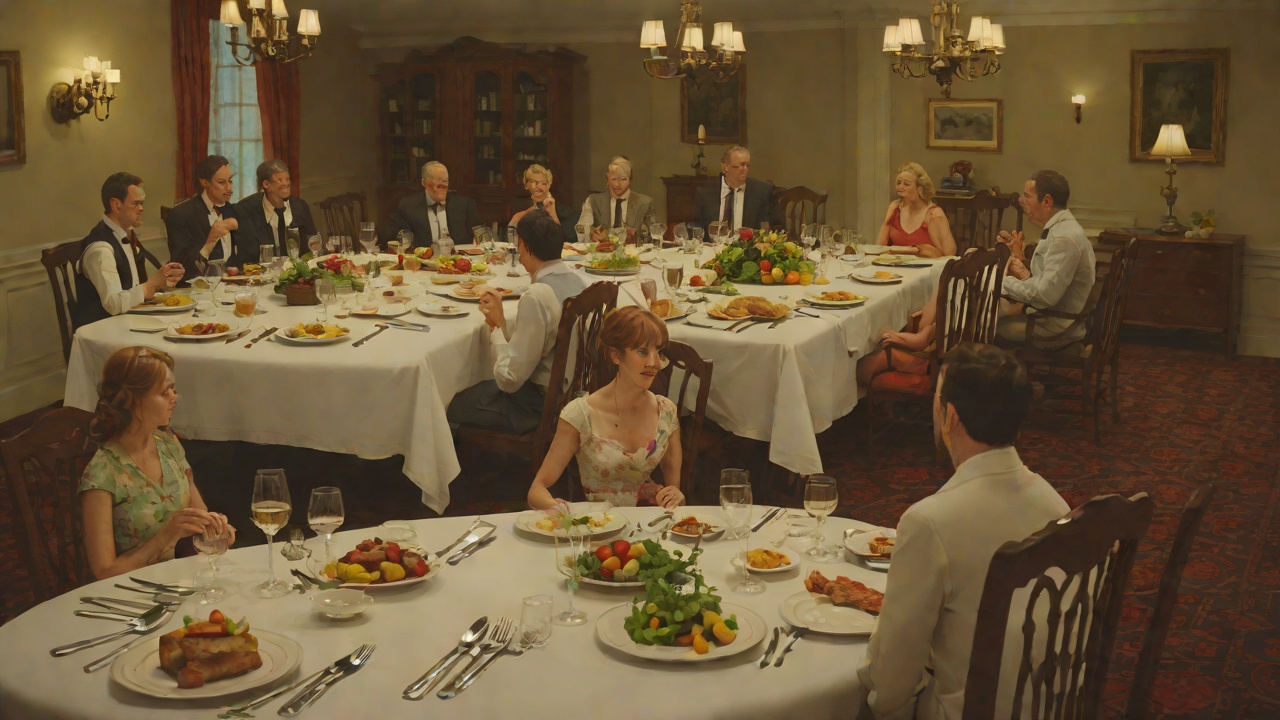
The Dinner Riddle
When The Husband asks how the work is going, Nightbitch replies, “The work is the life. There isn’t a distinction.” She refuses to explain further.
Consequences
Her refusal to explain keeps the mystery intact. She has become a cult leader of her own life, speaking in riddles because the fusion cannot be stated plainly.
Significance
The aphorism is the thematic core: art, mothering, and living have become one continuous act of creation.
The Stage and the Home
The Stage and the Home
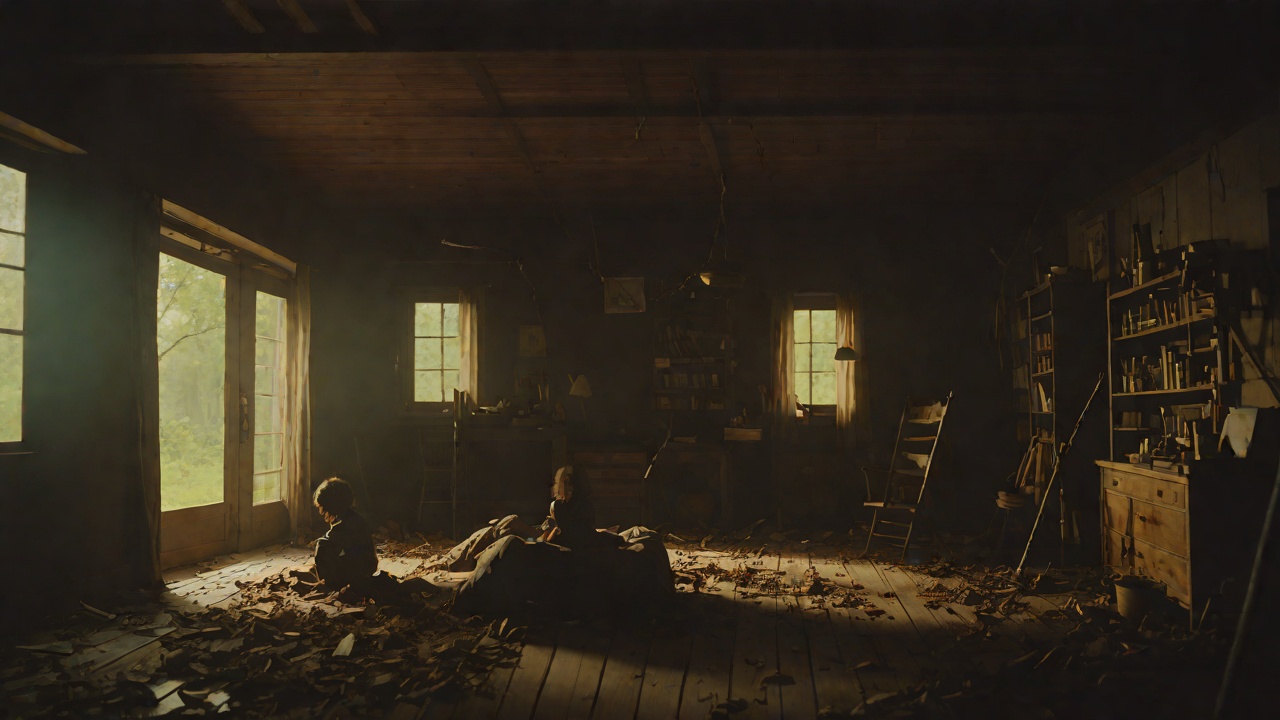
The final performance includes her son, her craft, her violence, and her body. The stage is not another world; it is the living-room floor amplified. The audience is the pack.
Consequences
Nightbitch no longer has to choose between being an artist and being a mother because the work is simply the totality of her life. The show is both her greatest artwork and her most honest act of mothering.
Significance
The theme concludes in the fusion of stage and home. Art is not an escape from life but the place where life finally becomes legible.
the first year of stay-at-home motherhood
the shared doggy games and the invention of the kennel
the guest-room studio period
the phone call in which Nightbitch says the work is the life
the final performance, when the stage becomes an extension of the home
