
The Meaning of Consent
Nine Perfect StrangersThis flow examines how the novel contrasts voluntary self-change with Masha’s escalating belief that good intentions authorize coercion.
increasing Bearing strength in each event
 decreasing
Bearing strength in each eventdecreasingChoosing a Retreat

Self-Improvement by Choice
Different hopes
The guests book a retreat for varied reasons: grief, exhaustion, marital conflict, body anxiety, and fear of illness. They expect guided care, not the same outcome.
A limited agreement
Their willingness to fast, meditate, or exercise does not amount to consent to undisclosed drugs or captivity. The program’s later violations expose the importance of clear, specific permission.
A Quietly Enforced Regime
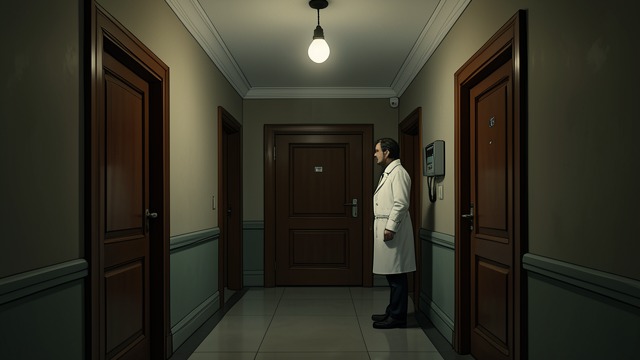
Compliance as Atmosphere
Rules accumulate
Silence, device surrender, timed meals, and bag searches shape the guests’ conduct before they know the full protocol. Staff present the rules in reassuring language.
Unequal authority
Masha and her staff can communicate and monitor the guests while guests cannot easily contact the outside world. The imbalance makes apparent participation less voluntary.
The Treatment Without Permission

Good Intentions Are Not Consent
The guests object
Masha admits that the smoothies contained drugs and describes an intensified session. Guests react according to their histories, including addiction in the family and prior frightening drug experiences.
A paternalistic defense
Masha argues that evidence and a controlled setting make the intervention safe. Her defense misses the point: benefit cannot retroactively create permission.
Captivity Called Growth

Coercion Rebranded
Control of movement
The guests remain locked in a room, uncertain whether staff will return or release them. Their confinement is not an agreed therapeutic exercise.
Masha’s interpretation
Masha calls their frustration a necessary stage of transformation. The discrepancy between her language and their lived danger shows how wellness rhetoric can obscure abuse of power.
The Guests’ Own Decision

Agency Restored
A practical choice
The group stops waiting for Masha’s permission and tests the handle. Once free, they decide what to tell police and whether to remain overnight.
Consent reclaimed
Their shared decisions contrast with the retreat’s imposed experiences. Even where the guests found insights or comfort, those outcomes do not excuse the methods used to produce them.
Before the guests travel to Tranquillum House
First five days of the retreat
Fifth day, during Masha’s disclosure
During the second day in the studio
After they discover the door is unlocked
