Zoe Marconi
Nine Perfect StrangersZoe Marconi arrives at Tranquillum House as the youngest guest ever to attend one of its retreats, a twenty-year-old whose grief for her dead twin brother is bound up with a family’s mutual protectiveness and silence. She has changed the date of her birthday so it will not fall immediately after Zach’s death anniversary; later, she admits that she and Zach had stopped speaking and that she had hoped to break their silence on the day he died. Her story shows how mourning can organize a family’s ordinary routines, while leaving the words that mattered unsaid.
Identity and Introduction
Zoe is the daughter of Heather and Napoleon Marconi and the twin sister of Zach. At twenty, she is the youngest guest Masha has seen at Tranquillum House and the first daughter in a family group to attend a retreat there. Masha notes that Zoe appears healthy and athletic, and wonders why she would choose a ten-day health retreat with her parents. From the outside, Zoe does not look like someone seeking physical rejuvenation; the reason for her presence is instead bound to her family’s loss and its continuing consequences.
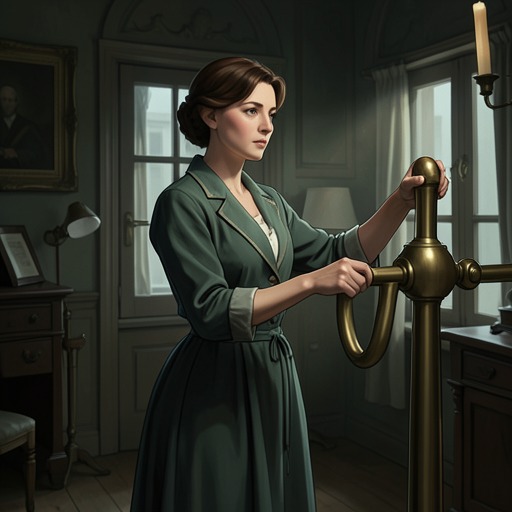
When Frances first encounters the Marconis, Zoe appears tall, athletic, outdoorsy, and composed. She has the casual grace of a person comfortable in her body, in contrast with the anxious intensity Frances notices in Heather. That first impression is incomplete: Zoe’s apparent ease sits alongside the strain of being watched over by parents who fear for her and the private weight of losing her twin.
Life at Tranquillum House
The retreat’s silence separates Zoe from the family habits that normally reassure her parents. There are no family suites, so she sleeps in a single room next door to Heather and Napoleon. Heather knows Zoe has recently broken up with her boyfriend and imagines her alone with her thoughts; she worries about the absence of Zoe’s phone, which Zoe finds stressful when its battery falls below eighty per cent. Heather also recalls that Zoe did not sleep alone in a bed until she was ten. These details show the family’s longstanding closeness through Heather’s anxious perspective, though they do not establish that Zoe experiences the arrangement in the same way.
Zoe tells her parents that she is fine and happy, and understands their need for reassurance. At the same time, she has worked excessively hard through the year on her media studies degree, tapping at her computer as if the work were a matter of life and death. She considers herself deserving of a break. Her effort to reassure Heather and Napoleon thus runs in both directions: they try to protect her, while she manages their worry by presenting herself as all right.
The family’s closeness is sustained partly through habits of checking and anticipating. Heather and Napoleon panic if Zoe is alone in her bedroom at home for too long; when she is away, silence can prompt one of them to find a reason to check on her. At Tranquillum House, the rule against speaking or touching makes that familiar reassurance more difficult. Heather sits beside Napoleon without their bodies touching, and the couple waits for Zoe to knock after her shower so that they can go to the guided meditation together. Heather insists to herself that Zoe is fine and will do what she has promised. Yet she also recognizes a painful imbalance: Zoe tries hard to be everything for her parents, while they behave as though she is their only reason for living.
Zach and the Changed Birthday
Zoe explains the meaning of her planned birthday toast to Frances: she brought wine for Zach’s twenty-first birthday, which would have been in a few days, and he died three years earlier. When Frances reacts with sorrow, Zoe quickly says that she and Zach were not close. The reassurance is part of the way she presents the loss, but it cannot contain what follows when Frances asks his name. Saying Zach’s name feels strange and painful to Zoe; she becomes overwhelmed and momentarily fears she might faint. She then explains that they were twins, whose names, Zoe and Zach, had seemed amusingly matching to them.
Zach died the day before their eighteenth birthday. The twins had been planning a “Z” party, and Zoe had intended to go as Zoe, an idea she remembers as funny at the time. The birthday she once shared with Zach therefore became entangled with the date of his death. Zoe officially moved her birthday to 18 March, a date she considers nicer and cooler in the year. It was also her grandmother Maria’s birthday. Maria had said she would live to one hundred, as her own mother had, but died a month after Zach; the doctor also described Maria’s death as resulting from a broken heart.
Zoe says she changed her birthday because it did not seem fair to Heather and Napoleon to have to celebrate hers the day after they were still devastated by the anniversary. January remains especially hard for her parents. The changed date is more than a practical adjustment: it shows Zoe arranging her own calendar around her parents’ grief, even as her birthday remains inseparable from the loss of her twin and the celebration they never had.
Estrangement, Guilt, and Family Grief
Zoe eventually tells her parents what she remembers about Zach before his death. She had noticed him lying on his bed without looking at his phone, listening to music, or reading—unlike his usual self—and understood that something was wrong. She thought the problem might be at school, but she and Zach were not speaking. She was angry with him and did not want to be the first to reach out. Zoe describes their silence as a competition over who would speak first.
Her confession brings the missed opportunity into focus. Zoe had planned to talk to Zach on their birthday and tease him with a birthday greeting, but his death came the day before. She closes her eyes while telling her parents, unable to face their disappointment and pain. Heather reassures her that Zach’s death was not her fault. Zoe’s recollection does not establish responsibility for his death; it reveals the particular regret she carries: the silence between twins and the conversation she believed was still ahead of them.
The family members respond to grief differently, and those responses press against one another. Napoleon decides after Zach’s funeral that he must not break and that it is his job to heal, remain there for his wife and daughter, and keep going. He studies suicide-loss literature, buys books, listens to podcasts, researches online, attends a weekly survivors’ group, and eventually runs it. He also speaks to parent groups and schools, gives radio interviews, edits a newsletter, and helps with fundraising. Heather privately calls this work his new hobby, a bitter description that he experiences as both a malicious lie and an uncomfortable truth. Zoe’s effort to be fine belongs to this same family pattern: each person tries to live with the loss while their different ways of doing so can remain difficult for the others to understand.
Narrative Role and Significance
Zoe’s disclosures give a concrete shape to the Marconi family’s grief. The changed birthday, the bottle of wine, the abandoned plan for a “Z” party, and the belated account of who would speak first turn a broad history of loss into a sequence of missed and remade occasions. The objects and dates do not undo the death; they show how Zoe has tried to make its anniversary bearable for her parents while continuing to live with her own memories.
Her role also complicates the family’s protectiveness. Heather and Napoleon fear for Zoe’s well-being and treat her solitude as a reason for concern, but Zoe has her own account of what the family needs from her: she understands their need for reassurance and tries hard to be what they want. When she finally names her guilt over Zach, the assurance that it was not her fault meets rather than erases her memory of their estrangement. Her story therefore holds together love and overprotection, shared mourning and separate experience, and the painful difference between intending to speak and getting the chance.