Do it to Julia!
Nineteen Eighty-Four'Do it to Julia!' is the cry of betrayal that marks the moral ruin of Winston Smith in Nineteen Eighty-Four. Uttered in Room 101 as the rat cage closes upon his face, it converts his love for Julia into a command that she suffer in his place, and it proves that Julia had been wrong to say, 'They can't get inside you.' The sentence shadows the novel's final meeting between the two lovers, when each confesses bluntly, 'I betrayed you,' and it stands as the moment at which the Party's claim on the inner mind is made good.
Context: The Worst Thing in the World
O'Brien tells Winston, 'In your case, the worst thing in the world happens to be rats.' The announcement confirms a terror long prepared in the book. Julia had already told Winston, in the room above Mr Charrington's shop, that rats attack children and that some parts of London are swarming with them; his own response, 'Of all horrors in the world – a rat!', had been the first public crack in his composure. He had also dreamed, again and again, of a wall of darkness behind which something unendurable waited, and O'Brien now names what lies there: 'It was the rats that were on the other side of the wall.' In the white-lit underground chamber O'Brien explains the device – a wire cage fitted with a fencing mask, so that the starving rats will shoot onto the victim's face, 'Sometimes they attack the eyes first. Sometimes they burrow through the cheeks and devour the tongue.' Even before the lever is pressed, Winston's bowels turn to water; the cage's foul musty odour brings a convulsion of nausea, and for an instant he is 'insane, a screaming animal.'
The Utterance and Its Work
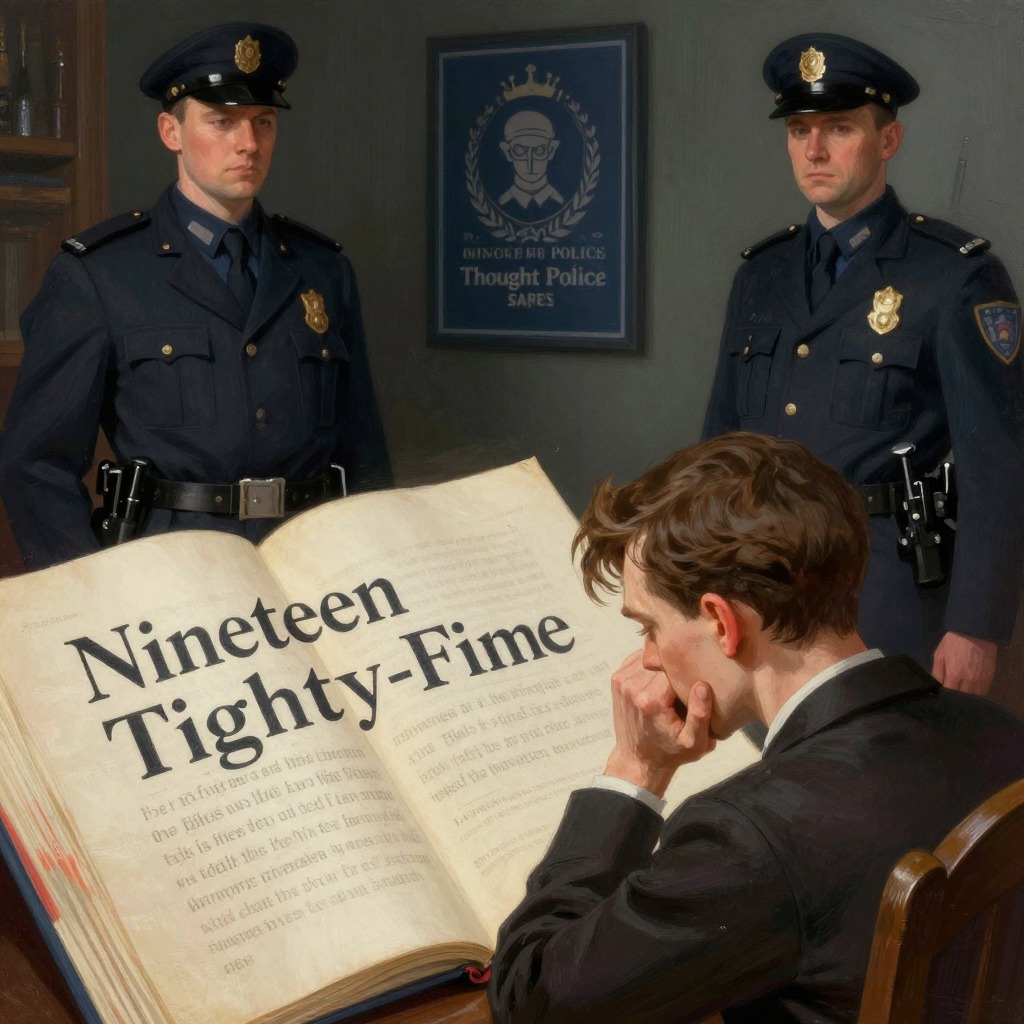
With the circle of the mask large enough to shut out the vision of anything else, and the wire door a couple of hand-spans from his face, Winston knows only one way to save himself: he must interpose another human being, the body of another human being, between himself and the rats. In the whole world there is exactly one body he can thrust between himself and the cage, and he discovers it in mid-panic: 'Do it to Julia! Do it to Julia! Not me! Julia! I don't care what you do to her. Tear her face off, strip her to the bones. Not me! Julia! Not me!' The words are not a plea or a question but a designation: they name the victim who is to take his place. The utterance does the work of the instrument – the cage door never opens, and a metallic click tells him it has closed shut and not open – but the betrayal has already been accomplished, aloud, in the presence of O'Brien and the guards.
Aftermath and Echoes
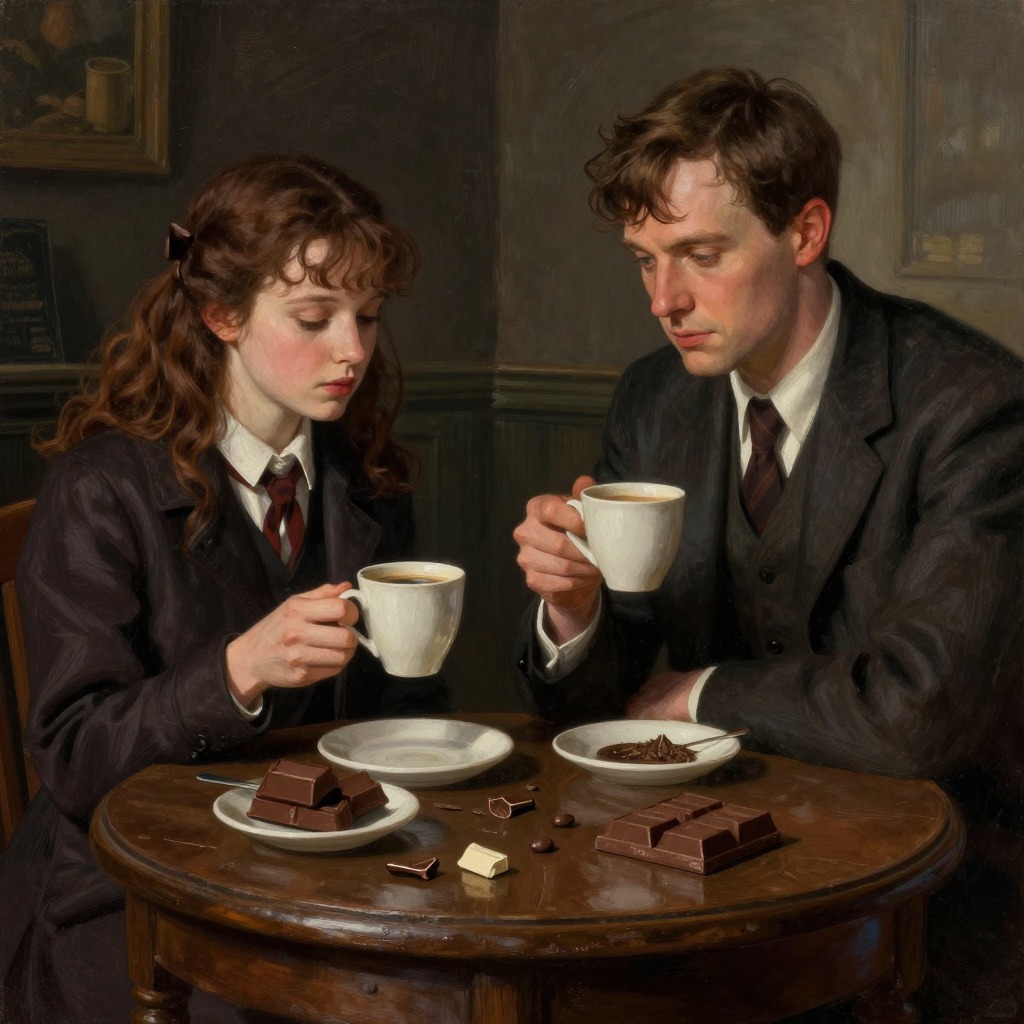
The phrase is not allowed to fade. 'They can't get inside you,' Julia had once told Winston; the later narrative answers, 'But they could get inside you.' At their final meeting in the Park Julia says plainly, 'I betrayed you,' and Winston answers, 'I betrayed you.' She explains the mechanism: when they threaten you with something impossible to stand up to, you say, 'Don't do it to me, do it to somebody else, do it to so-and-so,' and you may pretend afterwards that it was a trick – 'But that isn't true. At the time when it happens you do mean it. You want it to happen to the other person. You don't give a damn what they suffer.' The narrator confirms that Winston had not merely said it, he had wished it, that he had wished she and not he should be delivered over to the rats; and after that, neither feels the same towards the other any longer. Something has been killed in his breast, burnt out, cauterised out. The wordless final parting, in which he lets a small knot of people separate him from her and turns back towards the Chestnut Tree Café, is the aftermath of the sentence spoken in Room 101.
The Meaning of the Sentence
In the moral vocabulary of the novel, 'Do it to Julia!' is the precise negation of what Winston had once told Julia: 'If they could make me stop loving you – that would be the real betrayal.' The sentence is also the fulfilment of O'Brien's boast that 'we do not merely destroy our enemies, we change them.' Winston does not only confess; he actively chooses Julia's suffering, proving the Party's power to reach the inner heart whose workings Julia had insisted were impregnable. The phrase is thus an expression that functions as a deed: it destroys the love that had been Winston's rebellion, prepares the way for his final surrender, and makes possible the novel's last line, 'He loved Big Brother.' It is the point at which the Party's war on desire and on the individual wins, and one of the most chilling demonstrations in dystopian literature of power exercised purely over the mind.