Ownlife
Nineteen Eighty-FourDefinition and Nature of Ownlife
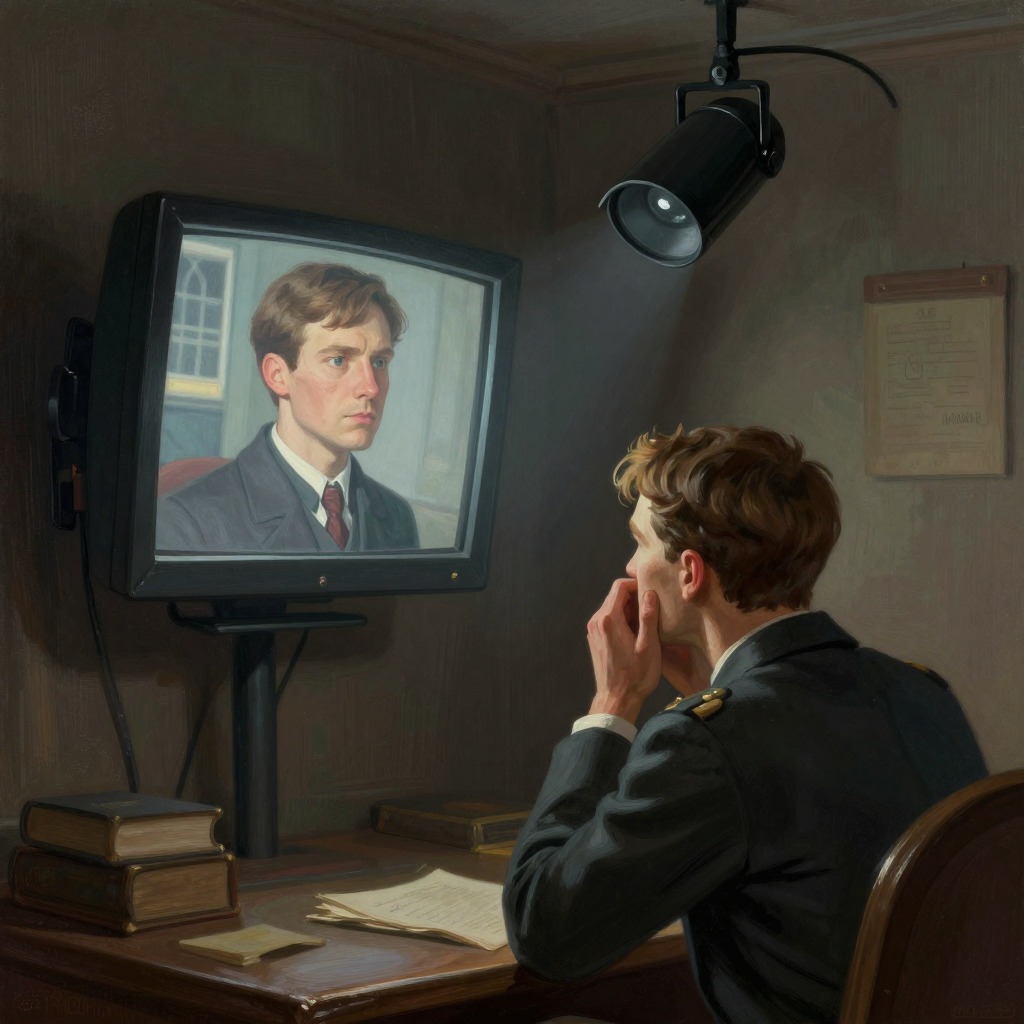
Ownlife is a Newspeak term denoting individualism and eccentricity, capturing the act of seeking solitude or engaging in activities that suggest a personal life outside the Party's collective sphere. In the world of Oceania, a Party member is expected to have no spare time and to be never alone except in bed; any deviation toward solitude, such as taking a walk by oneself, is considered a dangerous and unorthodox behavior. Winston Smith, the protagonist, experiences this constraint when he decides to skip an evening at the Community Centre, a choice that carries the risk of being noted by the authorities. The very existence of the word ownlife in the Party's vocabulary reveals the regime's systematic effort to eliminate private life and to make any form of personal autonomy a punishable deviation.
Political Significance and Repression
The Party's prohibition of ownlife is enforced through an omnipresent surveillance apparatus and the relentless demand for communal participation. The telescreen monitors every movement, and the Thought Police are ever ready to detect signs of withdrawal. The Ministry of Love, with its windowless walls and hidden machine-gun nests, personifies the ultimate terror that awaits those who stray into individualism. As the Party's ideology demands total loyalty, any hint of a separate identity—a taste for solitude, a private thought—threatens the monolithic structure of Ingsoc. The crackdown on ownlife is part of a broader totalitarian strategy that, as Orwell's own political writings make clear, aims to destroy all independent thought and feeling, reducing individuals to mere cells in the Party's organism.
Thematic Significance: Memory and the Self
Ownlife also represents the last refuge of personal memory and historical continuity. The Party's control over the past, through the constant rewriting of records and the denial of inconvenient facts, aims to erase any anchor for individual identity. In a world where the past is whatever the Party says it is, the ability to withdraw into one's own mind and cherish private recollections becomes an act of resistance. The isolation of ownlife, however, is both a privilege and a danger: it allows a person to preserve a sense of self, but it also makes them vulnerable to the Party's accusation of thoughtcrime. Ultimately, the concept of ownlife encapsulates the central conflict of the novel—the struggle between the individual's right to an inner life and the totalitarian demand for complete submission.