
Sameer Ali’s Portable Faith
NomadlandSameer Ali carries religious practice through a mobile life while extending solidarity to people facing poverty.
increasing Bearing strength in each event
 decreasing
Bearing strength in each eventdecreasingFaith on the Road
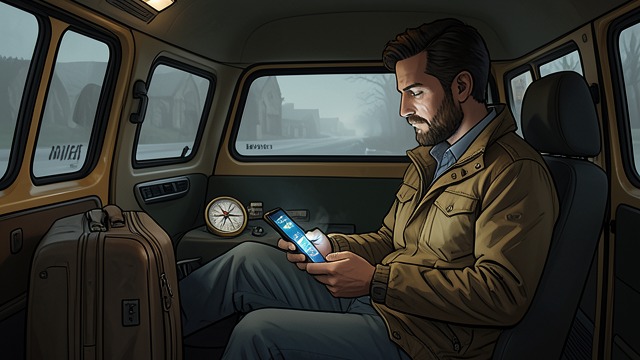
Faith on the Road
Making worship portable
Sameer Ali uses a phone application to observe prayer times and orient his van toward Mecca. Technology adapts religious practice to a life without a fixed home.
A practical improvisation
The small routine reflects a broader way of life: travelers build workable systems from limited resources, rather than waiting for conventional housing to return.
A Family Rejects Him
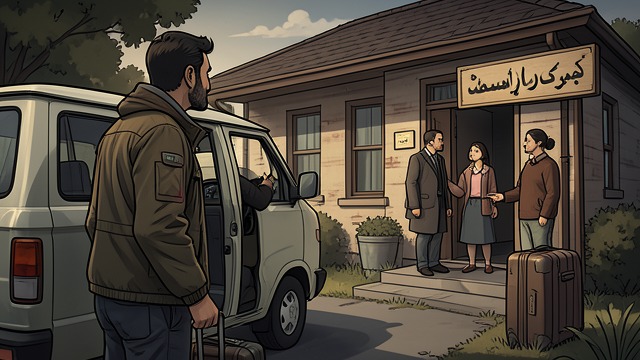
A Family Rejects Him
Judgment at home
When Sameer Ali visits family for Ramadan, a relative calls him a homeless bum and sends him away. The rejection makes the social meaning of housing painfully personal.
Naming his own identity
He resists defining himself by a stigmatized label and identifies as a traveler. His insistence is an act of dignity, not proof that his financial circumstances are easy.
A Brother’s Message

A Brother’s Message
Recognition without judgment
When LaVonne Ellis writes about payday loans and shame, Sameer Ali responds with memories of his own days nearly out of fuel, food, and water.
Solidarity as care
He urges her toward the desert community where she can be understood. His message does not promise a cure; it offers companionship and a less isolating way to face poverty.
During the Arizona travels
Before his advice to LaVonne
During LaVonne Ellis’s financial crisis
