
The Law and the Nomad
NomadlandRules governing parking, public land, and official residence make mobile shelter vulnerable to exclusion and surveillance.
increasing Bearing strength in each event
 decreasing
Bearing strength in each eventdecreasingSafe Parking Becomes Uncertain
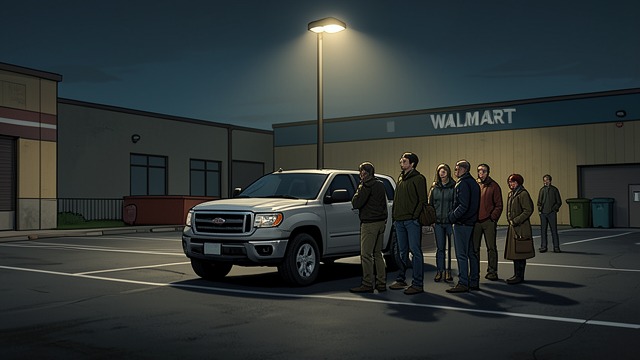
Safe Parking Becomes Uncertain
Permission can disappear
Many travelers depend on businesses that allow overnight parking. Some stores withdraw that permission after conflict or complaints, leaving people to search again.
A lethal reminder
A deadly confrontation at the Cottonwood Walmart leads the store to remove overnight campers. A practical refuge becomes a reminder that access to a parking lot is never guaranteed.
Forest Use Policed
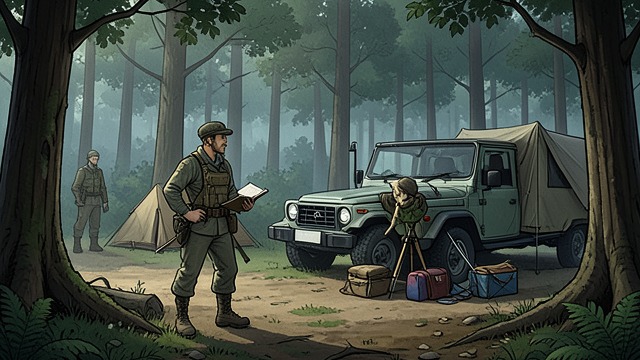
Forest Use Policed
Camping read as residence
In some areas, rangers question long-term vehicle dwellers about where they live. A traveler who appears to use public land as a home may be treated differently from a short-term camper.
The meaning of presence
The distinction between recreation and residential use places nomads under scrutiny. Their shelter may be physically present while their right to remain is contested.
An Address Required
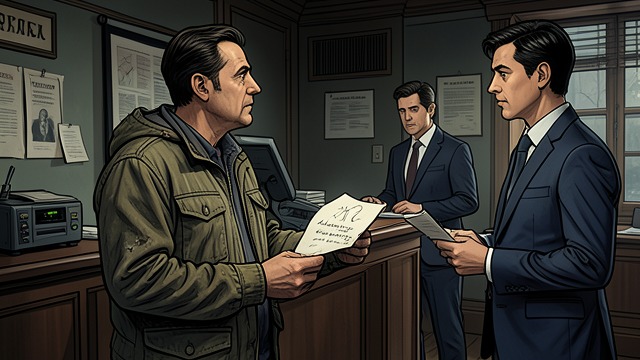
An Address Required
Paper residence
Nomads need an official domicile to register vehicles, vote, and manage many ordinary responsibilities. Mail-forwarding addresses once made that arrangement easier.
Compliance tightens
REAL ID procedures lead some clerks to demand a residential address rather than a business address. Travelers are pushed toward improvised or borrowed information to satisfy rules designed for settled lives.
After the Cottonwood incident in 2015
During the mid-2010s reporting
At the 2016 Rubber Tramp Rendezvous
