
Houselessness and the H Word
NomadlandThe book examines how names shape dignity while laws and living conditions complicate the distinction between houselessness and homelessness.
increasing Bearing strength in each event
 decreasing
Bearing strength in each eventdecreasingA Name for the Life

A Name for the Life
Rejecting a stigma
Many travelers prefer “houseless” to “homeless,” emphasizing that they have shelter and transportation. The distinction protects self-respect in a society that treats homelessness as moral failure.
Identity remains complicated
A preferred name does not settle legal status or economic vulnerability. The vocabulary expresses dignity while leaving unresolved what makes a place a home.
When the Label Feels Real
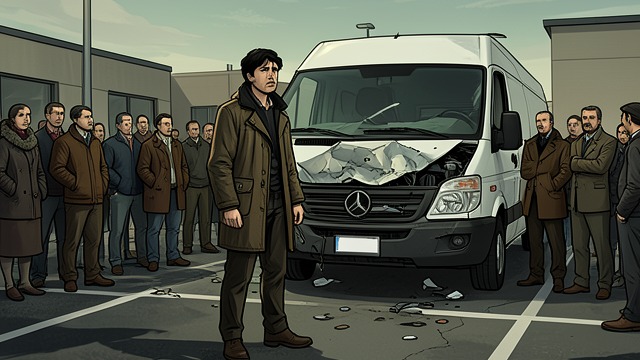
When the Label Feels Real
Shelter suddenly fails
LaVonne Ellis’s broken van leaves her stranded and unable to afford repairs. She worries that she has crossed from chosen mobility into a condition she had tried to keep at a distance.
A porous boundary
Her experience reveals how quickly a vehicle home can become unusable. The distinction between traveler and homeless person cannot always withstand illness, debt, and mechanical failure.
Stigma Meets Ordinance
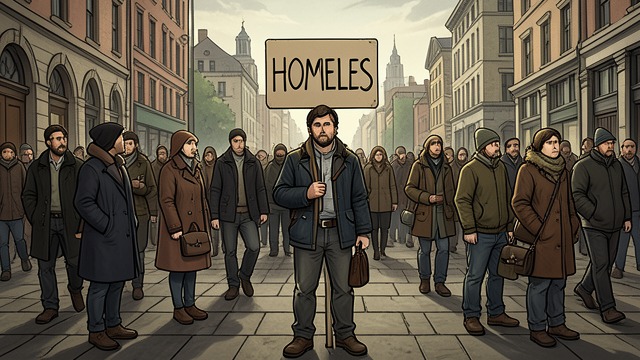
Stigma Meets Ordinance
Public space restricted
Cities increasingly ban sleeping in vehicles or occupying sidewalks. These rules make it harder for people without conventional housing to remain safely in place.
Shelter without acceptance
The conflict is not merely about labels. Law and public attitudes can allow the vehicle while prohibiting the person who must sleep inside it.
At the first Rubber Tramp Rendezvous
After LaVonne Ellis’s van breaks down
By 2016
