
The American Dream Reconsidered
NomadlandThe book questions whether following conventional rules still leads to security, prosperity, and a stable home.
increasing Bearing strength in each event
 decreasing
Bearing strength in each eventdecreasingFaith in the Rules
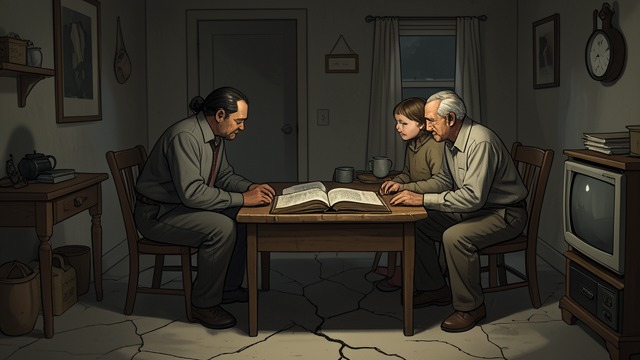
Faith in the Rules
A familiar promise
Workers expect education, employment, home ownership, and saving to lead toward stability. Many characters initially organize their lives around that inherited promise.
Cracks appear
Layoffs, foreclosure, divorce, illness, and debt undermine the assumption that hard work alone can protect a family. The expected route to security begins to look unreliable.
A Different Measure of Plenty
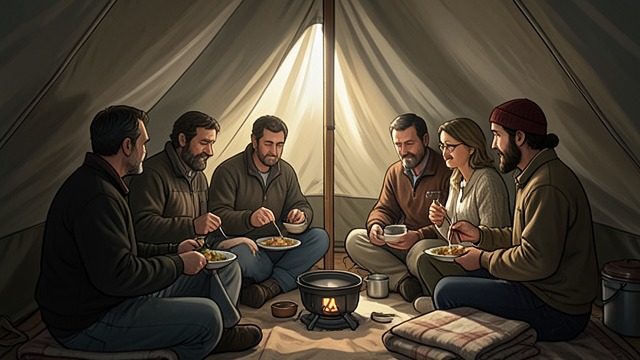
A Different Measure of Plenty
Reducing the fixed costs
Nomads pare down possessions and housing expenses to preserve choice. Some describe having enough space, community, and mobility without conventional property.
Freedom is not prosperity
Their lives are not a simple rejection of hardship: cash, health care, repairs, and secure old age remain difficult. A new definition of enough coexists with material vulnerability.
A Question of Survival
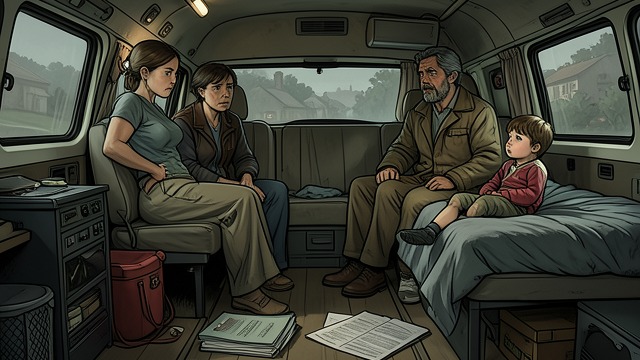
A Question of Survival
The household arithmetic
The narrator widens the view to families balancing rent against food, medical care, and debt. The nomads’ unusual lives reveal pressures that also shape people in conventional homes.
A collective challenge
The story asks what people must give up to keep living and when such trade-offs begin to fracture society. Its critique points toward shared economic structures, not individual shortcomings alone.
Before the 2008 financial crisis
After travelers move into vehicles
In the final coda
