
The Roadside as Home
NomadlandParking lots, public land, and improvised vehicles become places of shelter while remaining vulnerable to rules and rejection.
increasing Bearing strength in each event
 decreasing
Bearing strength in each eventdecreasingLearning Where to Sleep
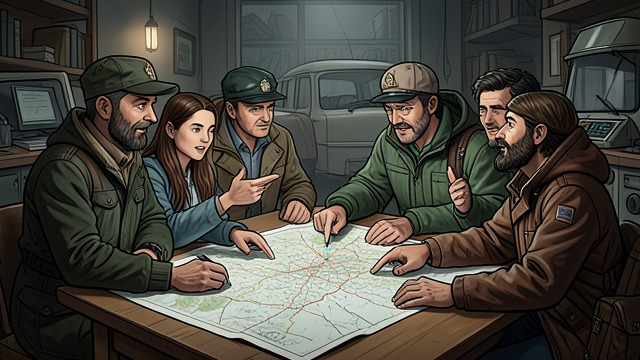
Learning Where to Sleep
Knowledge of places
Travelers exchange information about stores, truck stops, and public land where a vehicle may be parked overnight. Safe parking is a learned practice rather than a given right.
Mobility as daily labor
Finding a quiet place, leaving early, and avoiding attention require planning. The roadside becomes part of the work of keeping oneself sheltered.
The Desert as Common Ground
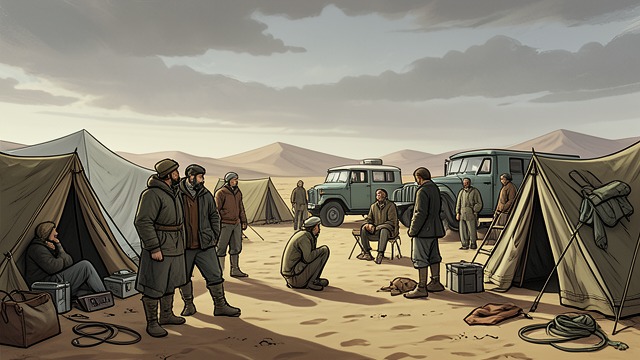
The Desert as Common Ground
Access across income lines
Public land near Quartzsite brings together people in tents, old vans, and costly motorhomes. The open setting can blur distinctions that would be stronger in segregated neighborhoods.
Temporary equality
The land is shared, but resources and comfort remain unequal. Common access gives travelers a place to gather without making their different economic circumstances disappear.
The City in Plain Sight
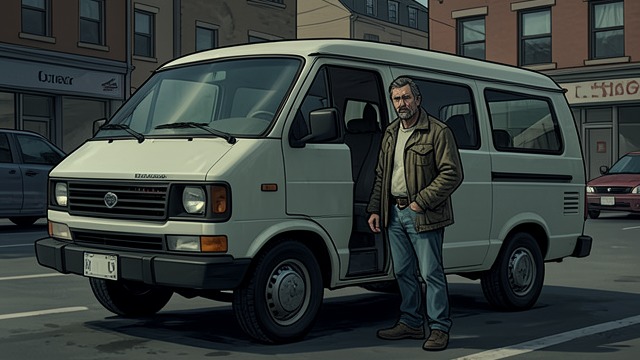
The City in Plain Sight
Returning eyes notice more
In Brooklyn, the narrator begins seeing hidden camper vans and motorhomes parked among ordinary work vehicles. Their occupants remain largely invisible behind curtains and covered windows.
A concealed landscape
The discovery reframes urban parking as shelter for people whose homes are difficult to recognize. The road is not a distant subculture; it exists inside the city.
At the early Rubber Tramp Rendezvous
During winter in Quartzsite
The winter after the reporting years
