
The Book’s Expanding Witness
NomadlandThe narrator’s reporting shifts from observation to immersion, changing what the book can understand about nomadic life.
increasing Bearing strength in each event
 decreasing
Bearing strength in each eventdecreasingThe Initial Reporting
The Initial Reporting
A labor story becomes larger
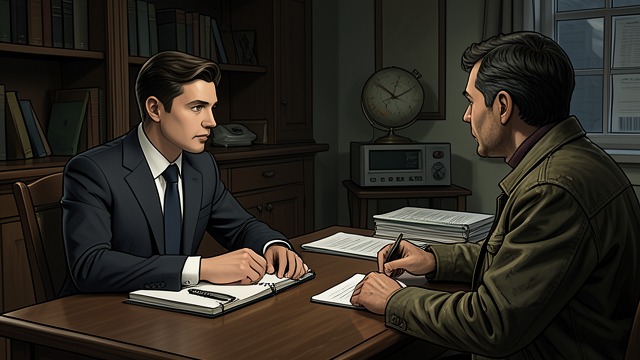
The narrator begins by investigating mobile workers and the economics behind their seasonal jobs. Early interviews reveal people whose apparent travel often masks limited choices.
A central life comes into view
Meeting Linda May gives the reporting a continuing human thread. Following her reveals how economic pressure, friendship, work, and aspiration intersect over time.
Living in Halen
Living in Halen
Becoming a participant
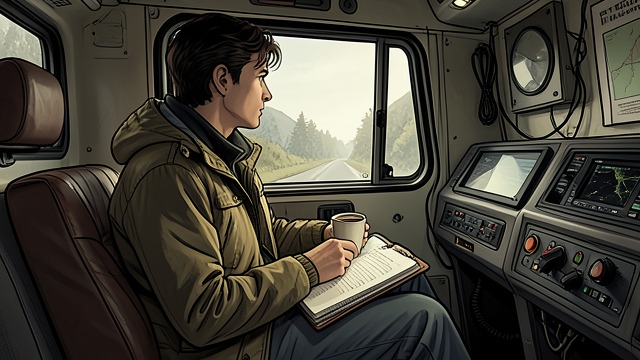
The narrator buys and outfits Halen, then spends extended periods on the road. Vehicle failures, stealth parking, and cramped living complicate the assumption that reporting can remain detached.
A changed understanding
Daily inconveniences offer access to experiences that interviews alone could not convey. The narrator becomes more attentive to the vulnerability and adaptability behind life on wheels.
Leaving the Road
Leaving the Road
A chosen stopping point
The narrator misses the gathering but decides to finish the book. The reporting ends while the travelers’ lives continue beyond the page.
Home no longer looks ordinary
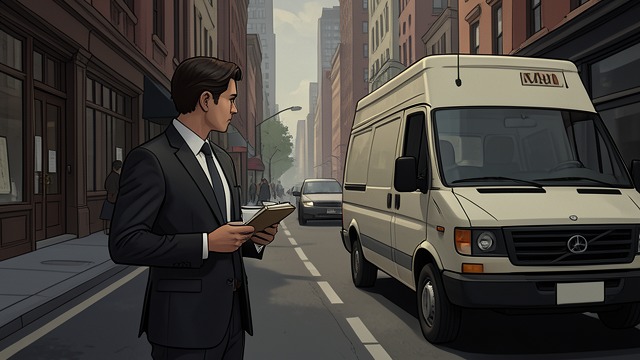
Back in Brooklyn, the narrator notices concealed vehicle dwellings everywhere. The experience has made nomadic life legible as part of a larger housing crisis, rather than an isolated curiosity.
Before the first meeting with Linda May
During reporting, 2014 onward
During the book’s final winter
