
The Medical Battle
Not Without HopeThis flow traces the physiological progression from seasickness and cold immersion to delirium, collapse, and hospital stabilization.
increasing Bearing strength in each event
 decreasing
Bearing strength in each eventdecreasingSeasickness Onset
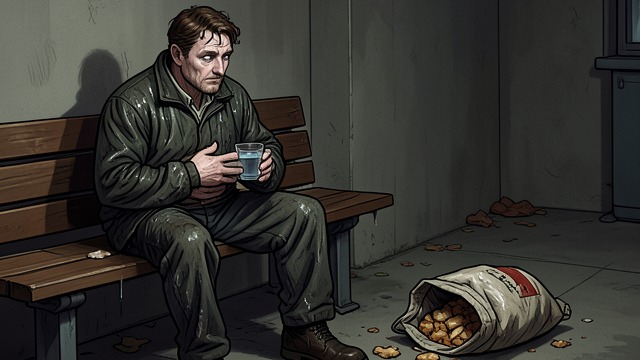
The First Physical Failure
Loss of Food and Water
Nick becomes dizzy, dry-mouthed, and nauseated as the boat crosses rough water. He vomits nearly everything he has eaten and drinks little afterward.
His seasickness leaves him weaker before the accident even begins.
Accidental Protection
Because he feels sick, Nick puts on more clothing than the others. The same illness that reduces his reserves later helps protect him from the cold.
Hypothermic Delirium
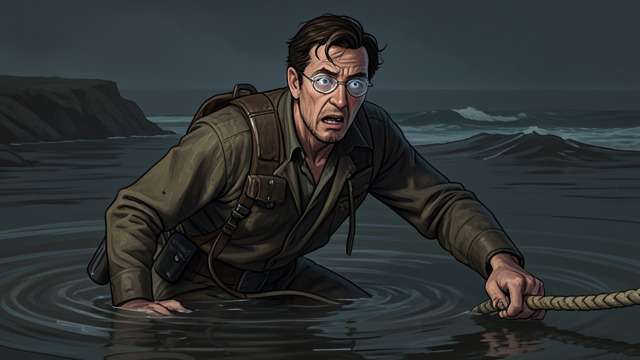
Minds Under Cold
Marquis and Corey
Marquis becomes confused, slurs his speech, and repeatedly tries to reach the anchor. Corey later develops aggression, disorientation, and an urge to pull away from the boat.
Their behavior appears voluntary only until the medical logic of hypothermia explains it.
Misread Survival
Nick must restrain friends who are no longer fully themselves. The emotional violence of the scene comes from recognizing that irrational behavior is a symptom, not a moral choice.
Moderate Hypothermia
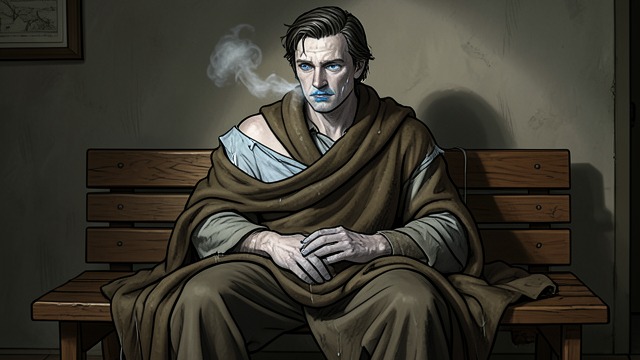
A Body Near Its Limit
Medical Assessment
Nick reaches the cutter with a temperature below ninety degrees. His skin is cold, his lips blue, and his breathing labored.
The crew removes wet clothing gradually and uses blankets rather than rapid heating.
Survival’s Physical Basis
Doctors later identify clothing, fitness, exertion, and determination as interacting factors. No single explanation fully accounts for the extraordinary duration of his survival.
February 28, 2009 around midday
March 1, 2009 before dawn
March 2, 2009 after rescue
