
Authenticity versus Cultural Borrowing
O fenômeno Jungkook: O sucesso do BTS e a criação de um superstar mundialThis flow follows BTS’s struggle to use hip hop sincerely while confronting the limits of Korean knowledge about Black culture.
increasing Bearing strength in each event
 decreasing
Bearing strength in each eventdecreasingImported Images
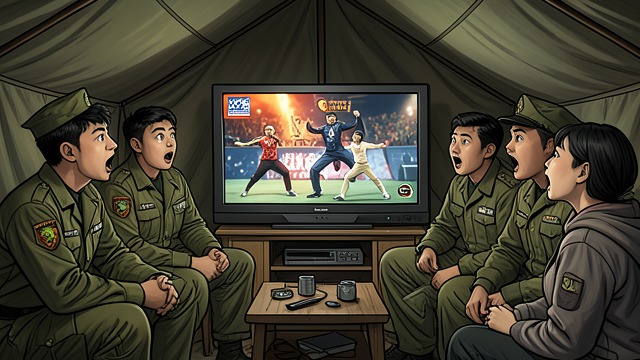
Hip Hop through Screens
Korean audiences encounter American music and dance through the American Forces Korean Network, Soul Train, and military-linked spaces in Itaewon.
Freedom at a Distance
For young people living under authoritarian constraints, Black performance culture appears energetic, expressive, and free. Its influence becomes foundational to later Korean pop.
An Incomplete Transfer
The access is powerful but mediated. Korean artists absorb style and technique before fully understanding the historical experiences behind them.
The Seo Taiji Legacy
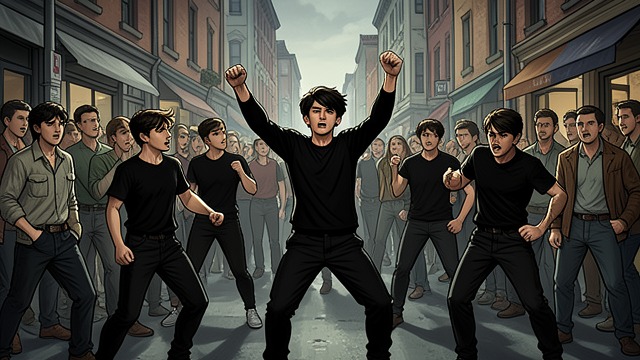
Protest through Popular Music
Seo Taiji and Boys combine rap, dance, and social criticism to challenge educational pressure and cultural censorship. Their success expands the expressive possibilities of Korean pop.
A Model for Rebels
The group shows that commercially successful artists can still confront authority. Their example becomes a historical resource for later generations.
A Path for BTS
BTS inherits the idea that youth music should name frustration rather than merely provide fantasy. Authenticity becomes tied to speaking from lived conditions.
Early Missteps
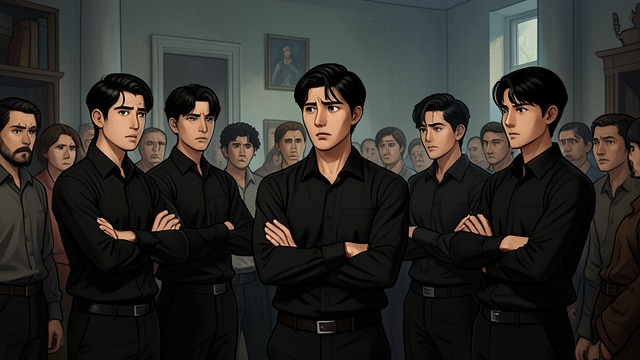
Borrowed Symbols
Early BTS imagery sometimes uses racialized hairstyles, props, and language without sufficient understanding of their cultural context. The group’s admiration for hip hop does not prevent harmful imitation.
A Global Audience Responds
International fans challenge the assumptions behind these choices. The criticism exposes the difference between loving a culture’s art and understanding its history.
Responsibility Emerges
The conflict begins a process of learning. BTS’s later claim to authenticity must pass through acknowledgment rather than denial.
RM Learns to Listen

Education through Friction
RM enters BTS with genuine love for hip hop but limited experience outside Korea. Encounters in Los Angeles and conversations with international fans force him to reconsider earlier language and imagery.
No Excuse as Method
He comes to describe past mistakes as errors rather than defend them as harmless intentions. That distinction turns apology into an ongoing practice of accountability.
Leadership Reframed
RM’s responsibility expands from teaching BTS about rap to listening when others explain the culture he admires. His growth influences the group’s public credibility.
A More Honest Hip Hop
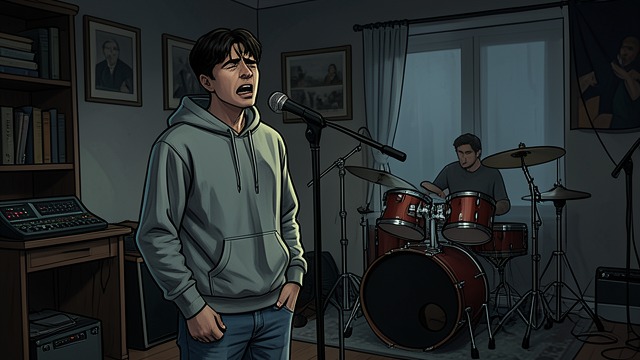
From Aggression to Vulnerability
After American Hustle Life and the early controversies, BTS moves from borrowed toughness toward music about youth, uncertainty, love, and social pressure.
Authenticity Rebuilt
The group does not abandon hip hop. It reinterprets the form through Korean experiences and emotional openness.
Global Resonance
The revised approach becomes more accessible internationally because it is less dependent on surface symbols. Personal truth replaces costume as the basis of connection.
1980s-1990s
1992
2013-2014
2014-2017
2015-2020
