Kaitlyn
Of Fates & Fables (The Complete Series)Kaitlyn is a survivor of Brody Harrison’s forced-breeding operation whose testimony, resistance, and insistence on remembering expose the human cost of his campaign. Rescued while pregnant and caring for her infant son Hunter, she refuses to let safety erase what was done to her: her story turns the rescued women from silent evidence of Brody’s crimes into people with choices, anger, memory, and demands for accountability.
Captivity and Rescue
Kaitlyn is introduced among the women held by Brody Harrison. When Romy Cartelli and her allies find the captives, Kaitlyn is pregnant, frightened, and carrying a baby whose skin bears Brody’s tattoo. The mark demonstrates that Brody’s control extends beyond the women he abducts and impregnates: he claims their children as part of the same system of magical ownership. Kaitlyn’s baby has already been incorporated into his scheme before the rescue is complete.
During the escape, Kaitlyn identifies herself and is directed to sit beside Talia DuPont in the front of the clinic truck, where she can buckle herself in while holding the baby safely. Her presence helps make the rescue concrete and immediate. She is not merely one of the anonymous victims being transported away from danger; she is a mother responsible for protecting a child while injured, displaced, and still pursued by the people who controlled her.
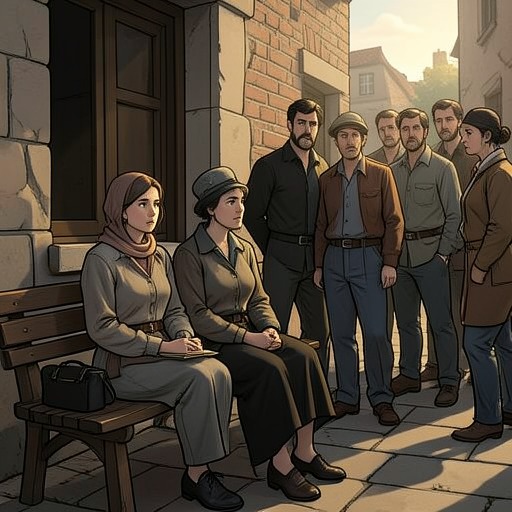
When the truck reaches the Somerville pack compound, members of Kash Montgomery’s pack are waiting. The rescuers are visibly startled by the number of pregnant women brought back, but they quickly help them out of the vehicle. Kaitlyn enters a new communal environment in which the rescued women can remain together while the pack prepares unused cabins and makes longer-term living arrangements available.
Resistance Inside Brody’s System
Kaitlyn’s account reveals that she was held longer than many of the other women and repeatedly saw the woman who administered the tattoos. She recalls that she once managed to make this tattooer bleed by punching her. The act was small compared with the scale of the captivity, but it establishes Kaitlyn as an active resister rather than a passive recipient of violence.
Her most painful memory concerns Hunter’s marking. The captors forced Kaitlyn to accompany her baby while the tattoo was applied, and she tried to stop it. She remembers the sound of Hunter crying, a sensory memory that remains inseparable from the mark on his wrist. Her resistance could not prevent the tattoo, but it preserved her refusal to consent and gave her an account of the crime that Brody’s system could not control.
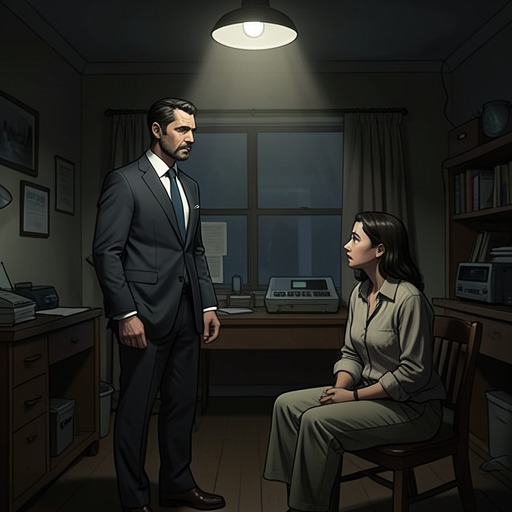
Kaitlyn cannot initially name the tattooer. When Kash asks what she knows about the woman, she first says that she does not know her, then remembers that Eric once called her Regina. That fragment becomes an important investigative lead. Kaitlyn can also describe Regina’s appearance, giving Kash and the others information that may help them locate the person who participated in Brody’s operation. Her memory therefore becomes a practical weapon after captivity, transforming an intimate recollection into evidence against the wider conspiracy.
Motherhood, Memory, and Choice
At the pack house, Kaitlyn accepts care without accepting the idea that care should soften the truth. During a baby shower, she explains that she is grateful for the rescue and for the effort to make the women comfortable, but she does not want anyone to forget why they are there. She intends to keep Hunter and says that she would make the same decision again to remain with him, yet she is equally clear that the pregnancy and the circumstances surrounding it were not her choice.
This distinction defines Kaitlyn’s moral position. Loving Hunter does not make Brody’s violence acceptable, and choosing to raise her child does not retroactively turn coercion into consent. She understands that she is making the best of what was forced upon her, while still insisting that Brody Harrison and the other werebros responsible must answer for their actions. Her speech rejects both sentimental erasure and the expectation that a survivor must hide anger in order to be welcomed into safety.
Kaitlyn also refuses to conceal Hunter’s tattoo. Most of the rescued women cover their own marks, but she leaves the mark on her son’s wrist visible because she wants the group to remember the reason for their presence at the compound. The tattoo functions simultaneously as an imposed sign of ownership and as testimony to the crime. By choosing not to hide it, Kaitlyn changes its meaning: it no longer belongs only to Brody’s system, but also records the resistance of the people who survived it.
Recovery and New Attachments
Birdie completes a binding ceremony that removes the magic from the rescued women’s tattoos, although the ink initially remains. Kaitlyn is devastated that Hunter’s skin still carries Brody’s mark, and the lingering image troubles Romy as well. Talia DuPont obtains concealer as a temporary measure while Birdie searches for a permanent solution. The recovery process consequently acknowledges that liberation is not instantaneous. The women are physically removed from captivity, but the visible and emotional traces of control require further work.
Kaitlyn gradually becomes part of the pack’s social world. She allows Romy to hold Hunter, and the baby’s ordinary gestures—his bald head emerging from the blankets, his arm lifting toward his thumb—create a domestic scene sharply opposed to the violence surrounding his conception and marking. Kaitlyn’s willingness to accept affection does not cancel her vigilance; instead, it shows her building trust without surrendering control over her story.
After the final conflict, Kaitlyn finds Adam and rushes to him, and the two embrace. Their reunion places her within a network of relationships formed after the rescue, while preserving the difference between chosen companionship and the coercive pairings imposed by Brody’s breeding program. At the later ceremony, Kaitlyn and Adam are still caring for a restless Hunter, but the tattoo has finally disappeared from the baby’s arm. Birdie has fulfilled her promise, giving Kaitlyn visible evidence that Brody’s claim can be undone.
Narrative and Thematic Significance
Kaitlyn’s role is central to the book’s treatment of forced control because she connects the private body to pack politics. Brody’s plan treats women as reproductive resources, children as inherited property, and tattoos as instruments of magical possession. Kaitlyn’s experience exposes that structure from inside it: she has been abducted, impregnated, forced to witness her infant’s marking, and denied meaningful consent, yet she retains the power to describe what happened and to decide what the aftermath will mean.
Her testimony also broadens the conflict beyond a struggle between rival Alpha figures. The missing women and their children reveal that Brody’s ambition is an organized population project, not merely personal brutality. Kaitlyn’s evidence about Regina helps uncover the network supporting that project, while her insistence on accountability prevents the rescue from being treated as a clean ending.
Kaitlyn ultimately embodies recovery without amnesia. She accepts shelter, friendship, motherhood, and a new relationship, but she refuses the comforting fiction that these things make the original violence harmless. Her unmarked child at the ceremony offers a visual conclusion to one part of her ordeal; her continued demand that Brody and his werebros answer for the crime preserves the larger truth. Freedom, in Kaitlyn’s story, means not only escape from captivity but also the right to name coercion, protect her child, and determine how survival will be remembered.