
Territory, Law, and Power
Of Fates & Fables (The Complete Series)The struggle over Somerville exposes how territory rules can be exploited, how councils can fail, and how communities may demand reform after surviving a crisis.
increasing Bearing strength in each event
 decreasing
Bearing strength in each eventdecreasingTerritory by Inheritance and Law
Territory by Inheritance and Law
A system of recognized packs
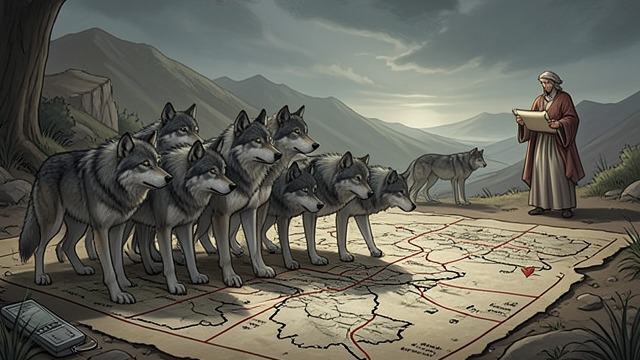
Lynch explains that the Old Law links territorial authority to a sufficiently large true pack. The system gives established packs a legal basis to rule a region.
Numbers become political leverage
Brody’s breeding plan aims to create a pack large enough to challenge Kash’s territory. The rule turns reproductive coercion into a strategy for political power.
Legality is not justice
The fact that a challenge is possible under an old rule does not make Brody’s violence legitimate. The story separates formal recognition from the ethical right to govern.
A Council That Delays
A Council That Delays
Warnings receive procedure
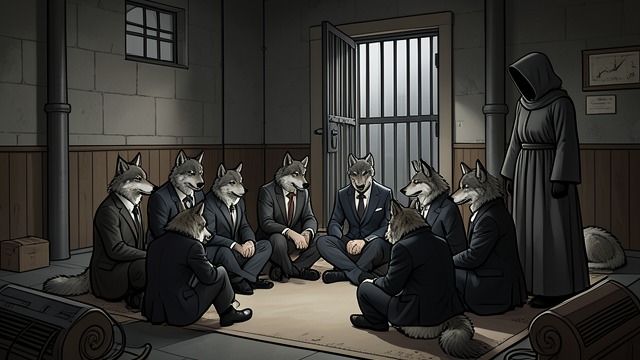
Kash brings evidence to the council, including captive women and signs of Brody’s plan. The council insists on further interviews and corroboration rather than immediately intervening.
Process becomes a shield
Romy sees the danger of making victims repeat traumatic events while a known threat remains active. The council’s demand for proof begins to look like a way to avoid responsibility.
Authority loses trust
The pack starts preparing without the council’s approval. Its hesitation undermines the legitimacy it expects others to respect.
The Right to Defend the Pack
The Right to Defend the Pack
An ally becomes a hostage
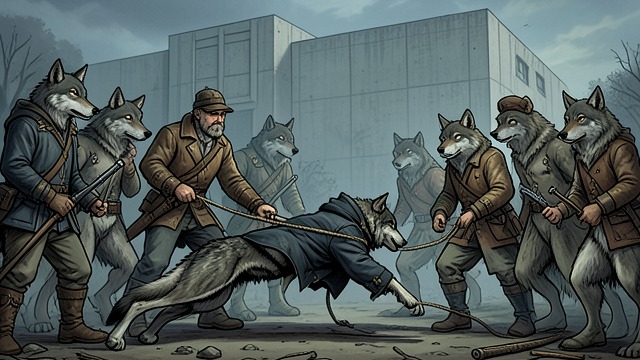
Brody abducts Justice, making the conflict an immediate threat to a member of Kash’s pack. Kash decides that waiting for the council would expose Justice to greater harm.
Defense without authorization
Kash invokes the pack’s right to defend itself and calls members to prepare. Romy helps persuade the group that inaction is not neutrality when Brody is actively attacking.
Collective authority
The decision draws on pack consent and shared purpose rather than a remote ruling. The community accepts responsibility for protecting its members.
The Council Enters the Battle
The Council Enters the Battle
Lina forces a response
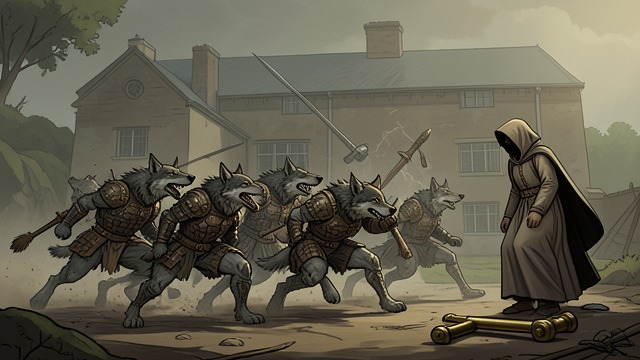
Lina’s pressure and Anna’s testimony bring the absent council members to Somerville. They arrive during the battle, not early enough to prevent the violence but in time to fight.
Authority becomes accountable
The council members expose themselves to the same danger as the pack. Their presence changes them from distant judges into participants in the consequences of their decisions.
A partial vindication
Their arrival helps defeat Brody, but it cannot undo the cost of their earlier delay. The story treats intervention as necessary and reform as still unfinished.
Reform After Survival

Reform After Survival
The old order is questioned
Lina joins the council after Logan’s death and calls for a review of its laws and procedures. Her position gives her a way to challenge the system from within.
Rules require moral scrutiny
The crisis shows that traditions can protect territory while failing people subjected to coercion. Romy’s questions about authority remain relevant after Brody is defeated.
Victory is not institutional repair
The community has won its immediate battle, but reform depends on what the council does next. The narrative ends with new responsibilities rather than declaring every structure fixed.
When the Old Law is explained
After Kash reports Brody’s crimes
After Brody takes Justice
Near the climax of the battle
After Lina takes a council seat
