
Romy’s Romance Becomes a Book
Of Fates & Fables (The Complete Series)Romy’s lived story becomes the basis for a creative career, transforming personal experience into fiction and then into a film opportunity while preserving her agency.
increasing Bearing strength in each event
 decreasing
Bearing strength in each eventdecreasingReading as a Foundation
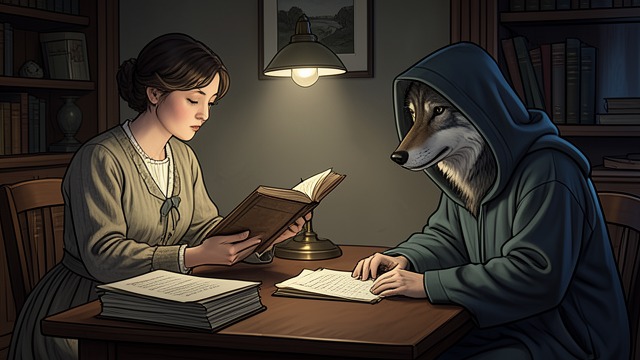
Reading as a Foundation
A lifelong habit
Romy’s reading shapes her humor, her friendships, and her expectations about romance. Books help her escape grief and provide a language for experiences she has not yet lived.
A professional direction
She studies with hopes of working with authors or moving into book-related media. Her online account is both a creative outlet and a possible livelihood.
A story waiting to change
Romy expects romance to follow familiar genre patterns. Her encounters with Kash will make her question those patterns while giving her material of her own.
Experience Outruns Fiction
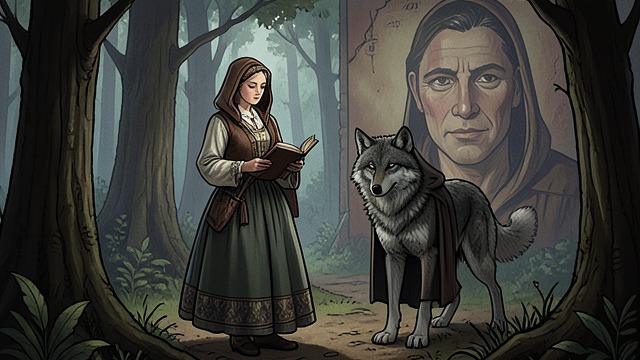
Experience Outruns Fiction
Familiar tropes become real
Romy encounters alphas, mates, transformations, witches, and magical commands, but the reality is more dangerous than the stories she reads. She finds that supernatural characters have grief, laws, and political conflicts beyond romance.
The heroine becomes a participant
Rather than simply observing a story, Romy makes decisions that affect its outcome. She rescues Danielle, resists Brody, and helps direct the pack’s response.
Genre becomes a lens, not a rulebook
Her book references remain part of her voice, but lived experience forces her to revise what she expects. The story’s comedy grows from the gap between familiar tropes and consequential choices.
Writing a New Story

Writing a New Story
Public posts open a door
Romy’s campaign draws an audience, and she begins sharing more original writing. Her personal voice attracts attention beyond staged book photographs.
A platform with boundaries
Romy now understands that the real supernatural world cannot be freely exposed. Writing offers a way to explore experiences without treating every private detail as public evidence.
Creative ownership matters
When a media opportunity appears, Talia insists on protecting Romy’s rights and interests. Success is not only being noticed; it is retaining a say in how her story is used.
A Movie Offer

A Movie Offer
Recognition arrives unexpectedly
Tom Hardy approaches Romy after graduation, having read a sample of her book. He says that his agent is interested in discussing the project and its media rights.
Friends protect the author
Talia immediately asks about financial terms and legal ownership. Kash asserts himself as Romy’s real alpha, while Romy balances amusement with the seriousness of the offer.
Success built from the campaign
The public persona that began as a class project now supports a writing opportunity. Romy’s career advances through the combination of online audience, craft, and friends who help her negotiate.
The Story Reaches the Screen
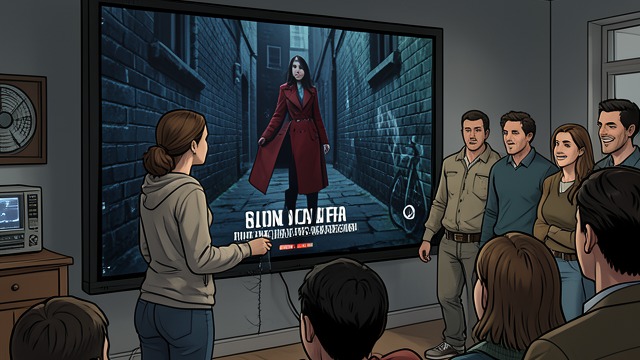
The Story Reaches the Screen
A trailer interrupts ordinary life
During a gathering with her friends, Romy sees a film trailer based on her book. Its narration echoes the opening she wrote about being called the girl who cried werewolf.
A private history becomes art
The trailer condenses the alley encounter, danger, and attraction into images designed for an audience. Romy is stunned by the distance between her lived experience and its commercial adaptation.
Achievement beside belonging
Romy celebrates the success but says she is happy with her life as it is. Career growth matters, yet it does not displace Kash, her friends, and the family she has made.
Before the project assignment
After Romy enters the werewolf pack
After the war and before graduation
At the graduation ceremony
In the epilogue
