
Amaia’s Investigative Instinct
Ofrenda a la tormentaAmaia’s method develops through the tension between forensic proof, intuition, and inherited knowledge of the valley.
increasing Bearing strength in each event
 decreasing
Bearing strength in each eventdecreasingThe Rational Case
The Rational Case
Measurable evidence
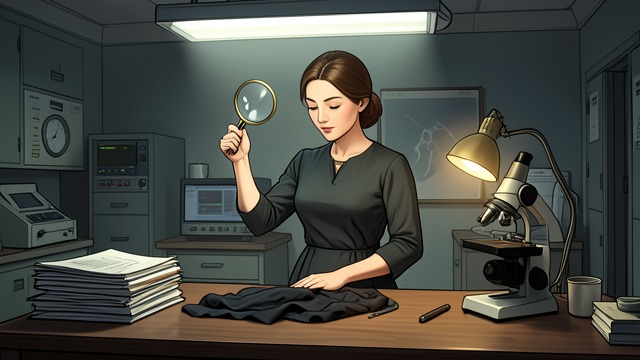
Amaia begins with a forensic mark, fibers, saliva, and a death timeline. Her inquiry follows conventional police methods, despite the family’s references to Inguma.
Folklore remains relevant
She does not accept a demon as the legal explanation. Yet the folklore helps her hear how local people understand the deaths and what patterns they notice.
Intuition Under Pressure
Intuition Under Pressure
An incomplete explanation
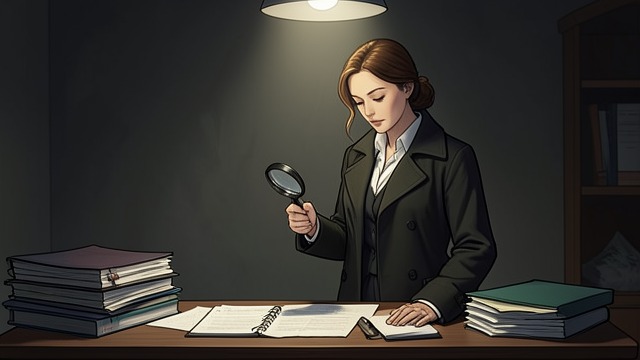
The father’s guilt does not explain the foul trace, the missing corpses, or the phrase “like so many others.” Amaia senses that the case has an unrecognized second layer.
Method and instinct
She treats a hunch as a reason to investigate, not as proof. Her work proceeds by testing the intuition against records, witness accounts, and physical traces.
The River as a Clue
The River as a Clue
A remembered image
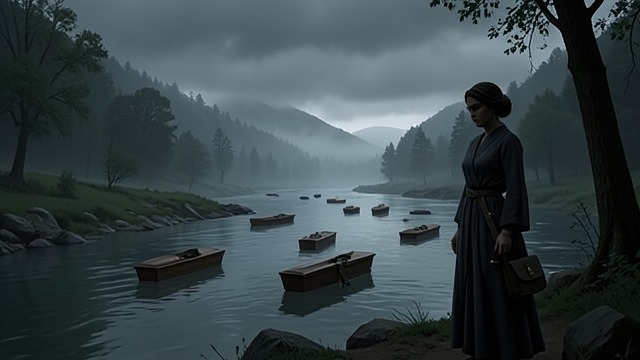
Amaia dreams of empty coffins and hears the demand to clean the river. She later notices that suspicious deaths align with the course of the river.
Geography becomes evidence
The symbolic message does not establish a crime, but it prompts a better map and a wider search. An intuitive image becomes useful when translated into a testable geographic hypothesis.
A Costly Misjudgment
A Costly Misjudgment
The wrong call
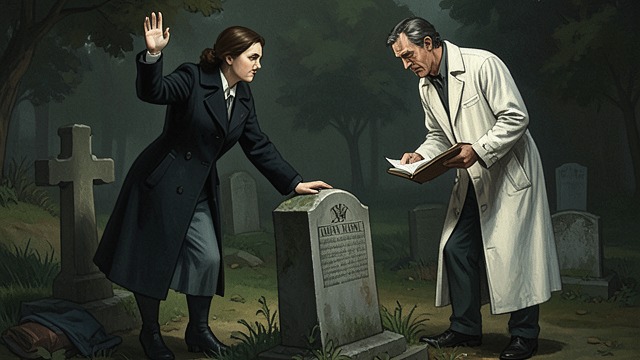
Amaia pursues a French grave inspection without Markina’s agreement. The order is revoked, and Yolanda suffers severe injuries while trying to open the tomb herself.
Accountability
Amaia recognizes that a justified suspicion does not excuse every method. Her confidence falters, and she has to distinguish investigative courage from choices that impose costs on witnesses.
The Final Reassessment
The Final Reassessment
Revisiting assumptions
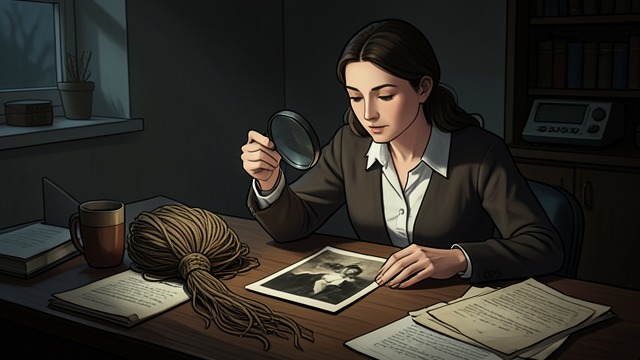
Amaia returns to Jonan’s archive, examines the suspicious coat fiber, and reconsiders the prison photographs. Evidence she once treated as secondary now converges on Markina.
Judgment restored
She combines intuition with forensic confirmation before confronting him. The method is imperfect but survives its hardest test: suspicion becomes evidence at the moment action is required.
at the start of the investigation
after the first false leads
after the dream of empty coffins
after Yolanda’s explosion
during the last investigation
