
Names and Erasure
Ofrenda a la tormentaThe cult’s treatment of children as nameless offerings contrasts with Amaia’s effort to restore identities, graves, and public memory.
increasing Bearing strength in each event
 decreasing
Bearing strength in each eventdecreasingA Child Without a Name
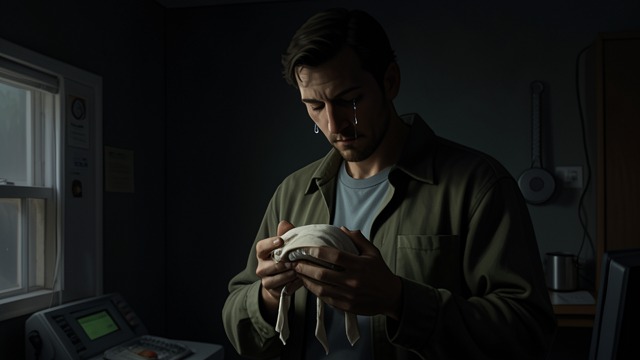
A Child Without a Name
A hidden birth
Yáñez admits that his daughter died within hours of birth and never received a name or baptism. His wife could not forget the child, but the family tried to treat the event as closed.
Identity withheld
The absence of a name mirrors the cult’s effort to detach children from ordinary bonds. Amaia hears a personal confession that exposes a criminal system built on deliberate erasure.
Ainara’s Missing Record

Ainara’s Missing Record
A false journey
The owners of Argi Beltz claim Ainara died in Britain, but official records do not support a hospital stay, death, or burial there. Her birth is the only documented fact.
A life reduced to paperwork
The investigation reveals the gap between a child’s existence and the evidence adults choose to preserve. Missing documents may hide a crime, but they also reflect how easily an unwanted child can be erased.
The Body in a False Coffin
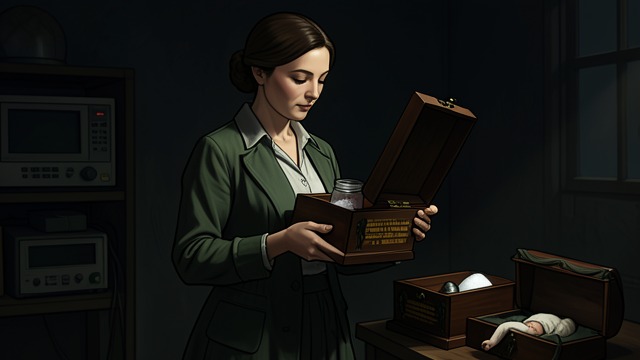
The Body in a False Coffin
A missing child recorded
Haizea’s coffin holds sugar rather than remains, while the twins’ bodies lie in their own containers. The grave gives one child a name but no body.
Mourning denied certainty
Yolanda’s search began because she could not accept the closure imposed by others. The empty coffin makes that refusal intelligible and forces the community to confront what it had dismissed.
The Restored Grave
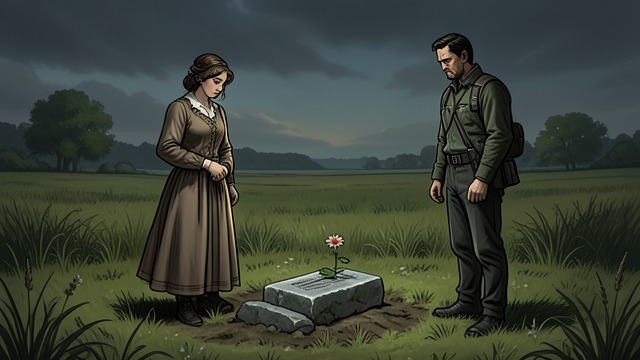
The Restored Grave
Burial as recognition
Amaia tells Benigno Berrueta that the remains of his granddaughter can be buried beside Yolanda. The family will be able to acknowledge the child as more than a missing case file.
A partial return
A grave cannot restore the years stolen from a child or family. It does give the dead a place and the living a truthful act of remembrance.
Ainara Remembered

Ainara Remembered
Beyond the fictional case
The author explains that the novel began with a news report about a child allegedly sacrificed by her parents. The report gave Ainara a name but few other details.
Memory as resistance
The book imagines a face, a family, and a history for a child otherwise reduced to a brief report. Remembering her challenges the silence that allowed the crime to disappear from public attention.
during Amaia’s visit to Yáñez
after the Argi Beltz visit
after the Ainhoa grave is opened
after the cult is uncovered
in the author’s closing note
