Muniartea Bridge
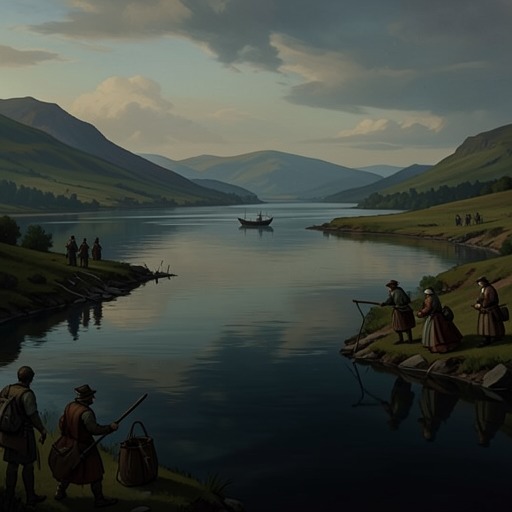
Ofrenda a la tormentaMuniartea Bridge is a crossing over the Baztán River and the setting for a quiet but decisive moment in Amaia Salazar’s aftermath. After the storm, she stops there at the end of the day, touches the cold stone bearing the bridge’s name, and watches the river move beneath her. The place brings the novel’s recurring image of cleansing into direct contact with Amaia’s grief: she cannot know whether the river has washed the offense away, but she lets her tears fall toward its current.
Setting and the River
The bridge stands over the Baztán, whose force has recently been on display. Its waters had risen after a discharge at Erratzu, near the river’s headwaters, and swept away its banks as far as Hondarribia. By the time Amaia reaches the bridge, the river has subsided into a slow, restrained flow. The contrast between the recent devastation and its present calm makes the landscape feel less like a resolved danger than a power temporarily at rest.
Amaia at the Bridge
Amaia stops while driving home in the fading light. She gets out, breathes in the mineral smell of the river, and leans over the railing to watch the water. Then she runs her hand across the cold stone where the bridge’s name is engraved. Her thoughts turn to whether the river is clean now and whether the offense has been washed away; she hopes it has, because she doubts she has strength for another battle. Her tears fall onto the stone and slide toward the water.
Narrative Significance
The bridge gives physical form to a question Amaia cannot settle by investigation alone. The Baztán has carried destruction downstream, yet appears quiet when she stands above it; similarly, the image of cleansing offers the possibility of release without confirming that the harm is undone. The water carries her tears onward, turning a private gesture of grief into part of the river’s inexorable movement. Muniartea Bridge thus marks neither a triumphant resolution nor a simple return to safety, but a moment of exhaustion and uncertain reprieve.