Effanineffable
Old Possum's Book of Practical CatsEffanineffable is the poem’s name for the deepest layer of a cat’s identity: a singular name known to the cat but inaccessible to human inquiry. Its paradoxical sound condenses the poem’s three-name scheme, in which public and individually distinguishing names give way to a private name that remains undisclosed.
Place in the Three-Name Scheme
The poem insists that a cat must have three different names. The first is the everyday name used by the family; the second is a distinctive name belonging to only one cat. Above and beyond those two, there is one more name, which humans cannot guess. Effanineffable belongs to this final, private tier rather than to the ordinary business of calling or identifying a cat.
The distinction between the middle and final names is a distinction of access as well as purpose. The poem says that names of the second kind never belong to more than one cat, making them individually identifying. The third name goes further: human research cannot discover it at all. It is not simply another unusual label available to observers, but knowledge kept within the cat’s own consciousness.
What the Name Means
The poem describes the private name as the cat’s “Deep and inscrutable singular Name.” Its singularity sets it apart from the other names, while “inscrutable” emphasizes the limit placed on human understanding. That limit is not absolute from the cat’s point of view: the cat himself knows the name, but will never confess it. The expression therefore holds two conditions together—knowledge exists, yet it cannot be obtained by anyone looking in from outside.
The phrase “ineffable effable” prepares for Effanineffable by joining apparently opposed qualities. The name is presented as both sayable in the poem’s language and beyond ordinary human expression or discovery. Effanineffable makes that tension compact and memorable: the word gestures toward a name that can be pointed to as a concept, but cannot be supplied as an answer.
Meditation and Secrecy
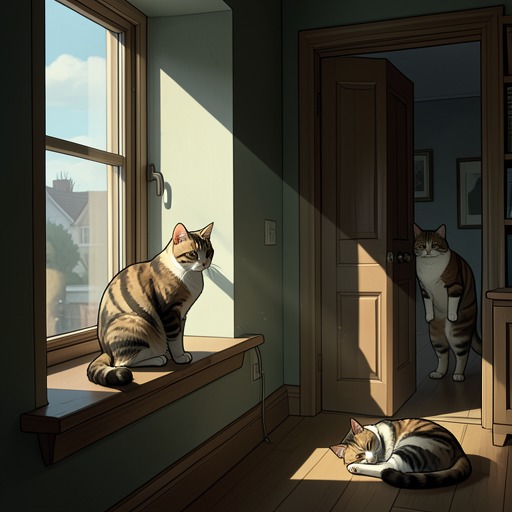
The poem gives the cat’s inward relation to this name a visible sign. When a cat is noticed in profound meditation, the speaker says that its mind is contemplating the thought of its name. The repeated return to that thought makes the hidden name not an incidental secret but the focus of the cat’s most private reflection.
This image also preserves the boundary the poem has established. A human observer may notice the cat’s meditation, and the speaker may explain what it concerns, but neither gains the name itself. The cat’s silence is decisive: the poem reveals that the name exists and that the cat knows it, while withholding its content.
The Expression’s Role
Effanineffable gives a playful verbal form to the poem’s serious rule about identity. The first two kinds of names can be described by who uses them and how they distinguish one cat from another; the third is defined by its resistance to human knowledge. The invented-sounding expression suits that limit, offering a word for the very thing the poem says cannot be disclosed.
The result is a controlled paradox, not a mystery resolved by further investigation. Readers learn the structure of feline naming, the existence of the final name, and the cat’s exclusive knowledge of it, but are denied the name itself. Effanineffable thus marks both the summit of the poem’s naming system and the point where explanation must stop.