
The Persistence of Names and Memory
Old Possum's Book of Practical CatsThis flow traces how names, songs, stories, and repeated refrains preserve feline identities while leaving room for what cannot be known.
increasing Bearing strength in each event
 decreasing
Bearing strength in each eventdecreasingNames Begin the Record
Names Begin the Record
A Public Record
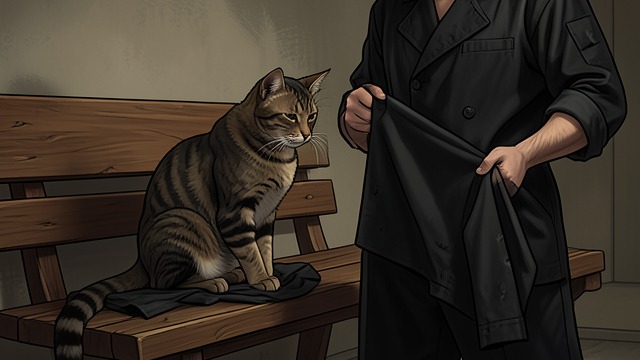
The Naming of Cats introduces everyday names and more particular ones.
Names allow human communities to speak about individual animals.
They provide the collection with a starting language for identity.
The Record Is Incomplete
The poem insists that a cat also has a private name.
No public account can fully record that identity.
The book begins by balancing recognition with mystery.
Songs Make Characters Memorable

Songs Make Characters Memorable
Repeated Traits
The poems attach memorable habits and phrases to particular cats.
Jennyanydots’s nightly work and the Tugger’s reversals become easy to recall.
Repetition gives each character a distinct place in the gallery.
Identity Through Rhythm
Song and refrain preserve qualities that prose description might flatten.
The reader remembers cats through patterns of sound as well as action.
The collection’s form becomes part of its record of character.
Legends in the Village
Legends in the Village
A Long Memory
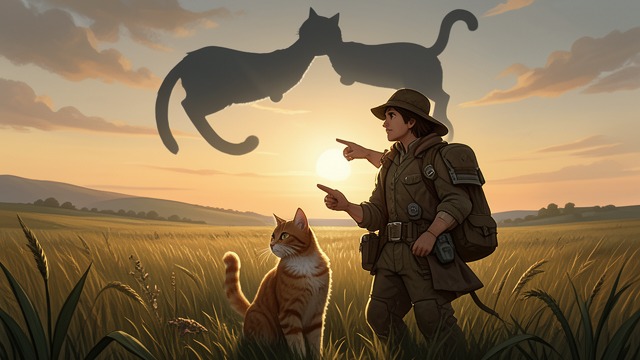
Old Deuteronomy survives in proverb and rhyme across generations.
The village’s repeated stories preserve his public history.
Collective memory makes his age part of communal identity.
The Present Encounter
The Oldest Inhabitant still recognizes him in the present.
A living cat renews an inherited story.
Memory connects past reputation with immediate affection.
Gus’s Personal Archive
Gus’s Personal Archive
Roles Recalled
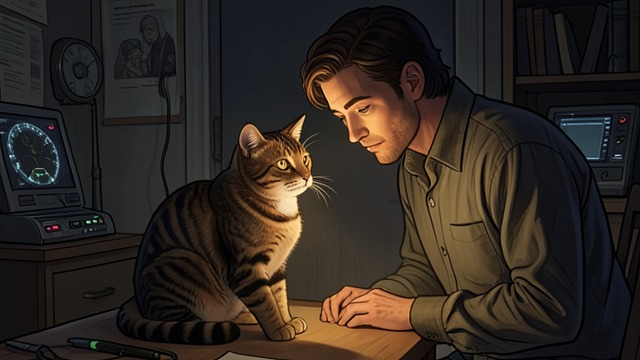
Gus preserves his career by recounting roles and performances to friends.
His memories form a personal archive of theatrical work.
The audience turns recollection into a renewed social event.
Identity Kept Alive
His former fame may belong to the past, but his account remains present.
Stories allow him to define himself beyond his shabby appearance.
Memory sustains a bond between the actor he was and the cat he is.
The Unrecorded Name
The Unrecorded Name
A Final Limit
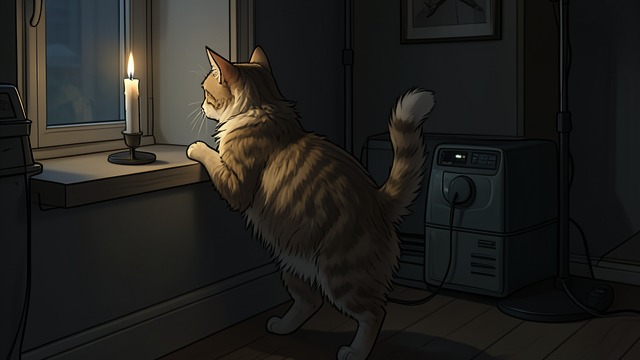
The closing advice teaches people how to approach and address a cat.
Even a trusted relationship does not make every part of the animal public.
The collection’s names and stories remain partial records.
Mystery Preserved
The cat retains an inner name that human language cannot capture.
The book ends with recognition rather than possession.
Its accumulated portraits honor both memory and what remains unknowable.
At the collection’s opening
As the collection introduces its individual portraits
When Old Deuteronomy is recalled
During Gus’s club recollections
At the close of the collection
