
Critique of the Poor Law
Oliver TwistTraces the novel's indictment of the 1834 Poor Law and its cruel treatment of the poor.
increasing Bearing strength in each event
 decreasing
Bearing strength in each eventdecreasingThe Workhouse System
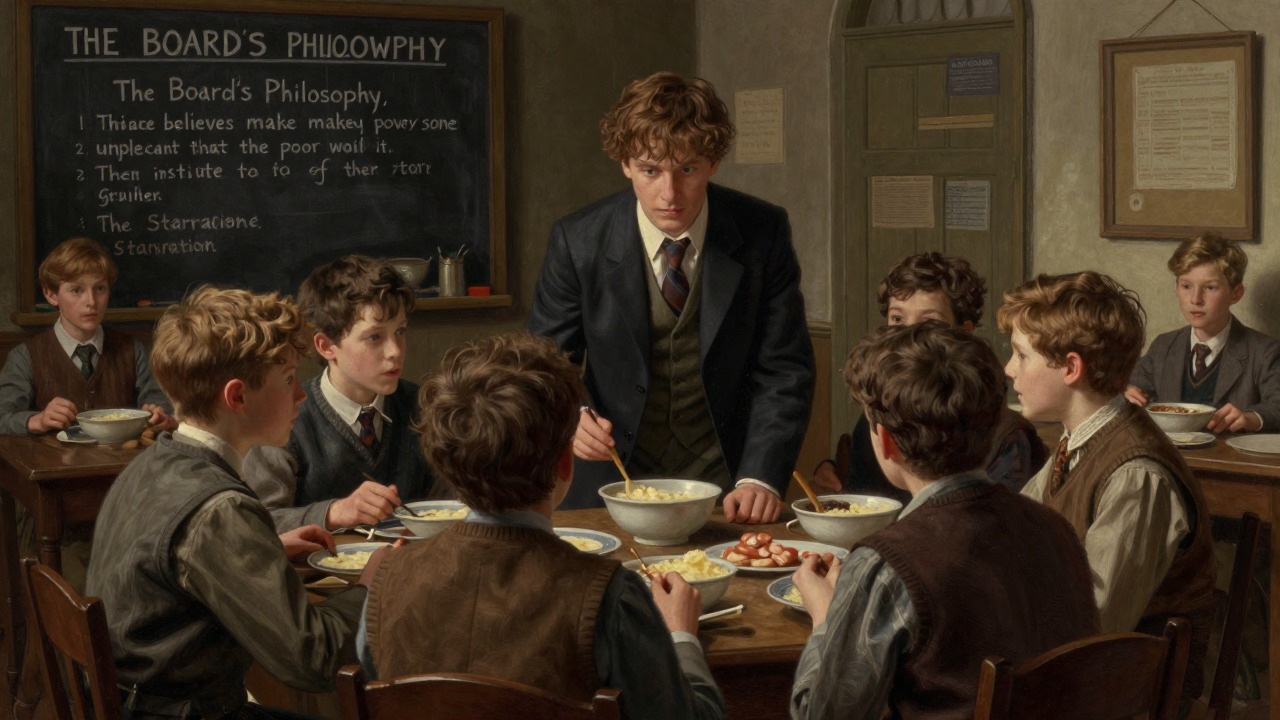
The Workhouse System
The Board's Philosophy
The board believes in making poverty so unpleasant that the poor will avoid it. They institute a diet of thin gruel.
The Starvation
Oliver and the other boys suffer slow starvation. The system is designed to break their spirits.
The Alternative
The board offers the poor a choice: starve slowly in the workhouse or quickly outside. It is a cruel policy.
The Parish Apprenticeship
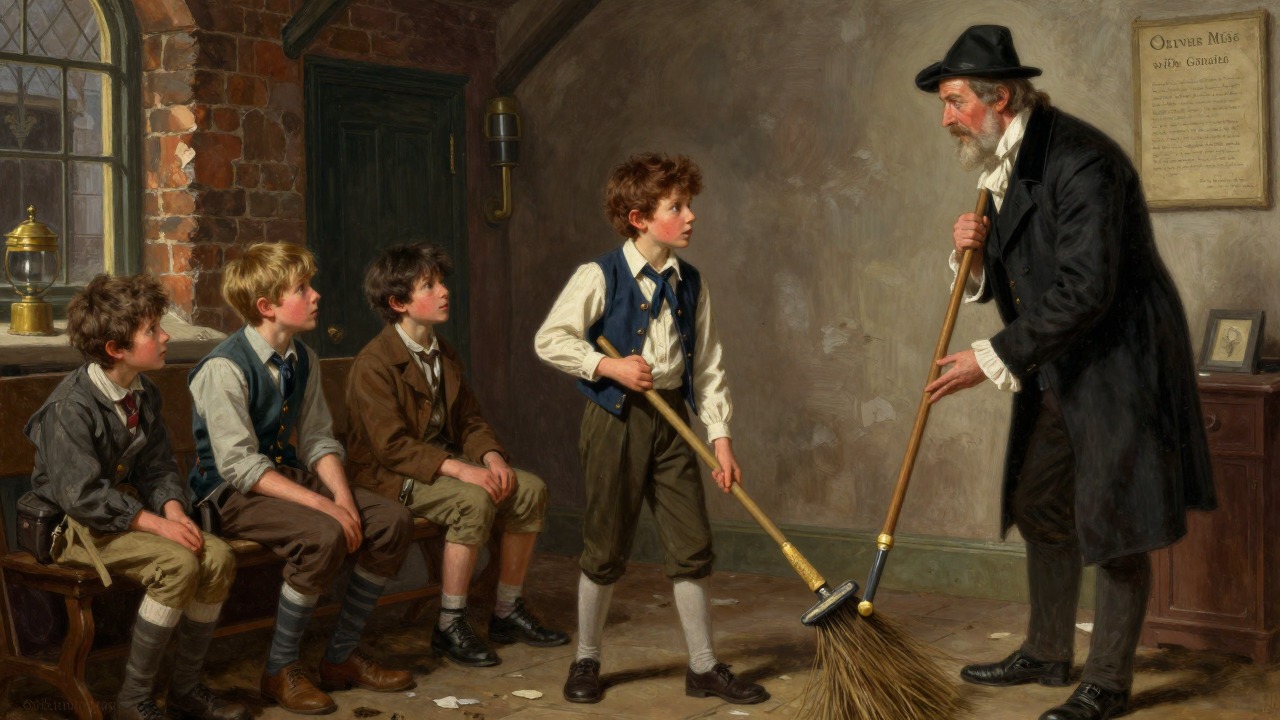
The Parish Apprenticeship
The Commodification of Children
Oliver is apprenticed to Sowerberry, a trade that exploits child labor. The system treats children as commodities.
The Near Miss with Gamfield
Oliver almost becomes a chimney sweep, a dangerous and deadly trade. The magistrate saves him by chance.
The Undertaker's Shop
Oliver works in a grim environment, surrounded by death. The system offers no escape.
The Beadle's Authority
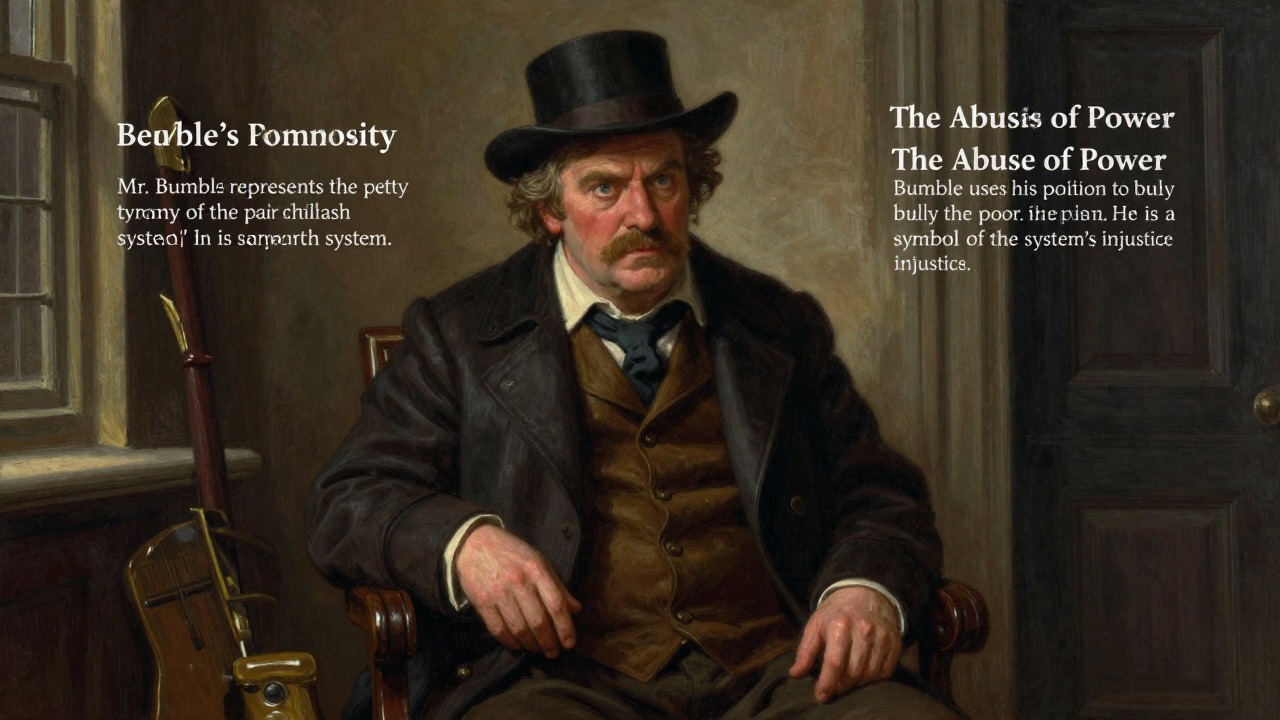
The Beadle's Authority
Bumble's Pomposity
Mr. Bumble represents the petty tyranny of the parish system. He is arrogant and cruel.
The Abuse of Power
Bumble uses his position to bully the poor. He is a symbol of the system's injustice.
The Fall
Bumble eventually becomes a pauper himself. The system that elevated him also destroys him.
The Alternative Vision
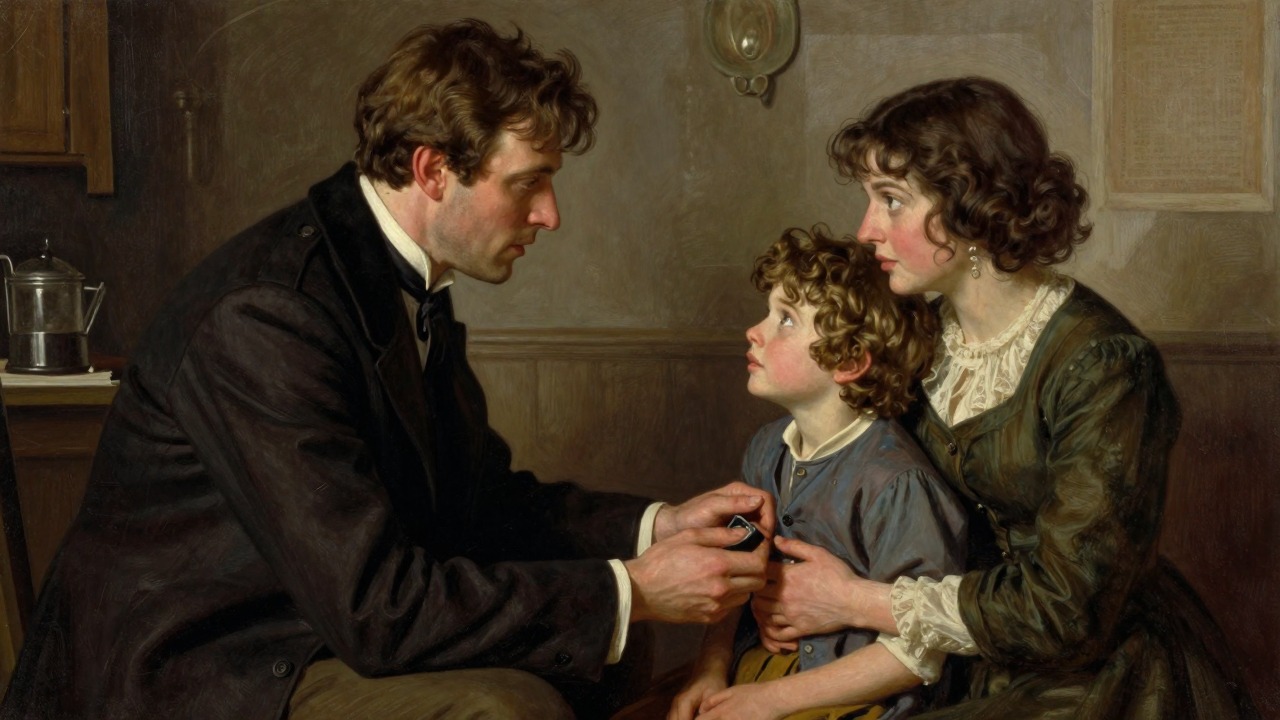
The Alternative Vision
Brownlow's Benevolence
Mr. Brownlow represents a kinder, more just approach. He helps Oliver without expecting anything in return.
The Maylies' Compassion
The Maylies rescue Oliver and treat him as family. Their love contrasts with the workhouse's coldness.
The Moral
The novel suggests that individual kindness, not institutional reform, is the answer to poverty.
Early in the story
After Oliver asks for more
Throughout the early story
Throughout the story
