Folly Ditch
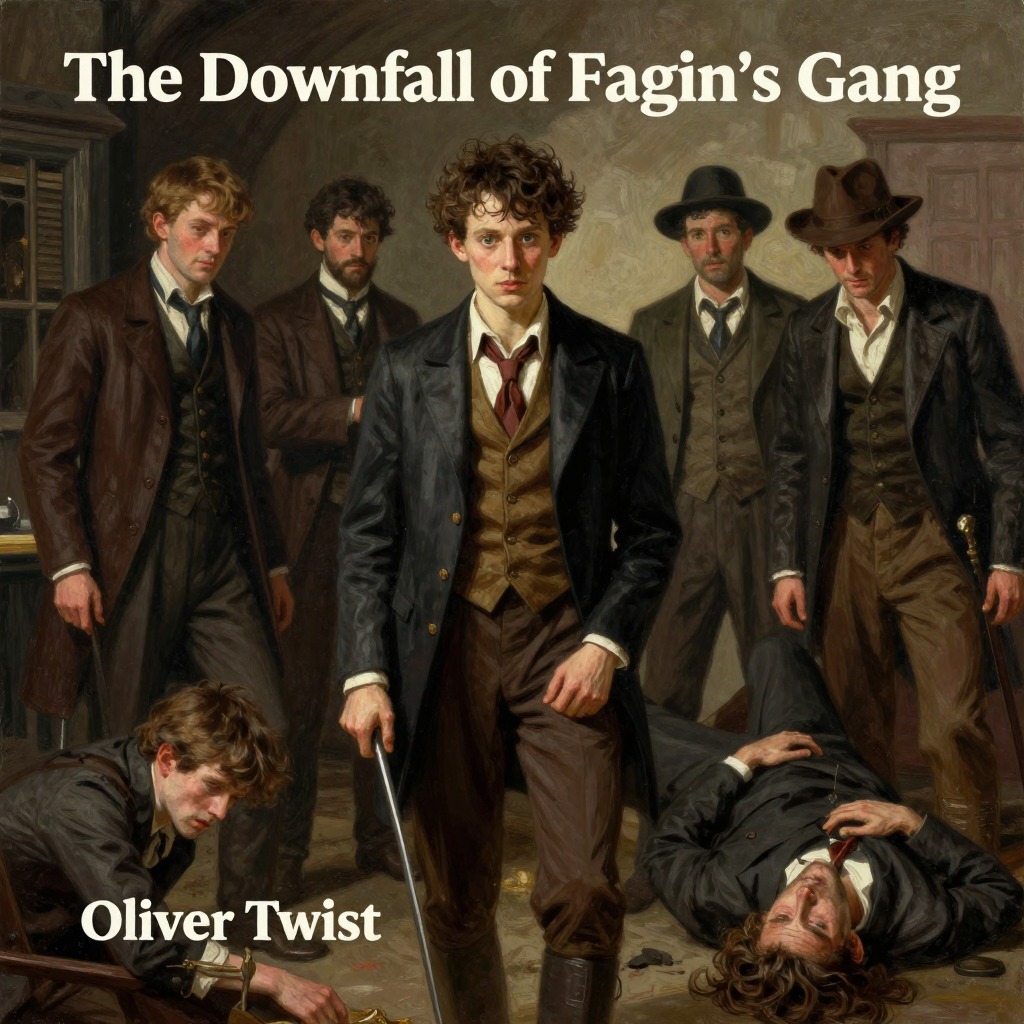
Oliver TwistFolly Ditch is a tidal creek and open sewer in Jacob's Island, Southwark, that serves as the setting for Bill Sikes's final flight and death in Charles Dickens's Oliver Twist. Originally called Mill Pond, it is a filthy, stagnant inlet from the Thames, surrounded by decaying tenements and inhabited by the poorest and most desperate criminals. The ditch becomes the site of Sikes's accidental hanging when he attempts to escape across its muddy bed, and its description epitomizes the novel's depiction of urban squalor and moral decay.
Geography and Appearance
Folly Ditch is a creek or inlet from the Thames, located in Jacob's Island beyond Dockhead in the Borough of Southwark. It is surrounded by a muddy ditch six to eight feet deep and fifteen to twenty feet wide when the tide is in. Originally called Mill Pond, it can always be filled at high water by opening the sluices at the Lead Mills from which it took its old name. At such times, inhabitants of the houses on either side lower buckets, pails, and domestic utensils of all kinds from their back doors and windows to haul up the water. The houses themselves are a spectacle of decay: crazy wooden galleries common to the backs of half a dozen houses, with holes from which to look upon the slime beneath; windows broken and patched, with poles thrust out on which to dry linen that is never there; rooms so small, so filthy, so confined that the air seems too tainted even for the dirt and squalor they shelter; wooden chambers thrusting themselves out above the mud and threatening to fall into it—as some have done. Dirt-besmeared walls and decaying foundations, every repulsive lineament of poverty, every loathsome indication of filth, rot, and garbage, ornament the banks of Folly Ditch.
Surrounding Environment
The area around Folly Ditch is the filthiest, strangest, and most extraordinary of the many localities hidden in London, wholly unknown even by name to the great mass of its inhabitants. To reach it, a visitor must penetrate a maze of close, narrow, and muddy streets thronged by the roughest and poorest of waterside people. The cheapest and least delicate provisions are heaped in the shops; the coarsest and commonest articles of wearing apparel dangle at the salesman's door and stream from house-parapets and windows. Jostling with unemployed labourers of the lowest class, ballast-heavers, coal-whippers, brazen women, ragged children, and the raff and refuse of the river, one makes one's way with difficulty along, assailed by offensive sights and smells from narrow alleys and deafened by the clash of ponderous waggons bearing great piles of merchandise from stacks of warehouses. In streets remoter and less frequented, one walks beneath tottering house-fronts projecting over the pavement, dismantled walls that seem to totter as one passes, chimneys half crushed and half hesitating to fall, windows guarded by rusty iron bars that time and dirt have almost eaten away—every imaginable sign of desolation and neglect.
Role in the Narrative
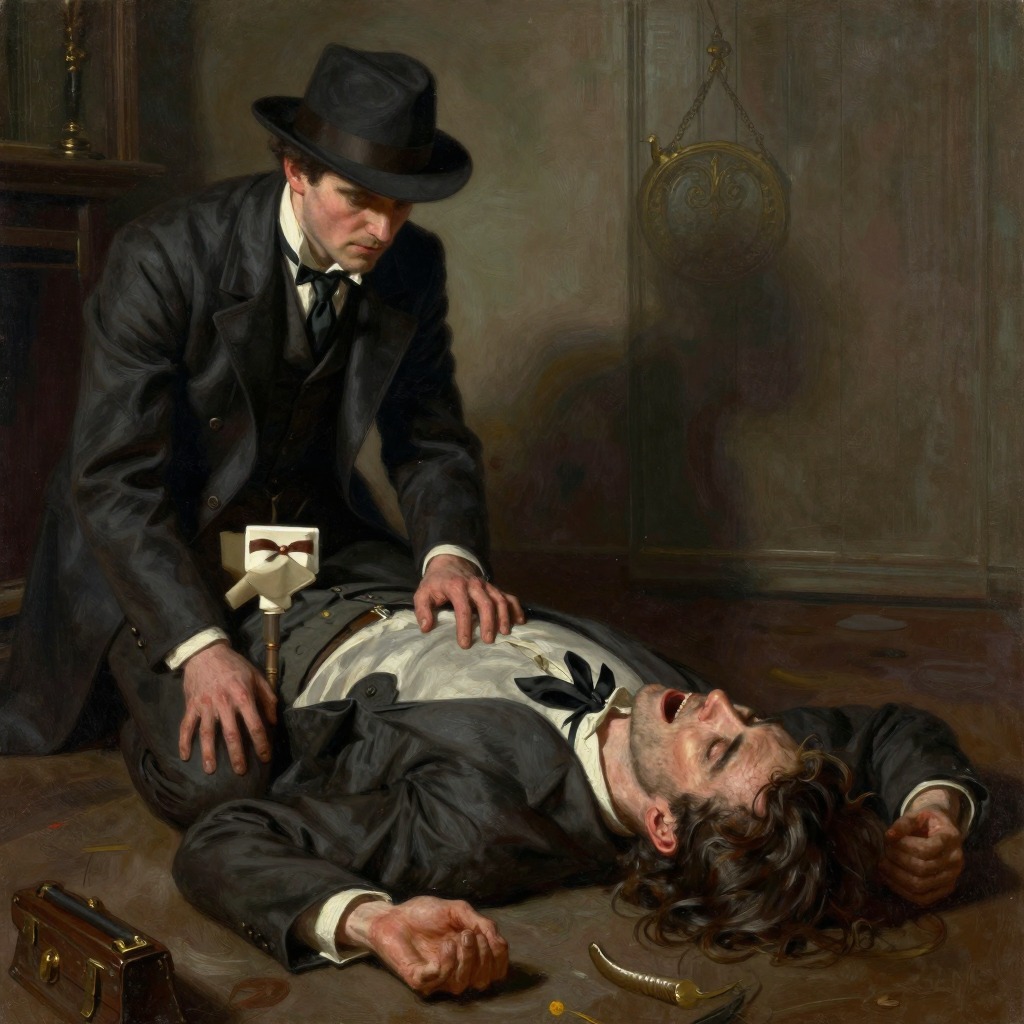
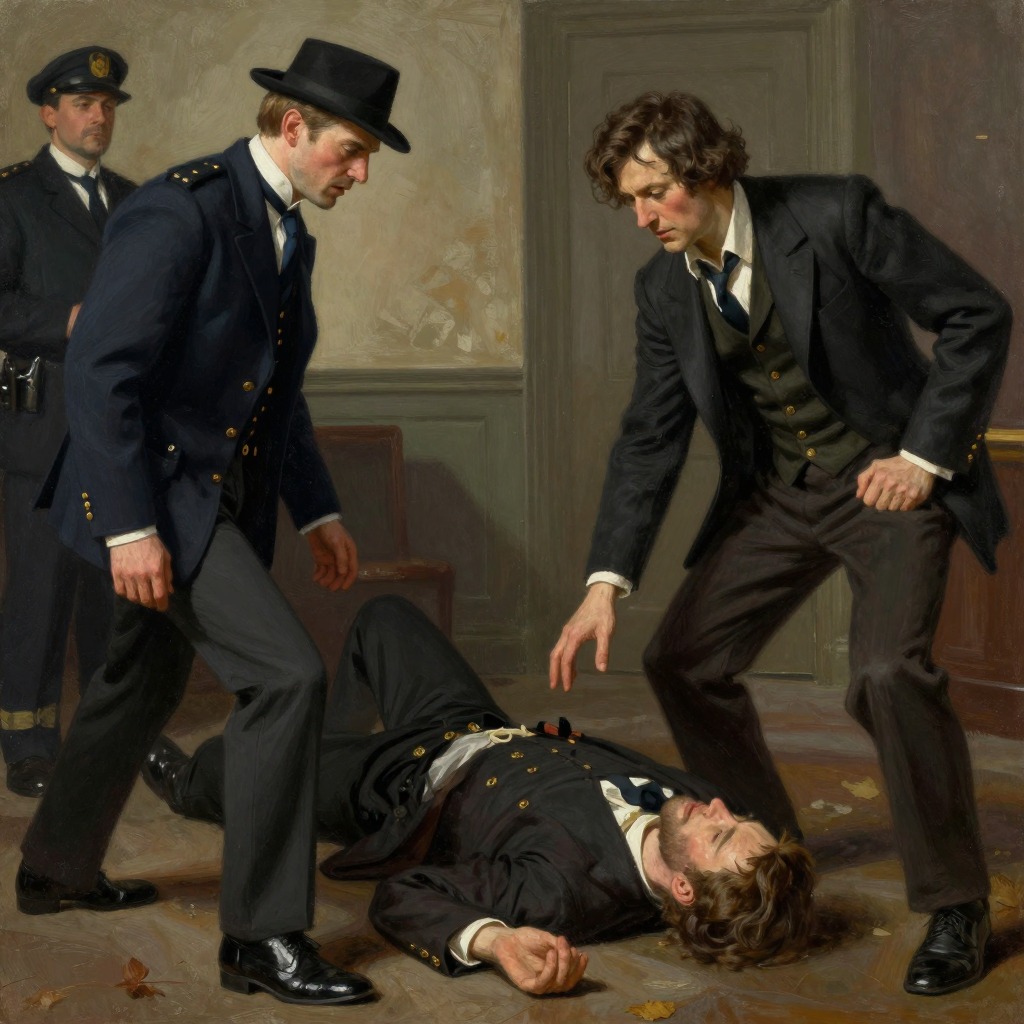
Folly Ditch is the scene of Bill Sikes's final attempt to escape justice. After murdering Nancy, Sikes flees through the countryside but eventually returns to London and seeks refuge in Jacob's Island. He takes shelter in an upper room of a detached house whose back commands the ditch. When the crowd and officers surround the house, Sikes attempts to lower himself from the roof into the ditch, hoping to escape across its muddy bed. He fastens a rope around a stack of chimneys and makes a running noose. At the instant he brings the loop over his head, he sees a vision of Nancy's eyes, staggers, loses his balance, and tumbles over the parapet. The noose catches on his neck, and he falls for thirty-five feet, hanging lifeless against the wall. The water is out, and the ditch is a bed of mud. Sikes's dog, Bull's-eye, jumps for the dead man's shoulders, misses his aim, falls into the ditch, and dashes out his brains against a stone.
Thematic Significance
Folly Ditch represents the ultimate degradation of London's criminal underworld and the inescapable consequences of violence. Its description as a place where "the warehouses are roofless and empty; the walls are crumbling down; the windows are windows no more; the doors are falling into the streets; the chimneys are blackened, but they yield no smoke" mirrors the moral decay of the characters who inhabit it. The ditch's transformation from a thriving mill pond to a desolate island reflects the broader social and economic decline of the area. Sikes's death in the ditch—accidental yet fitting—underscores the novel's moral logic: the murderer is brought down not by human justice but by his own guilt and terror, and his body ends in the filth that has always been his true home.