
The American West Reconsidered
On the RoadThis flow traces how Sal Paradise’s romantic image of the West is repeatedly revised by real people, labor, poverty, and commercial spectacle.
increasing Bearing strength in each event
 decreasing
Bearing strength in each eventdecreasingThe Red-Line Fantasy
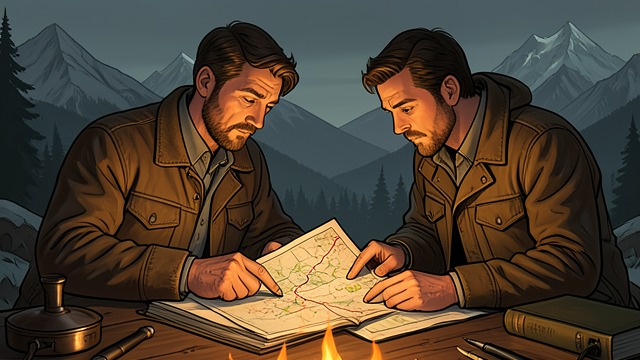
America on a Map
Imagination
Sal Paradise studies maps and dreams of following Route 6 across the country, treating the West as a clear destination and the road as a promise.
Revision
The failed start at Bear Mountain immediately challenges his confidence in a single route.
The Western Laugh
A Living West
Encounter
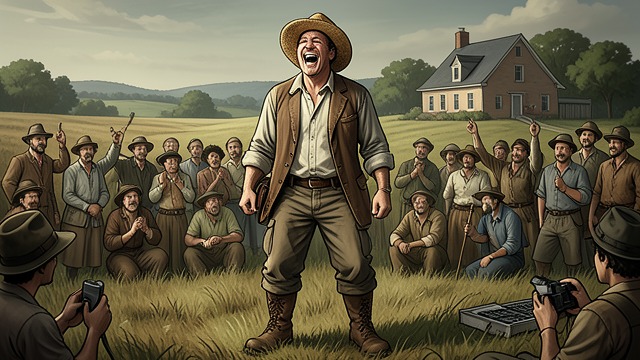
A Nebraska farmer’s enormous laugh gives Sal Paradise a stronger sense of the West than any scenic image or legend.
Meaning
The region becomes a human presence, embodied in work, humor, and hospitality rather than a mythic frontier alone.
The Festival’s Performance
The West on Display
Spectacle
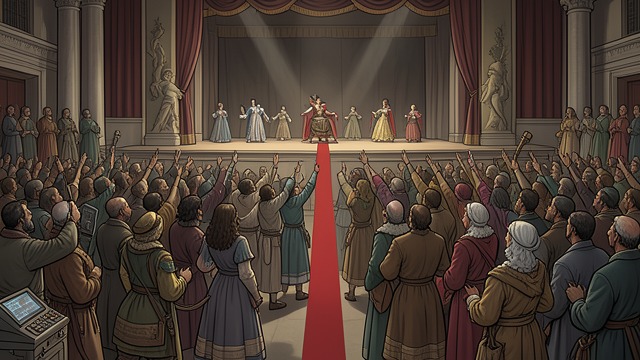
Sal Paradise finds Wild West Week in Cheyenne, where tourists and businessmen perform a stylized frontier identity with costumes and blank guns.
Disillusionment
The celebration exposes the distance between western history and the commercial image designed to preserve it.
Cotton-Field Reality
Labor Beneath the Landscape
Work
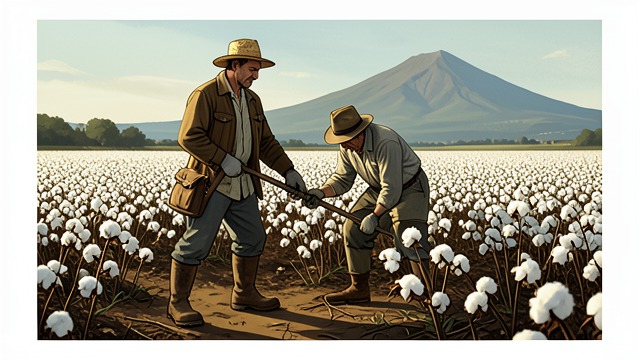
Sal Paradise picks cotton beside migrant families in the San Joaquin Valley. The mountains remain beautiful, but daily earnings barely cover food.
Reconsideration
The West’s promise of open opportunity is complicated by poverty, physical hardship, and limited choices.
The Last Horizon
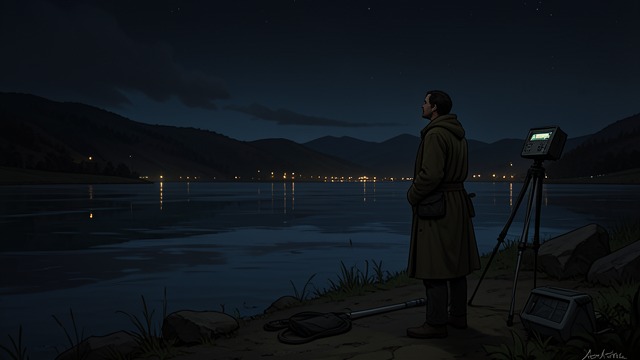
The West Remains Ahead
Distance
From New Jersey, Sal Paradise imagines the raw land rolling toward the Pacific Ocean and the many people dreaming across it.
Meaning
The West has ceased to be a guaranteed destination; it persists as a horizon of desire, memory, and uncertainty.
Before Sal’s first departure in 1947
Crossing Nebraska in 1947
The night Sal reaches Cheyenne
October 1947, in California
At the close of the novel
