New Orleans
On the RoadNew Orleans is a vivid waypoint in the westward journey of Sal Paradise and Dean Moriarty, where the road’s momentum meets the Gulf South’s river air, music, and crowded streets. The city briefly appears as a promise of sensation and pleasure, then gives way to Old Bull Lee’s home outside town and the onward drive west.
Arrival and the city at night
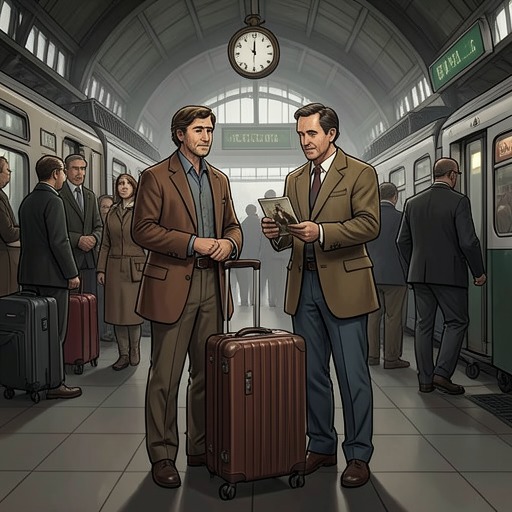
The travelers approach New Orleans along the Gulf, with a radio program of New Orleans jazz announcing the city before they reach it. Dean Moriarty greets the night arrival with exuberance, leaning out of the car, calling attention to the people and searching the streets for women. His excitement makes the city seem almost physical: river, mud, molasses, and humid air replace the dry cold of the North. Rather than pause to settle in, the group plunges into the city’s movement, with Dean treating each passing sight as an invitation to keep going.
Crossing the Mississippi
The party takes the car onto the Algiers ferry and crosses the Mississippi River by boat. Dean urges the others to get out and experience both the river and the people around them. The crossing shifts the scene from the busy streets to the broad, muddy water and the quiet settlement of Algiers, with its shanties, bees, and vulnerable-looking shoreline. The river is not merely a route across town: its scale and presence briefly interrupt the group’s restless forward motion before they return to the road.
Old Bull Lee’s house and its counterpoint
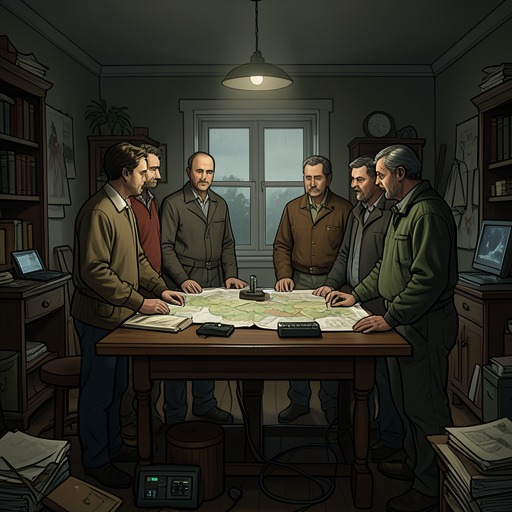
After cleaning up at a gas station and asking after Old Bull Lee, the travelers go to his house outside town, near the river levee. The approach is through a swampy field; the dilapidated house has sagging porches, weeping willows, tall grass, leaning fences, and collapsed barns. Jane Lee meets Sal Paradise at the screen door and tells him Bull is not there. Later, Dean and Sal press Bull to show them New Orleans, hoping for a lively night out. Bull instead calls the town dull, says the bars are dreary, and points to the legal restriction against entering the Black section. His response sharply opposes Dean’s appetite for immediate excitement with a skeptical account of the city’s segregated nightlife.
Place in the journey
New Orleans is a pause rather than a destination. Its radio music, nocturnal streets, ferry crossing, and river landscape give the travelers a concentrated encounter with the region, while the visit to Bull’s house supplies a more domestic and critical counterpoint. The party soon turns west again, following the Mississippi through Louisiana in darkness. In the larger road narrative, the city marks a passage between Dean’s ecstatic immersion in whatever lies ahead and the material conditions—segregation, fatigue, and limited money—that shape what the travelers can actually do.