
The Making of a Villain
Once Upon a Time in HollywoodThis thread follows Rick Dalton's effort to understand the craft and career meaning of playing Caleb DeCoteau, a villain whose humanity is tested by his scenes with Mirabella.
increasing Bearing strength in each event
 decreasing
Bearing strength in each eventdecreasingA Part Worth Taking
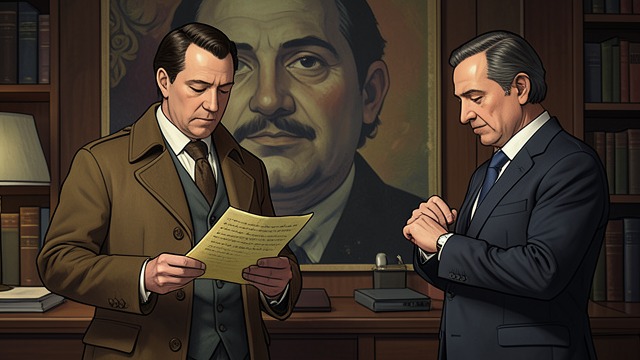
A Part Worth Taking
A substantial guest role
Rick learns that Caleb DeCoteau is more than a routine heavy. The character has strong dialogue and an important place in the pilot's story.
The work has two sides
The role offers Rick a chance to act in a serious production, but he dislikes playing villains who lose to the lead. He approaches the part with both professional interest and wounded pride.
The Costume Dispute
The Costume Dispute
A changed appearance
Sam Wanamaker wants Caleb to look contemporary, suggesting a long-haired, rough-edged style rather than a familiar television-western outfit. Rick worries that the disguise will hide his face.
Acting without recognition
Wanamaker argues that transformation is part of the craft. Rick is not entirely persuaded, but the discussion introduces the possibility that becoming unrecognizable may help him leave his old image behind.
The Villain's Terms
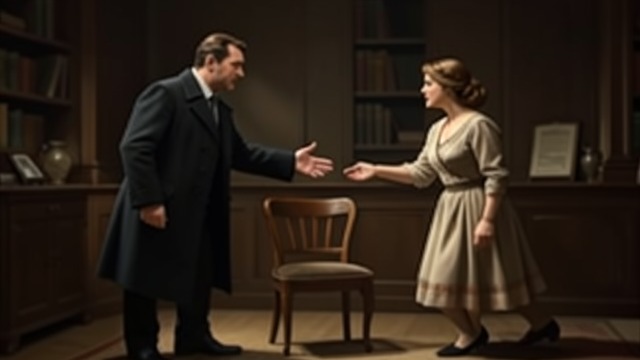
The Villain's Terms
A firm commitment
Rick tells Trudi Frazer that Caleb would kill Mirabella if the ransom failed. He believes a villain should be played as truly dangerous rather than secretly harmless.
A complication emerges
Trudi asks whether Caleb's feelings could alter his actions. Rick has to consider the difference between the broad dramatic function of a villain and the particular human being he is performing.
The Throne of Denmark
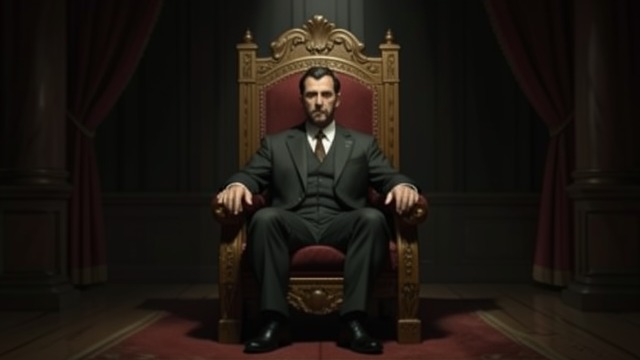
The Throne of Denmark
A director's analogy
Sam Wanamaker tells Rick to imagine Caleb as a powerful, mad ruler in a Shakespearean tragedy. Rick struggles to follow the references but responds to the concrete instruction to occupy the chair as a throne.
Confidence through image
The theatrical framing gives Rick a way into the scene even when the literary comparisons are unfamiliar. The chair becomes a practical tool for authority rather than an idea he must fully understand.
The Threat Made Real
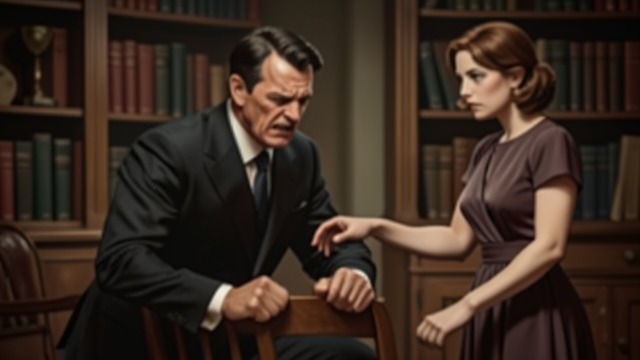
The Threat Made Real
An emotional improvisation
Rick's rehearsal with Trudi Frazer grows more forceful as Caleb defends his claim to the ransom. Rick improvises that he would cut off his arm to recover Mirabella.
A character comes into focus
The line surprises Rick because it reveals a feeling beyond greed without undoing Caleb's menace. Trudi's response shows how a shared rehearsal can uncover a character neither actor had fully anticipated.
Before Rick begins the Lancer pilot
February 8, 1969, in the makeup trailer
During Rick and Trudi's first substantial character discussion
February 8, 1969, before the ransom scene
Near midnight on February 8, 1969, during the phone rehearsal
