
Rick's Mentors and Professional Memory
Once Upon a Time in HollywoodThis thread traces how Rick Dalton's memories of Paul Wendkos and William Witney preserve a sense of craft even as his career becomes uncertain.
increasing Bearing strength in each event
 decreasing
Bearing strength in each eventdecreasingA First Named Role
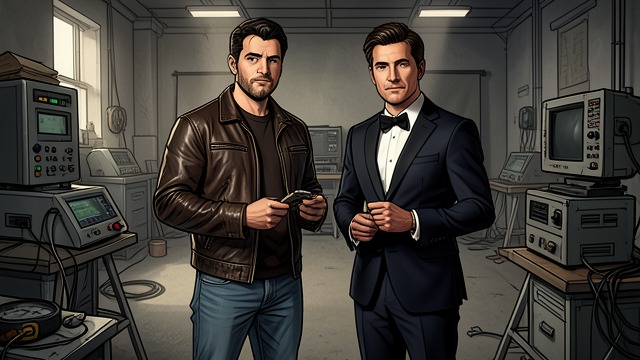
A First Named Role
A practical opportunity
William Witney gives Rick a real character part and later a lead in a Republic hot-rod film. Rick remembers the director as a person who opened doors rather than simply completed assignments.
Gratitude preserved
Rick's admiration is rooted in what Witney did with limited time and resources. He sees the director's efficiency as a form of care for the work and the people performing it.
The Fistfight Philosophy
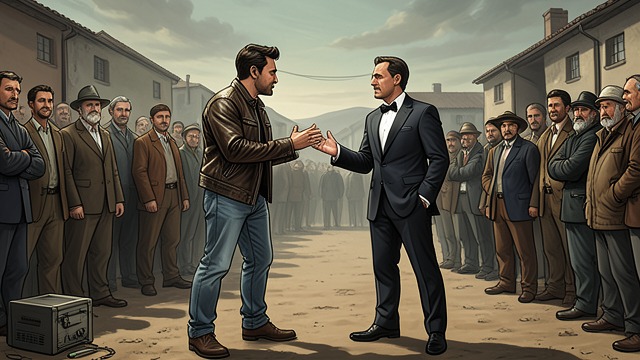
The Fistfight Philosophy
Action added to a scene
Witney believes many scenes improve when a fight is introduced. He interrupts a quiet exchange between Rick and Burt Reynolds, has them strike one another, and calls the result a real scene.
A craft lesson that lasts
Rick remembers the moment as an example of action directing that has imagination as well as speed. The story helps him describe what an experienced director can give performers under pressure.
Wendkos Remembers Rick
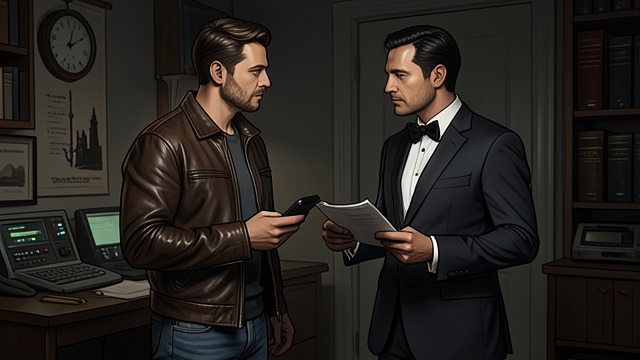
Wendkos Remembers Rick
A call from an old mentor
Paul Wendkos contacts Rick about a World War II film after Rick has spent years away from feature work. Their professional relationship has survived a period of silence.
An opening returns
Wendkos offers Rick a leading part in Hell Boats, giving him another chance to work in a studio production. The call connects past trust to a possible future beyond episodic villain roles.
A Role Passed and Replaced
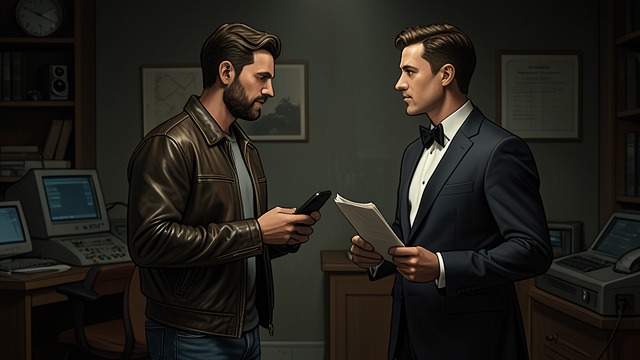
A Role Passed and Replaced
An earlier missed chance
Paul Wendkos once wanted Rick for a leading part in a Magnificent Seven sequel, but Rick's Universal contract and work on a children's movie made him unavailable.
The relationship continues
Wendkos finds another place for Rick later, and the two eventually work together again. Their connection gives Rick evidence that a career can include missed chances without every door permanently closing.
Professional Stories as Shelter
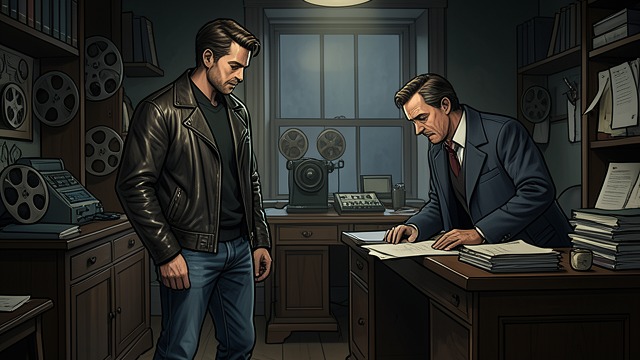
Professional Stories as Shelter
Recalling the people who helped
Rick tells old stories about Witney, Wendkos, and colleagues who taught him how to work. Repetition is part of his social manner, but the memories also keep his professional life connected to its better years.
Experience becomes an asset
His accounts show that Rick's career contains more than failure or bad luck. Mentors and collaborators have shaped his skills, and those skills remain available even when the industry no longer treats him as a star.
Early in Rick's career, before Bounty Law
During Rick's early work with William Witney
Seven months after February 1969
Several years before the 1969 pilot
February 8, 1969, while Rick waits on the Lancer set
