
Rick Dalton Rebuilds His Career
Once Upon a Time in HollywoodThis thread follows Rick Dalton from the painful recognition of his decline toward a more flexible, grateful approach to acting.
increasing Bearing strength in each event
 decreasing
Bearing strength in each eventdecreasingThe Career Reckoning
The Career Reckoning
A blunt assessment
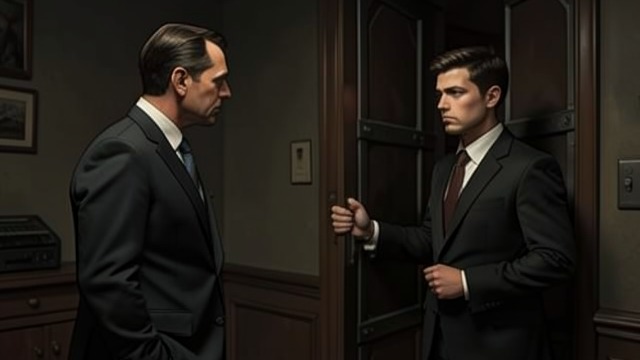
Marvin Schwarz tells Rick Dalton that his American television fame has not translated into lasting feature-film success. In Italy, he is likely to be hired as a substitute for Steve McQueen, not as the first choice.
The value of the shock
Rick breaks down because he hears the truth as a verdict on his whole career. Marvin instead treats the meeting as a possible beginning: the next stage will require humility and reinvention.
The Heavy's Mirror
The Heavy's Mirror
An unwanted role
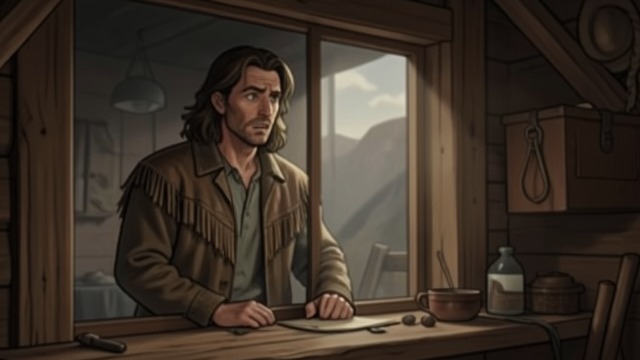
As Caleb DeCoteau, Rick wears long hair, a mustache, and a fringed jacket that make him look unlike his familiar television-cowboy self. At first, the disguise feels like another sign that the industry has moved on without him.
A possible new image
Seeing himself in the western set's window, Rick begins to understand that the altered appearance can help him escape his old type. The costume may be a practical experiment in becoming a different kind of screen presence.
The Lancer Partnership
The Lancer Partnership
Performance under pressure
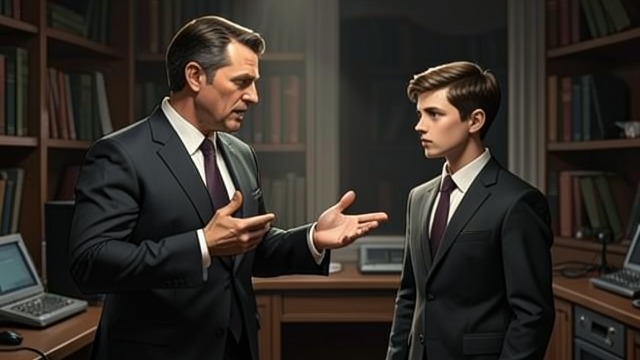
Rick struggles with his lines and becomes furious with himself, especially because he must work opposite a young actor who treats preparation seriously. Their conversations force him to think through Caleb rather than merely deliver the dialogue.
Respect earned in the scene
Rick follows Trudi Frazer's request to make the kidnapping scene genuinely frightening. Her praise gives him a rare, immediate measure of success: he has helped another actor do better work, and his own performance has held up.
The Choice of Rome
The Choice of Rome
A concrete offer
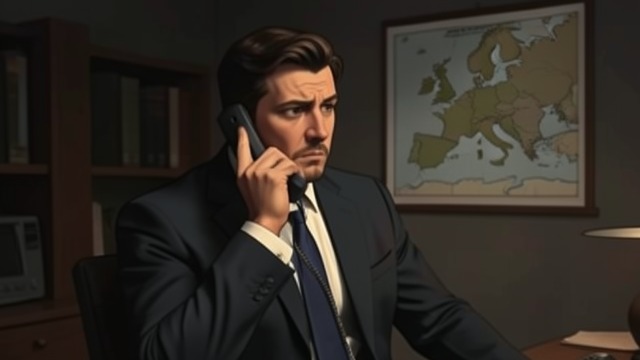
Marvin Schwarz calls with an invitation to meet director Sergio Corbucci about an Italian western. Rick instinctively dismisses the genre, still preferring the American westerns that shaped his career.
A narrow opening
Marvin argues that Rick cannot afford to reject work simply because it does not match his ideal career. The decision remains unresolved in the conversation, but Rick has been made to see that staying still is also a choice with consequences.
Gratitude Recovered
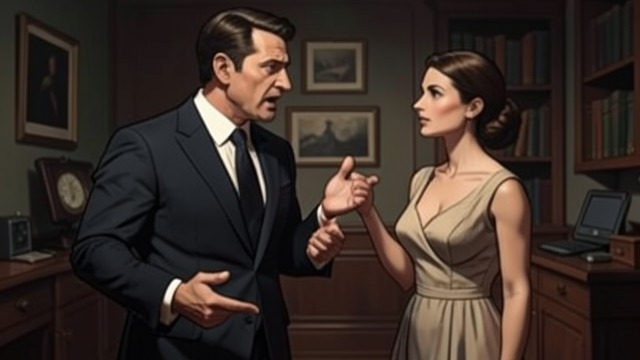
Gratitude Recovered
A scene becomes personal
Rick and Trudi Frazer rehearse the Lancer ransom scene by telephone. As Rick plays Caleb, the role's threats and tenderness draw out an intensity that he had not managed during the workday.
A changed perspective
After they finish, Rick recognizes how much his career has already given him: colleagues, travel, work, and a home. The recognition does not solve his professional uncertainty, but it loosens the self-pity that has been governing his choices.
February 7, 1969, at the William Morris Agency
February 8, 1969, during the Lancer pilot shoot
February 8, 1969, during Rick's scenes with Trudi Frazer
Late on February 8, 1969, during Marvin's telephone call
Near midnight on February 8, 1969, during the telephone rehearsal
