
Fear as Institutional Leverage
One Flew Over the Cuckoo's NestThis conflict thread traces how threats, stigma, and patient dependency keep resistance under control until shared action disrupts them.
increasing Bearing strength in each event
 decreasing
Bearing strength in each eventdecreasingThreat of the Chronic Side
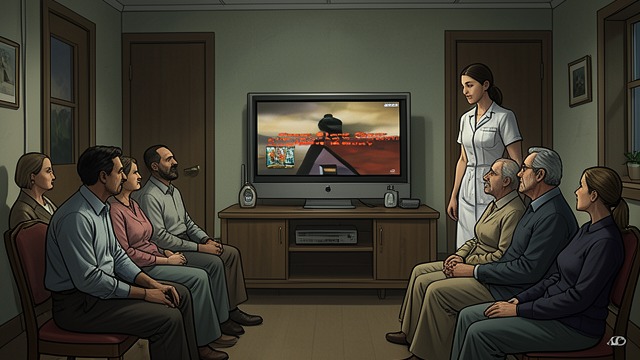
Threat of the Chronic Side
Fear of Becoming Chronic
Acute patients are kept apart from Chronics, whose condition serves as a warning of what disobedience might bring. The division encourages fear rather than solidarity.
Compliance Reinforced
Nurse Ratched can point to the Chronics when patients sulk or resist. The ward turns one group's vulnerability into leverage over another.
Confession as Pressure
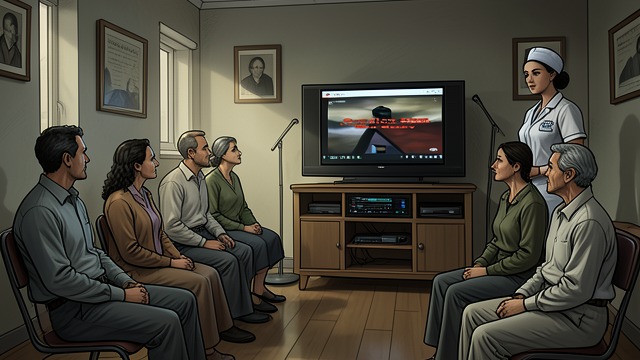
Confession as Pressure
Private Life Exposed
Group meetings invite patients to disclose intimate matters while others record what they hear. The process is presented as therapeutic, but it also makes patients vulnerable to scrutiny.
Shame Multiplied
Patients become participants in one another's humiliation. McMurphy recognizes the pattern as a group attack rather than mutual care.
The Commitment Trap
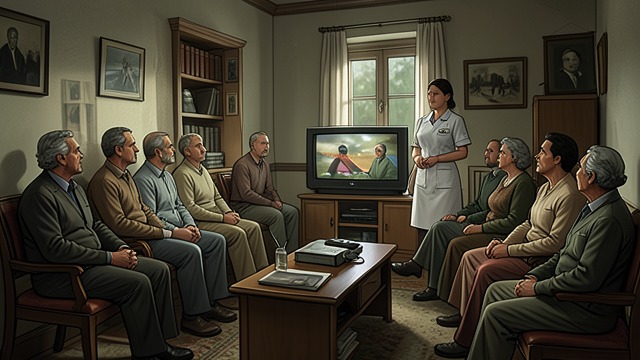
The Commitment Trap
An Uncertain Release
The lifeguard explains that a committed patient has no fixed release date. McMurphy realizes Nurse Ratched may keep him in the hospital indefinitely.
Fear Changes Conduct
McMurphy stops openly backing some patient protests and tries to protect his own future. His caution reveals the power of a threat that does not need to be carried out immediately.
Billy's Shame Used

Billy's Shame Used
Maternal Pressure
Ratched reminds Billy that she is his mother's friend and that his behavior will distress her. The words restore the dependence that Billy had briefly escaped.
A Fatal Result
Billy's collapse and death show how psychological leverage can be more powerful than a physical restraint. The confrontation pushes McMurphy toward direct violence.
Fear No Longer Isolates

Fear No Longer Isolates
A Changed Ward
Ratched returns injured, and the patients meet her together rather than responding as isolated individuals. Her written assurances fail to restore the old confidence.
A Dangerous Freedom
Patients begin leaving or transferring, while those who remain act with greater independence. The struggle has not removed fear, but it has weakened its power to isolate them.
During Chief Bromden's early account
During Harding's group discussion
After McMurphy speaks with the lifeguard
The morning after the midnight party
After McMurphy's attack
