McMurphy’s wager against Nurse Ratched
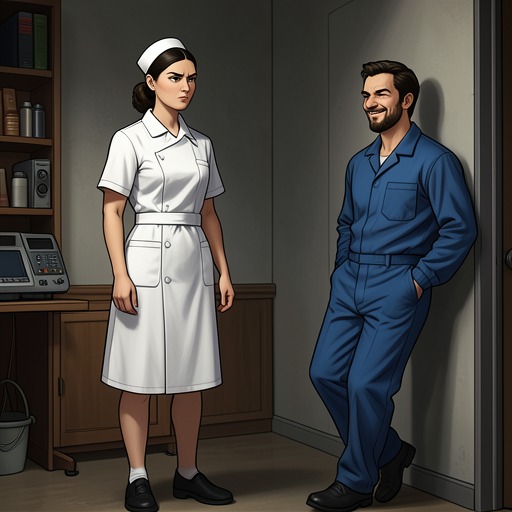
One Flew Over the Cuckoo's NestRandle Patrick McMurphy’s wager against Nurse Ratched turns a ward full of fear and wary admiration into a public challenge. He bets that he can unsettle her within a week without losing his temper or giving her grounds to send him to the Disturbed Ward or the Shock Shop. The wager brings the Acutes into a shared act of defiance, but its promise of a clever contest is shadowed by a harsher fact: the institution can make resistance costly, and McMurphy eventually learns that his own commitment puts him at greater risk than most of the men who bet on him.
The limits the patients describe
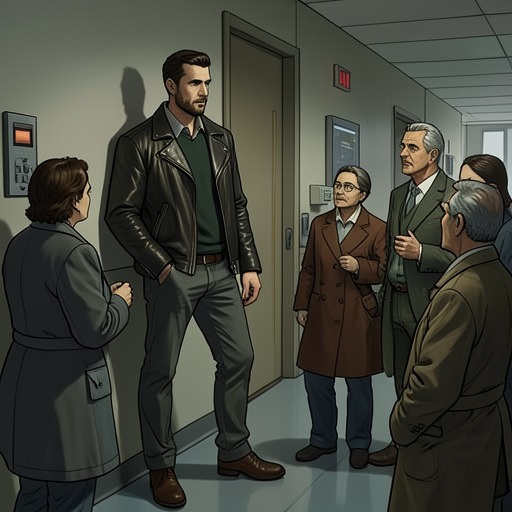
The bet grows out of a conversation about how Nurse Ratched exercises power. McMurphy asks whether she can have a patient sent upstairs only after he gives her a reason—by cursing her, breaking a window, or otherwise losing control. The patients’ answer makes the distinction between provocation and punishment crucial: in their account, she needs an offense that can justify restriction or electroshock treatment. Fredrickson speaks from experience, saying he has been listed as potentially assaultive and sent to the Disturbed Ward three times. Patients there, he explains, do not leave for the Saturday afternoon movie and do not even have a television. That warning gives the wager its precise terms. McMurphy does not propose simply to attack Nurse Ratched or openly break ward rules. He asks whether he can beat her at her own game while behaving pleasantly enough to deny her a legitimate pretext. Dale Harding stresses that this would require McMurphy to keep his temper, an especially difficult task given his red hair and criminal record. The challenge is therefore not only whether McMurphy can irritate the nurse; it is whether he can do so without letting anger turn her institutional authority into a sanction against him.
The bet takes shape
McMurphy first tests the danger by asking whether Nurse Ratched could still send him for electroshock if he approached her politely while insinuating his objections. Once the others assure him that he is safe so long as he maintains control, he rubs his palms together and asks how many of them are willing to stake money on his success. His offer is five dollars against the patients’ money: he will have Nurse Ratched so unsettled before the week is out that the men can judge for themselves whether he has won. He presents the proposal without dressing it up as a noble cause. He likes gambling and winning, he says, and recalls that at Pendleton Work Farm the men would not even risk pennies against him because he won so often. He also admits that he came to the hospital looking for new people to gamble with. He had learned something about the ward in advance and knew that nearly half the patients received compensation of three or four hundred dollars a month with little to spend it on. His plan, as he describes it, is to profit while making life richer for both sides. That disclosure makes the wager deliberately double-edged: it is a bid to challenge Nurse Ratched, but also a scheme by a practiced gambler to take advantage of the men’s idle funds. The patients do not all understand the proposal at once. Cheswick responds eagerly, while Harding and others remain uncertain. McMurphy keeps the wager concrete: Harding writes on a pinochle pad, and McMurphy offers a lien on ten dollars of the money held under his name in Funds. The other Acutes take turns writing their bets; McMurphy gathers the slips and holds them stacked against his palm. When he asks whether they trust him to hold the wagers, Harding agrees, adding that McMurphy will not be going anywhere for a while. The loose conversation has become a collective stake, recorded on paper and entrusted to the man who proposed it.
A challenge shaped by risk
The men’s participation depends on a confidence that Nurse Ratched can be beaten if they do not hand her a valid excuse. McMurphy initially draws energy from that confidence, treating her apparent invulnerability as a challenge he can turn into winnings. Yet the warnings about the Disturbed Ward and the Shock Shop have already shown that the contest is not conducted on equal terms. The patients can judge whether he has unsettled her, but she retains the power to classify conduct, impose restrictions, and request treatment. The wager’s tension lies in McMurphy’s attempt to make self-control serve as both tactic and protection. The episode also exposes competing motives among the men. They want Nurse Ratched challenged, but McMurphy accuses them later of using him to do the dangerous work while withholding what he needed to know about the consequences. When he says he has learned more about their situation, he explains that provoking her could add a year or so to his sentence. He had assumed the gamble was chiefly a test of nerve; now he sees that its personal cost may fall on him while the others enjoy the contest from safer positions.
The risk changes meaning
Dale Harding makes the difference explicit: he is a voluntary patient, not a committed one. McMurphy is silent, stares at him, and then asks whether the men have been deceiving him. Harding explains that only a few patients are committed, naming Scanlon, some of the Chronics, and McMurphy. The discovery revises the wager’s stakes. The men who placed bets were not all risking the same thing, and McMurphy’s ability to leave is not simply a matter of winning or losing a week-long contest with Nurse Ratched. A later policy vote offers a related demonstration of how narrow the ward’s avenues of resistance are. When only twenty of forty patients vote to change policy, Nurse Ratched declares the vote defeated because a majority of all forty is required. McMurphy protests the ruling, and she asks the doctor to note that he seems upset. This is not the wager itself, but it echoes the same imbalance: even a challenge framed through the ward’s own procedures can be contained by rules Nurse Ratched controls. The bet begins as a test of whether McMurphy can make her lose composure without losing his own. The later revelations show why that discipline matters—and why the contest was never merely about money or a single week’s entertainment.