
Robert and William Miller: Brothers Separated by War
Operation NapoleonThis thread follows Colonel Miller’s lifelong search for William, his pilot brother, and the belated reunion that offers grief an answer but cannot restore the life they planned.
increasing Bearing strength in each event
 decreasing
Bearing strength in each eventdecreasingBrothers in Wartime
A Bond Sustained by Letters
Separate Military Paths
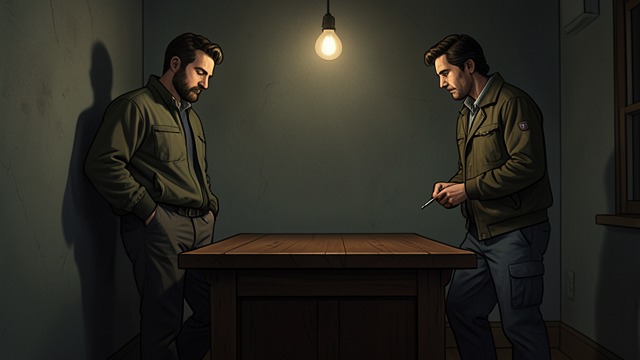
Robert Miller and William Miller join the armed forces in the aftermath of Pearl Harbor. Robert works in Army intelligence in Washington, while William serves as a pilot and is sent across Europe, Iceland, Britain, and Italy.
The war separates them, but they keep in touch as circumstances allow. Their letters become a way of sharing what they witness and maintaining a connection across assignments and distance.
A Reunion They Expect
They meet only twice during the war, in London and Paris. By the closing phase of the conflict, both look forward to being together again when it ends.
Their closeness gives Robert a personal reason to care about William’s assignments. When Robert later puts forward William’s name for the mission involving the German aircraft, he believes that the work will lead to a safe reunion rather than a final separation.
A Mission Robert Cannot Explain
An Assignment with Hidden Stakes
A Trusted Pilot
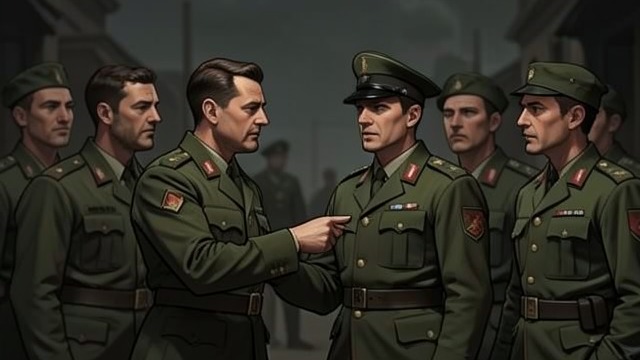
Robert helps select William to fly the mission because his brother knows the route and can make the necessary contact with Allied air traffic control. Robert imagines the flight as a straightforward assignment that will bring William to Reykjavík, where they can meet and travel on together.
He does not know the full purpose of the operation or the identity and plans of everyone involved. Like other participants, he receives only partial information and follows orders without understanding the larger design.
Affection and Misjudgment
Robert believes he is acting with his brother’s interests in mind. He expects the mission to be manageable and hopes that the journey will give them a chance to spend time together after years of separation.
That confidence becomes the source of lasting regret. Robert has helped send William into circumstances he cannot see clearly, and the affection that motivates his decision will later become inseparable from his sense of responsibility for the loss.
The Missing Aircraft
Waiting for a Brother
No News from the Flight
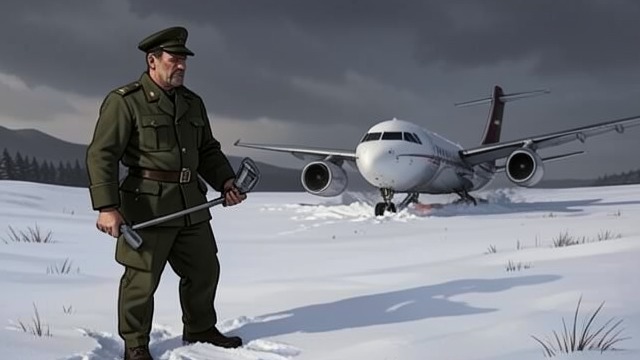
After William’s aircraft loses contact, Robert waits in Iceland and hopes his brother has survived. He initially considers that the plane may have crashed at sea or gone down in Scotland, clinging to the possibility that William might emerge from some wilderness into a place where help is available.
When local brothers report seeing a low-flying aircraft near Vatnajökull Glacier, Robert recognizes the possible connection to William’s flight. The report transforms uncertain waiting into an urgent search.
The First Search
Robert leads the 1945 search operation toward the glacier, struggling with severe winter conditions and the long journey across Iceland. He works with the local farmers, who guide the soldiers and help them reach the ice.
The search finds only the aircraft’s nose wheel. Robert cannot locate William or learn whether he survived the crash, and the failure leaves him with no body, no account of the final hours, and no definitive farewell.
Decades of Searching
A Search Kept Alive
Returning to the Glacier
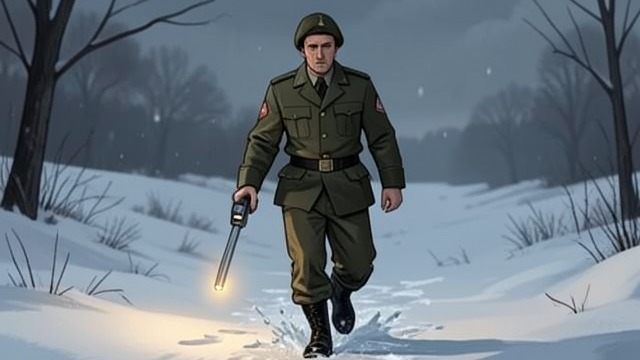
For decades, Robert returns to the region whenever he can, searching the ice with a metal detector and relying on his old relationship with Jón and Karl. He keeps the trip alive even as the glacier repeatedly conceals the aircraft and gives no answer about William.
The visits are not merely technical searches. They are attempts to recover the brother Robert sent on the mission and to discover what happened in the days after the crash.
A Grief with No Confirmation
Robert is eventually told that the aircraft and its passengers remain lost, but he never fully relinquishes the search. His successor, Vytautas Carr, later knows that Robert has carried the question for much of his life.
The prolonged uncertainty keeps Robert’s grief suspended. Without William’s body or final message, Robert cannot turn memory into a settled past; the possibility of finding his brother remains active, even as Robert grows old.
A Face Beneath the Ice
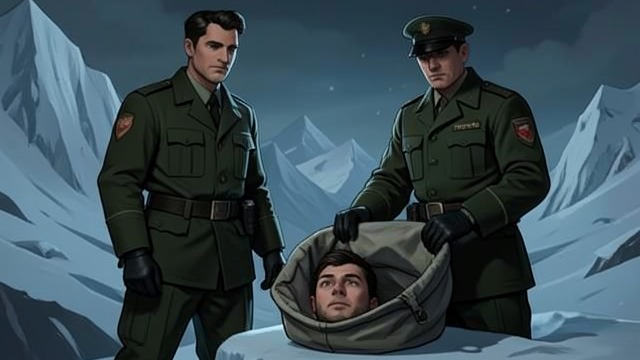
A Belated Reunion
Finding William
When the recovered aircraft is carried aboard a C-17, Robert Miller secretly enters the wreckage to search for his brother. He opens body bags one by one, fearing that William’s body may still be missing, until he finally finds him.
William’s face has been preserved by the ice, but he remains the young man Robert lost more than half a century earlier. Robert whispers that he has found him at last, giving a name and a face to the long absence.
The Answer and Its Limits
Robert learns that the aircraft carried William and a secret mission entangled with negotiations at the end of the war. The account cannot give him the years of companionship he expected, or the reunion he had planned in Reykjavík.
Instead, he receives the body and the knowledge that William was twenty-three when he died. The reunion brings a kind of closure, but it also makes the cost of Robert’s wartime decision immediate and undeniable.
From December 1941 through the final months of World War II
In the last months of World War II, before William flies from Berlin
Winter 1945, after William’s aircraft disappears
From the 1940s until the late twentieth century
Sunday, 31 January 2000, aboard the C-17 over the Atlantic
