
The Unsolved Runólfur Case
Operation NapoleonThis thread traces how a commercial grievance and a fabricated suicide scene make Runólfur’s death a local police case, then shows how official pressure and missing evidence leave it unresolved.
increasing Bearing strength in each event
 decreasing
Bearing strength in each eventdecreasingA Commercial Grievance
A Dispute at the Ministry
Runólfur Demands Compensation
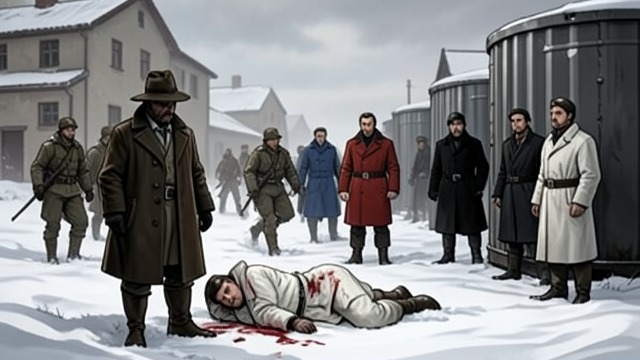
Runólfur Zóphaníasson repeatedly visits Kristín at the Icelandic Ministry of Foreign Affairs, claiming that officials and the Iceland Trade Council encouraged him to ship freezing equipment to Russia without adequate security. The goods have disappeared, and he wants the ministry to repay his losses.
Anger Without Proof
Kristín rejects the claim that the ministry is responsible for a risky commercial decision. Runólfur responds with insults and talk of conspiracy, then throws a chair at the wall and threatens that the matter is not finished.
The dispute supplies a plausible public explanation for later violence, but it does not explain why American operatives target Kristín or how the argument relates to the aircraft on Vatnajökull. Its apparent ordinariness makes it useful as a misleading frame around a much larger secret.
Threats Become a Warning
A Risk Reported
Officials Alert Kristín
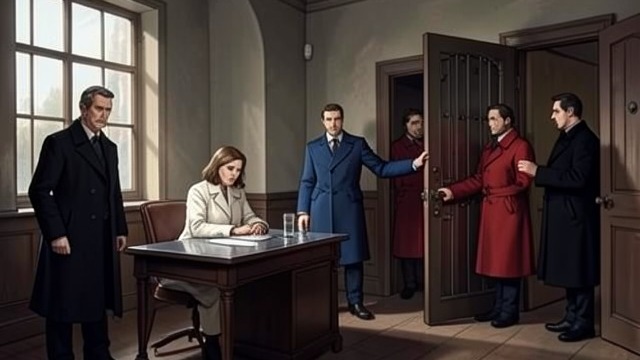
The Trade Council chairman and a foreign minister’s aide tell Kristín that Runólfur has also threatened the chairman. The police have spoken with him, but his anger over his failed Russian deals makes officials concerned that he may act on his threats.
A Personal Target
Kristín is told to contact the police if Runólfur intimidates her again. She does not yet know that a separate group of armed men will soon make her a target, and the warning encourages her to understand the danger through the dispute she already knows.
The ministry’s concern proves justified but incomplete. Runólfur’s threats are real, while the later attack on Kristín is not the result of his business grievance; the two dangers converge in her apartment and confuse the case from its first moments.
The Murder in the Apartment
A Death Framed as Suicide
Assassins Enter Kristín’s Home
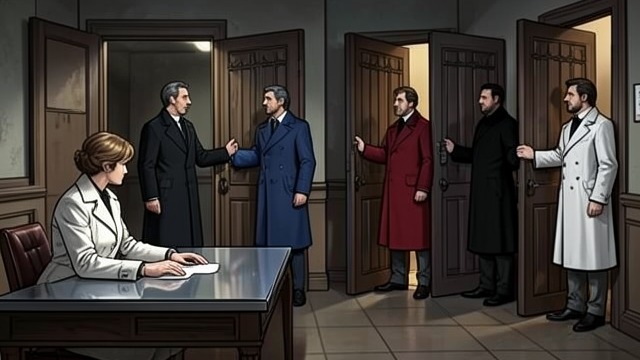
Two American operatives break into Kristín’s flat and force her to sit at the computer while they type a suicide note. They say Elías is dead and prepare to kill her, but Runólfur arrives unexpectedly; in the confusion, Kristín escapes and one of the men shoots him.
A Misleading Scene
The operatives leave the note on the computer and arrange circumstances to make the death resemble suicide. Kristín has witnessed the shooting, but she flees because the men have already shown that they intend to silence her and she fears the authorities may be implicated.
Runólfur’s death transforms a ministry dispute into a murder investigation, yet the staged note and the absence of an immediate witness make the scene vulnerable to misinterpretation. Kristín’s survival preserves the truth of what happened, but also makes her a fugitive before she can safely explain it.
The Detective Questions Suicide
Doubts at the Scene
Physical Details Challenge the Note
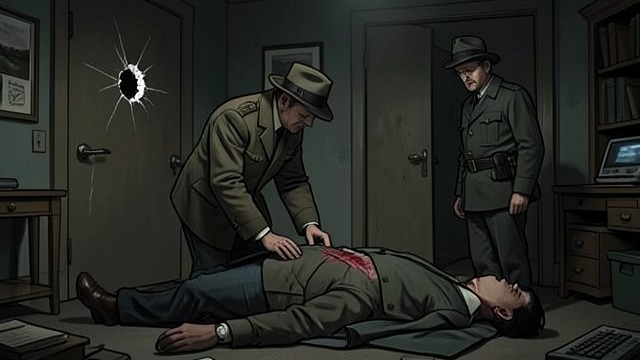
A pair of Reykjavík detectives examines Runólfur’s body. The older detective doubts the apparent suicide: the angle of the wound seems wrong, the room contains signs inconsistent with the story, and a bullet hole in the front door suggests a sequence the staged scene cannot readily explain.
Kristín Becomes a Person of Interest
The police learn that Kristín works for the foreign ministry and is missing. They issue a request to speak with her but avoid publicly declaring her a murder suspect, leaving room for the possibility that she is a witness or has been endangered.
The detective’s skepticism offers a fragile counterweight to the convenient suicide narrative. Yet he has neither the attackers nor the facts linking the murder to the glacier operation, so careful observation can identify the deception without yet exposing who engineered it.
A Case Without Prosecution
Investigation at an Impasse
Kristín Tells the Police
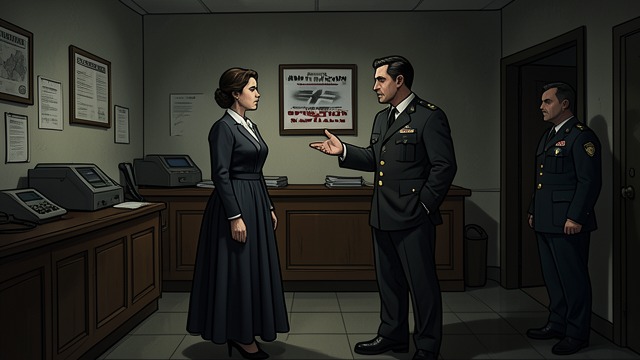
After reaching Jón’s farm, Kristín speaks by telephone with the detective investigating the murder. She gives him a detailed account, explains that Runólfur was killed while she was being attacked, and connects the violence to the armed operation on the glacier.
Official Conclusions Fail
The police repeatedly question Kristín, but the investigation produces no grounds to prosecute her. The army denies that its personnel were involved, and the case becomes deadlocked between Icelandic investigators and the Defense Force. Runólfur’s murder remains unsolved.
The inquiry can recognize that the suicide story does not fit, yet it cannot overcome the institutional barriers surrounding the American operation. Runólfur’s death is absorbed into the same pattern of denied responsibility and missing proof that protects the wider secret from legal resolution.
Thursday 28 January, 2000, afternoon
Friday 29 January, 2000, morning
Friday 29 January, 2000, evening
Saturday 30 January, 2000, around 4 a.m.
From the winter of 2000 into the following months
