
Negotiation Models Under Pressure
OsloThis flow traces the play’s contrast between all-at-once diplomacy and gradual trust-building, showing both the promise and danger of the latter.
increasing Bearing strength in each event
 decreasing
Bearing strength in each eventdecreasingThe Failed Large Table
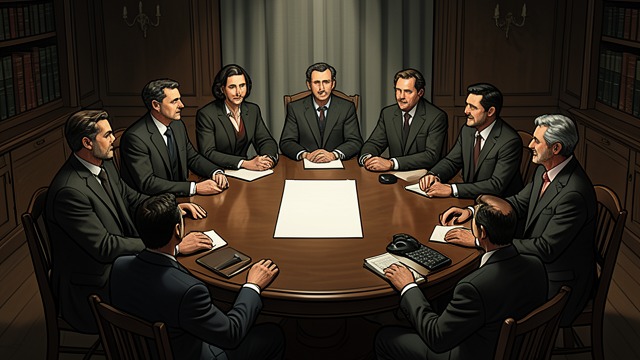
The Failed Large Table
Totalist procedure
Yossi Beilin describes multilateral meetings with numerous delegates, public performances, and little direct communication. The formal process keeps every issue and constituency in view but produces little trust.
A model questioned
Terje Rød-Larsen identifies the structure as a totalist negotiation model. His criticism gives the secret channel its rationale: a different process might succeed where official procedure has stalled.
The Gradualist Alternative

The Gradualist Alternative
One issue at a time
Terje Rød-Larsen proposes gradualism: adversaries address focused questions and build trust incrementally. The approach begins with people rather than formal institutions.
A method with danger
He also warns that personal engagement can unleash anger and accelerate events beyond control. Gradualism is presented not as a guarantee but as a risky commitment to keep negotiating despite mistakes.
The Human Encounter
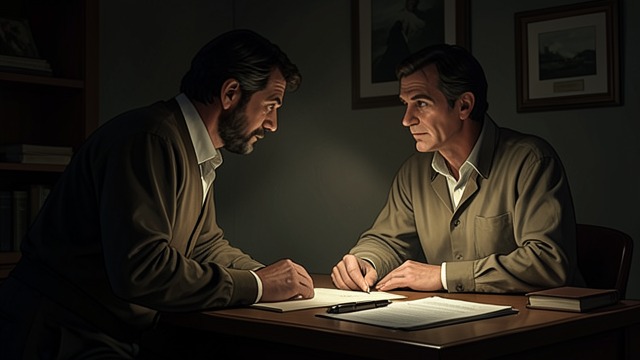
The Human Encounter
From label to person
Ahmed Qurie and Yair Hirschfeld begin with awkward talk, then discuss home and professional work. They remain divided by history, yet each listens long enough to hear the other’s personal account.
Listening as political action
The scene dramatizes the channel’s central wager: that recognizing a human being across enemy lines can alter what negotiators believe possible. That recognition does not remove power or grievance.
Personal Bonds And Political Limits
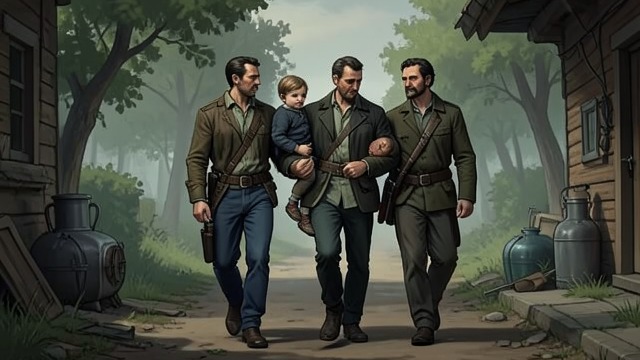
Personal Bonds And Political Limits
Affinity emerges
Ahmed Qurie and Uri Savir discover common experiences through their daughters and fathers. Their growing respect lets them speak about compromise without surrendering their public positions.
Connection is not settlement
The walk demonstrates that friendship may support negotiation, but cannot substitute for it. The men still need authority, text, and political mechanisms to turn mutual recognition into an agreement.
The Unfinished Method
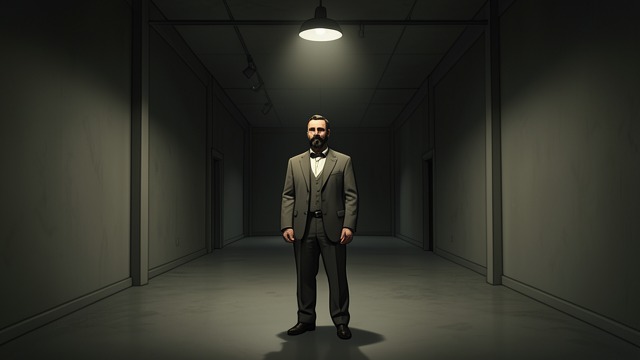
The Unfinished Method
A process remains
After recounting later violence and deaths, Terje Rød-Larsen argues that the channel created a process capable of being used again. He asks the audience to measure distance traveled, not only the unresolved present.
Hope without certainty
Mona Juul admits she still struggles to know whether their methods were right. The play ends by holding hope beside doubt, refusing to turn diplomatic achievement into a claim that history has been repaired.
During the American-sponsored talks before the Oslo channel
During Terje Rød-Larsen's lecture and planning period
During the first meeting in London
During the walk between Ahmed Qurie and Uri Savir
In Terje Rød-Larsen's closing appeal
