
Peace As A Fragile Possibility
OsloThis flow traces how the play constructs hope not as a guaranteed outcome but as an achievement repeatedly threatened by violence and uncertainty.
increasing Bearing strength in each event
 decreasing
Bearing strength in each eventdecreasingHistory Seems To Open

History Seems To Open
A changed political landscape
Terje Rød-Larsen points to the fall of the Berlin Wall and the loosening of old political alignments. He sees a brief moment in which what once seemed impossible might become thinkable.
Opportunity becomes obligation
For Terje Rød-Larsen, the changing world makes inaction harder to justify. The play introduces hope as an active wager rather than a mood detached from risk.
The Two Boys In Gaza
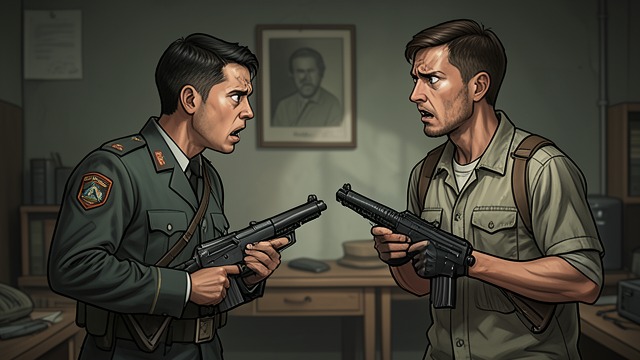
The Two Boys In Gaza
A shared fear
Mona Juul describes seeing two boys facing one another, one in uniform and one in jeans, with weapons in hand. Their faces seem to share the same fear and desire to escape.
Humanity behind division
The encounter provides the emotional origin of the initiative. The image does not simplify the conflict; it gives the couple a reason to believe that the people inside it remain capable of being seen differently.
The Impossible Choice
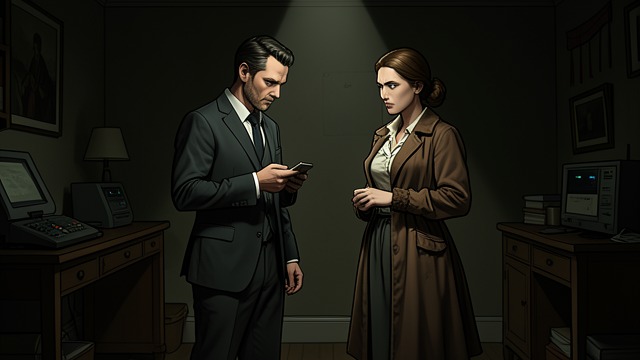
The Impossible Choice
Risk against caution
Mona Juul sees the danger of continuing while people suffer and demands that the secret meeting be cancelled. Terje Rød-Larsen believes the crisis may make negotiation more urgent.
Hope's ethical danger
The exchange exposes a moral problem at the heart of diplomacy: whether desperation can create an opening without turning suffering into an instrument. The play does not resolve their disagreement into a simple rule.
The Rose Garden Promise

The Rose Garden Promise
A public appeal
Yitzhak Rabin speaks of living together on the same land and calls for an end to blood and tears. The speech gives public voice to the fragile hope created by private negotiations.
Words against history
The ceremony cannot guarantee that the leaders’ promise will survive. Its emotional force comes partly from the audience knowing that peace remains vulnerable to those who reject it.
Hope After Reversal
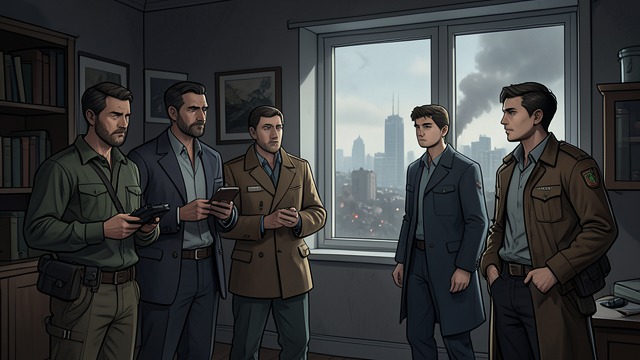
Hope After Reversal
The losses are named
The play recounts assassination, renewed uprising, bombings, and the deaths of several participants. These events make the original hope difficult to hold without qualification.
A question left open
Terje Rød-Larsen argues that the process can be used again, while Mona Juul remains unsure about the rightness of what they did. The ending offers possibility without claiming that history has fulfilled it.
At the beginning of the secret initiative
During the couple's early visit to the Gaza Strip
After the deportations to Southern Lebanon
13 September 1993, after the agreement is signed
After the play's chronology of later violence
