
Johan Jorgen Holst's Change Of Position
OsloThis flow follows Johan Jorgen Holst from furious opponent of the channel to its cautious political protector.
increasing Bearing strength in each event
 decreasing
Bearing strength in each eventdecreasingThe Unwelcome Revelation
The Unwelcome Revelation
A ministry at risk
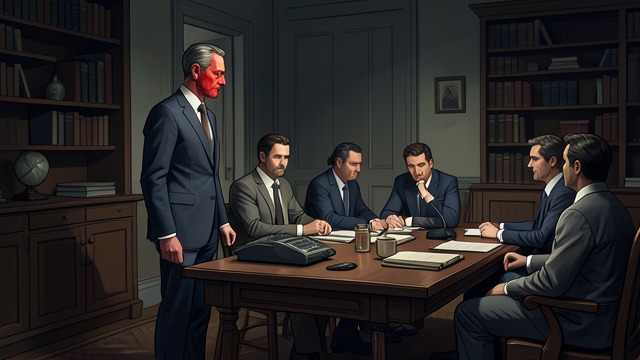
Johan Jorgen Holst learns that Mona Juul and Terje Rød-Larsen have arranged secret Israeli-Palestinian contacts without his authorization. He sees a ticking political bomb at the moment he is about to take responsibility for the ministry.
An order to stop
He forbids the operation and calls Terje Rød-Larsen a dilettante. His anger reflects both protocol and the danger that a failed secret initiative could damage Norway’s standing.
Qurie Makes The Case
Qurie Makes The Case
A direct appeal
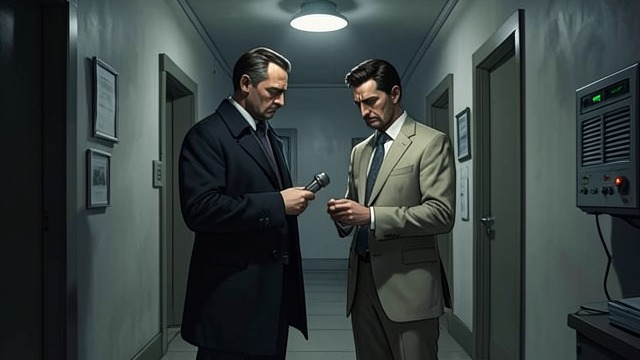
Johan Jorgen Holst meets Ahmed Qurie and tests who knows about the channel, including whether Yasser Arafat supports it. Ahmed Qurie admits that the Jordanians have also been informed, deepening Holst’s concerns.
Conditional approval
Ahmed Qurie argues that the meetings have produced meaningful progress and that Holst’s support could secure his place in history. Holst agrees to security measures and continued contact, but remains wary.
A Guarded Partnership
A Guarded Partnership
Trust withheld
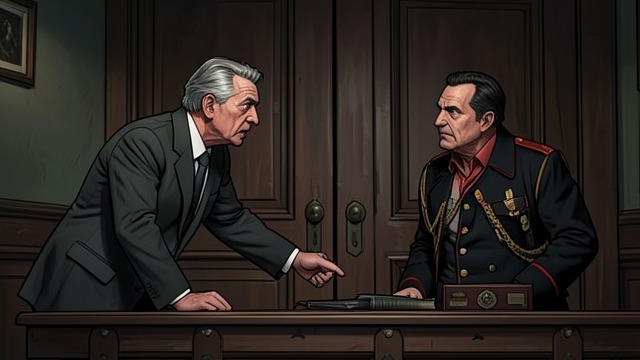
Johan Jorgen Holst tells Terje Rød-Larsen that he has been lied to and underestimated. Their relationship shifts from friendly argument to suspicion, even as the channel continues.
Support with conditions
Holst allows another discreet meeting rather than shutting the operation down. His participation is pragmatic, not wholehearted: the negotiations must demonstrate enough value to justify their risks.
The Final Norwegian Backing
The Final Norwegian Backing
Testing the assurance
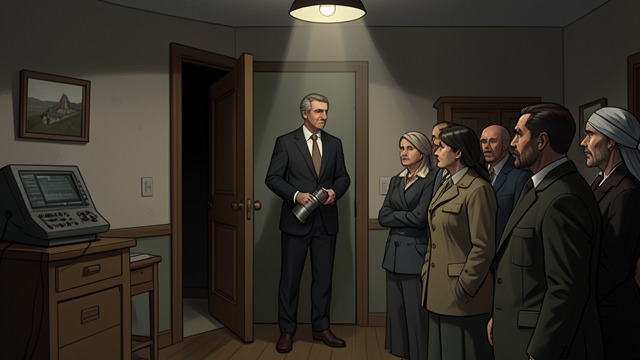
When the Israelis fear that Yasser Arafat may be setting a trap, Mona Juul proposes taking the document to him directly. Johan Jorgen Holst agrees to test the leader’s knowledge rather than let suspicion end the channel.
A decisive commitment
After hearing that Arafat knows the details, Holst supports bringing the parties back to Oslo. His earlier opposition has become an informed gamble on whether the agreement can hold.
An Early Death
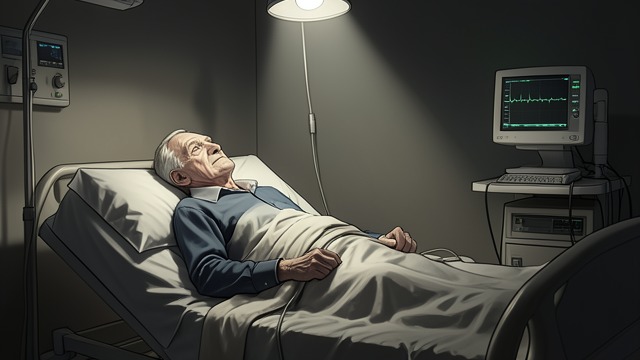
An Early Death
The aftermath arrives quickly
The play reports that Johan Jorgen Holst dies of a heart attack four months after the Rose Garden signing. His involvement ends before the longer-term fate of the agreement can be known.
A legacy of risk
Holst’s path from fury to qualified support embodies the political responsibility the channel demanded. He did not eliminate uncertainty, but he accepted it when the possible gains outweighed his fear of failure.
On the eve of Johan Jorgen Holst's appointment
Two days after the channel is revealed
After the second Borregaard round
During the preparations for the last round
January 1994, four months after the signing
