
Trust Between Ahmed Qurie And Uri Savir
OsloThis flow traces how Ahmed Qurie and Uri Savir turn antagonism into an effective negotiating partnership without erasing their political differences.
increasing Bearing strength in each event
 decreasing
Bearing strength in each eventdecreasingA Tense First Meeting
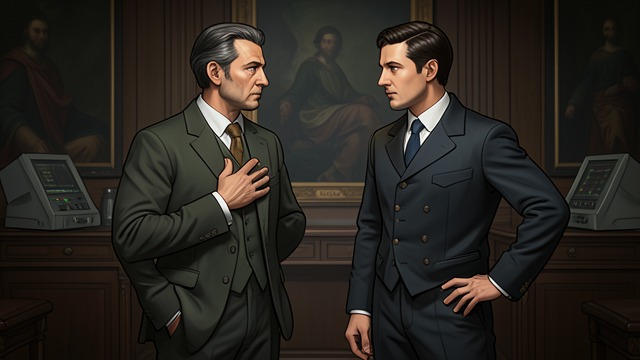
A Tense First Meeting
Formal distrust
Uri Savir arrives at Borregaard Estate brusque and guarded, while Ahmed Qurie waits to learn whether the Israeli representative can speak with authority. Neither man offers the other easy reassurance.
A symbolic handshake
Uri Savir names Shimon Peres as his authority, and Ahmed Qurie names Yasser Arafat as his. Their handshake marks a cautious recognition that both men are acting for leadership, not simply for themselves.
The First Verbal Collision
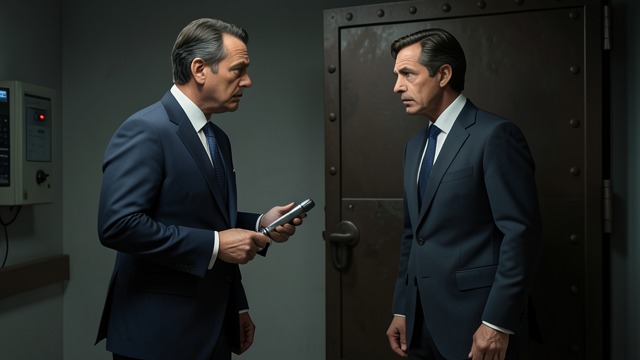
The First Verbal Collision
Competing histories
Uri Savir and Ahmed Qurie recount the injuries and fears their peoples associate with one another. Each insists that the other understand why trust cannot be assumed.
Candor as a beginning
Uri Savir says Israel is tired of war but will not sacrifice its security. Ahmed Qurie answers that security cannot exist without peace and recognition, making disagreement the basis for a more honest exchange.
A Walk In The Snow
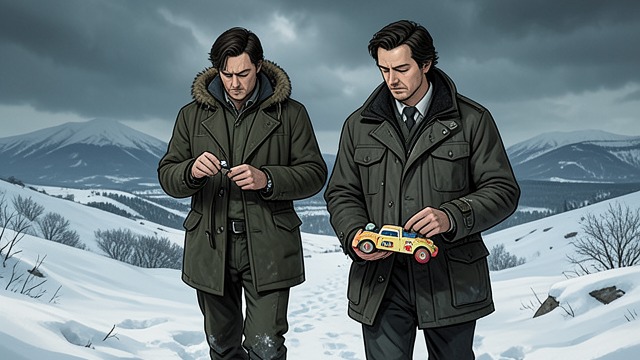
A Walk In The Snow
Shared family language
After a confrontation, Ahmed Qurie and Uri Savir walk together and discover that both have daughters named Maya. Their talk turns to fathers, families, and the possibility of return.
Recognition without surrender
They do not abandon their political positions. Instead, the personal exchange makes it possible to imagine the other man as more than an opponent and to negotiate a face-saving path forward.
The Reciprocal Bluff

The Reciprocal Bluff
A plan for leaders
Ahmed Qurie and Uri Savir agree to tell their leaders that the other side has rejected them, then return with the concessions they have already discussed. Each leader can appear to have prevailed.
Trust becomes technique
Their personal confidence in one another enables them to design a political maneuver neither could safely announce in the room. The partnership turns emotional understanding into a tool for moving negotiations.
An Unbroken Connection
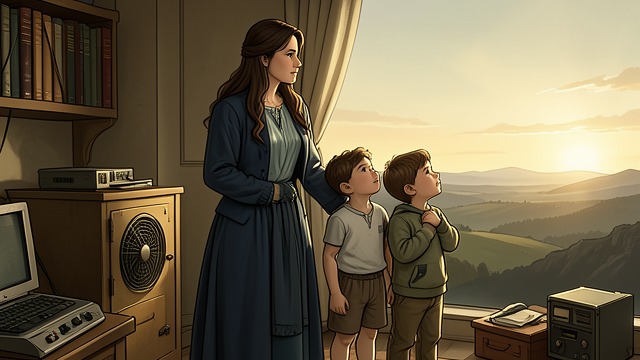
An Unbroken Connection
A lasting relationship
The closing account says Ahmed Qurie and Uri Savir, along with their daughters, have never been out of touch. The relationship created in negotiation outlasts the formal moment of agreement.
More than a signature
Their continuing connection offers a personal counterpoint to the subsequent violence and political reversals. It does not prove that conflict has ended; it shows that contact can survive its failures.
At Uri Savir's arrival in Oslo
During the first official negotiating session
During the final Borregaard round
At the end of the snowy walk
By the play's 2016 closing account
