
The Epilogue’s Repetition
Other PeopleThis flow traces how the epilogue reframes the ending as a possible repetition and a test of consent.
increasing Bearing strength in each event
 decreasing
Bearing strength in each eventdecreasingThe Adult Cycle Closes
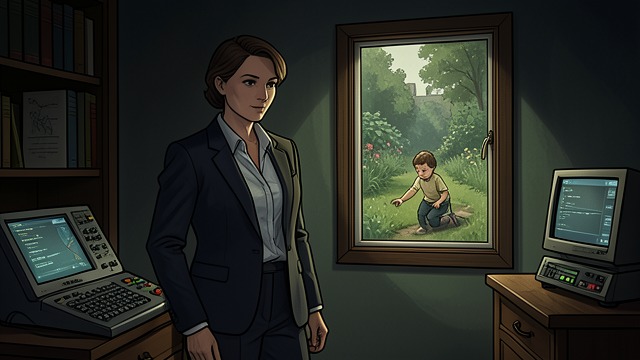
The Adult Cycle Closes
Amy Faces Mr Wrong
Amy remembers her relationship with Mr Wrong and the violence that shaped her adult life. The encounter closes the mystery of her identity by making her past present.
Ending Becomes Beginning
Instead of concluding with an ordinary aftermath, the narrative sends Amy back to childhood. The cycle closes formally while opening the possibility of another beginning.
A Young Amy Appears
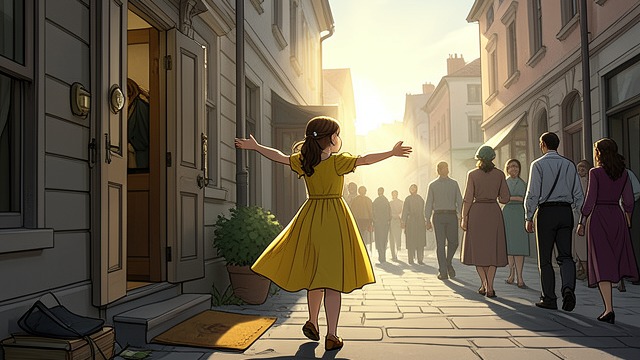
A Young Amy Appears
Leaving the House
Young Amy receives forgiveness from her parents and steps into the afternoon. The ordinary departure echoes the opening movement from a room into the wider world.
Vulnerability Returns
Her brightness and tears attract the attention of a watcher across the street. A new life begins in a world where the old danger may still be present.
The Narrator Watches
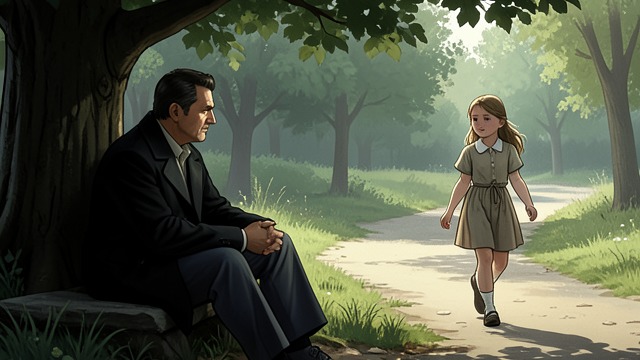
The Narrator Watches
Recognition Across the Street
The narrator waits in deep shade as young Amy walks down the path. He feels that he has done these things before and expects to approach her again.
Repetition as Compulsion
His sense of being compelled suggests that the cycle may include the storyteller as well as Amy. The ending refuses to place the narrator safely outside the consequences of his own narrative.
A Promise of Restraint
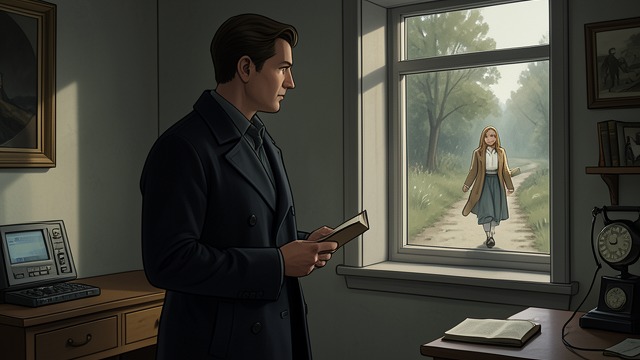
A Promise of Restraint
Consent Named
The narrator promises not to act without Amy’s consent, acknowledging that her wishes should limit his actions. The promise stands in sharp contrast to the controlling confidence of the prologue.
Doubt Remains
He still watches her and anticipates approaching her. The promise is meaningful but untested, leaving the reader to judge whether this cycle can become different.
The Hesitation at the Road
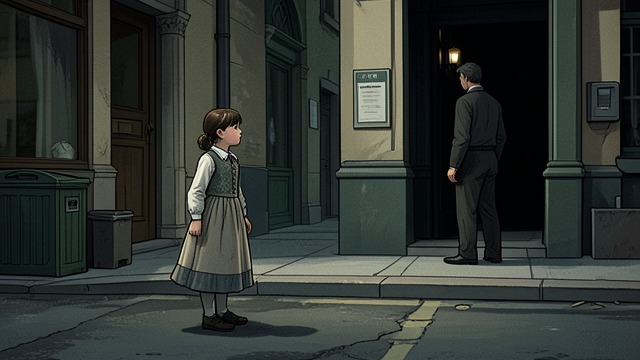
The Hesitation at the Road
A Choice Unmade
Young Amy reaches the end of the path and pauses before crossing the road, looking in both directions. The narrator waits for the instant when he might step out.
An Open Ending
The novel stops before either person acts. Repetition is possible, but so is a refusal or interruption; the final uncertainty makes consent and agency the story’s last unresolved conflict.
At the final confrontation
Immediately after the childhood return
The epilogue
The last moments
The closing image
