
The Many Versions of Grace
Our Chemical HeartsThis thread traces how appearance, memory, trauma, and Henry’s imagination create competing versions of Grace that cannot be reduced to one ideal image.
increasing Bearing strength in each event
 decreasing
Bearing strength in each eventdecreasingA Photograph and a Stranger
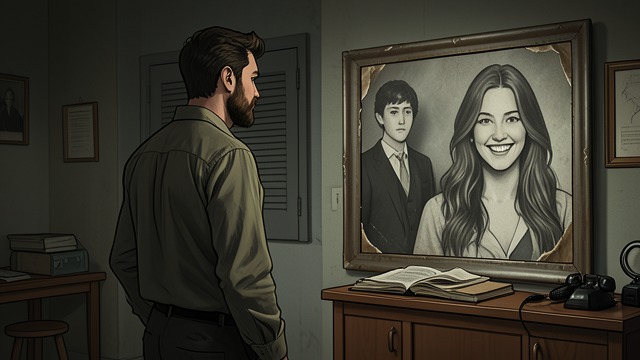
A Photograph and a Stranger
Before and after
Henry finds photographs showing Grace with long hair, a bright smile, and a very different style from the withdrawn girl he has met. The contrast makes him wonder what changed so quickly.
The temptation to restore
The photographs offer an appealing story in which the old Grace could return. Henry does not yet know that treating one version as the real one may make him overlook the person in front of him.
A Performance at the Fair
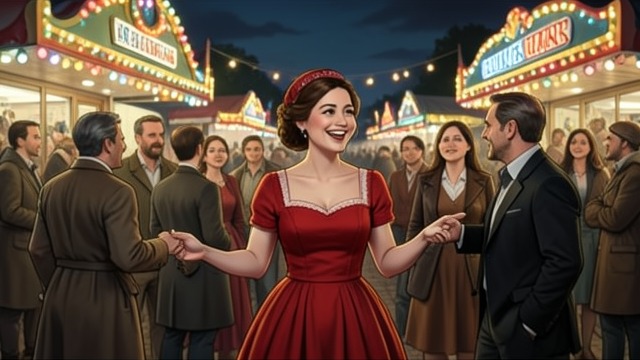
A Performance at the Fair
A striking transformation
Grace appears groomed, dressed in red, and ready to socialize with friends from East River. Her openness gives Henry a glimpse of the person she once was and an image of the future he wants.
Beauty becomes a question
At the fair, Grace later says she wanted to see how Henry would react if she performed a healed version of herself. The night’s brightness is real, but it is also a performance shaped by alcohol and by his expectations.
A Person, Not a Projection
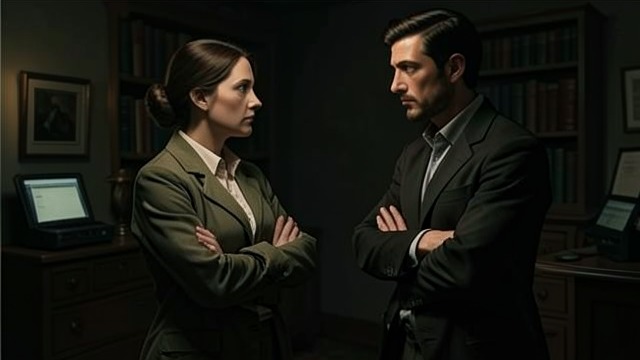
A Person, Not a Projection
The imagined roles fall away
Grace tells Henry that he has feelings for someone who does not exist, and Henry recognizes that he has loved several imagined versions of her. Her refusal is painful partly because it breaks the role he hoped she would play.
Complexity remains
Grace is not only the injured, grieving girl or the recovered beauty in old photos. Her changing appearance and behavior reflect a life that cannot be made into a single romantic symbol.
the week after Grace arrives at school
Grace’s birthday evening at the Thanksgiving fair
at the final conversation
