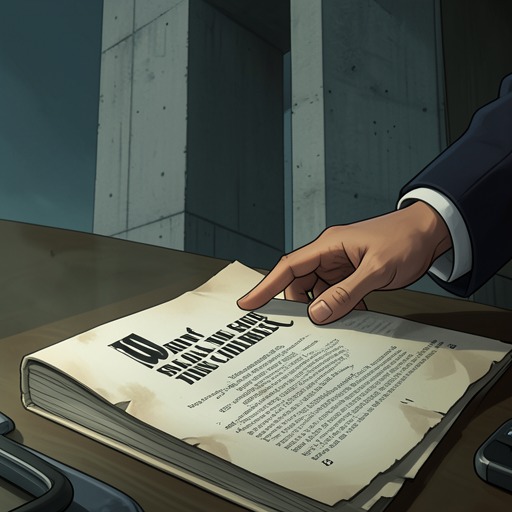
Grace's Neruda collection and poem page
Our Chemical HeartsGrace's Neruda collection and poem page is a battered poetry book and the source of a poem that quietly links Grace Town and Henry. First encountered in Grace's hands, its repeatedly read, torn-out page becomes a keepsake Henry carries as he wrestles with the possibility of loving her in secret.
The Book and Its First Appearance
When Henry first sees the book, Grace is sitting with her knees against her chest and her cane wedged between them. Its pages are tattered and coffee-stained, and though Henry cannot see its title, he can tell it is full of poems. Rather than close it or turn it away when she catches him looking, Grace angles it so he can read along. The gesture makes the book an offered point of contact before either of them has said much about what matters to them.
The page is a poem by Pablo Neruda titled “I do not love you.” Two lines have been highlighted: “I love you as certain dark things are to be loved,in secret, between the shadow and the soul.” Hink interrupts before Henry can finish reading, and Grace snaps the book shut. The highlighted lines establish the poem’s central tension for Henry: love is expressed through secrecy and darkness, even as its language reaches toward intimacy.
The Page as a Gift and Keepsake
Later, Henry Isaac Page asks Grace Town about the poem. She stops, gives him her cane to hold, swings her backpack around to the front, and retrieves the threadbare book. It falls open to Neruda’s poem, confirming for Henry that she has returned to it repeatedly. He tells her it is beautiful; Grace asks whether he really thinks so, then says that calling poems beautiful can be what people do when they do not understand them. To her, this poem is sad, not beautiful. Their disagreement marks a difference in how they read its language: Henry is drawn to its apparent loveliness, while Grace resists that surface response.
Grace tears the poem’s page from the book and offers it to Henry because he likes it, adding that pretty poetry is wasted on her. He flinches at the damage to the volume, yet is elated that she has parted with something that plainly matters to her. The exchange turns a page from a repeatedly read book into a personal gift, while leaving its value unsettled: Henry sees beauty in the poem and in Grace’s generosity; Grace describes the poetry as something she cannot use. His thought about Tyler Durden’s warning that possessions can come to possess their owners sharpens the irony of accepting an object he immediately treasures.
The page remains with Henry Isaac Page after the conversation. When Grace kisses him, he recalls that it is still folded in his wallet, where he placed it on the first day she gave it to him. Its lines about loving in secret become a way for him to imagine keeping his feelings for Grace hidden, even as he recognizes that involvement with her could bring sadness, grief, and jealousy. The poem does not resolve the tension between desire and caution; carried as a keepsake, it gives that tension a material form.
A Portable Ambiguity
The poem’s title and the highlighted declaration pull in opposite directions: its denial sits beside an avowal of love, leaving the page open to incompatible readings. Grace’s response makes that uncertainty explicit; she does not treat the poem as pretty or reassuring, but as sad. Henry, by contrast, turns its language toward his own predicament, imagining that his feelings might belong in secrecy and remain unrealized. The page therefore offers no evidence of a shared romantic understanding or a promise between them. Its significance lies in the gap between what Grace gives—a poem she says is wasted on her—and what Henry makes of the gift. Once carried in his wallet, it becomes a private frame through which he considers desire and the risks of acting on it, while its unresolved contradiction keeps concealment and confession in view at once.
The Keepsake and the Risk of Attachment
The poem’s place in Henry Isaac Page’s wallet gives him a private language for a choice he cannot make lightly. He has never felt a crush like this before and fears that another might not come for years; against that sense of scarcity, the highlighted lines offer a way to imagine loving Grace Town without acting on the feeling. Yet he also recognizes that she remains deep in mourning and that becoming involved could bring grief and jealousy. The page does not settle the choice: its language lets Henry picture concealment, while the intensity of his attachment makes concealment feel like a real sacrifice.