Franz’s detonator
Out Stealing HorsesFranz’s detonator is a concealed device that Franz retrieves from beneath his kitchen floor and uses to demolish the bridge. Its decisive significance lies in the passage from long-prepared secrecy to sudden action: the device converts Franz’s readiness into an explosion that breaks the crossing and changes the movement of the men on the road.
Concealment and Preparation
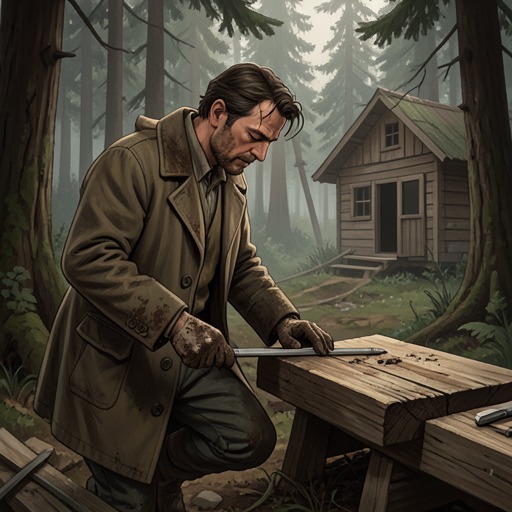
The detonator is kept in a small space beneath four floorboards fastened together. When Franz recognizes what is approaching, he throws away his cigarette, runs into the hallway, takes a knife from his belt, and uses it to lever up the boards at a crack in the floor. The hiding place is concealed under a rag rug, which he rolls back to reach it.
Franz removes the device and checks that its leads are in place and untangled. The quick inspection is the final step in a readiness he has long anticipated: he knows that this day would come, and the narrative stresses that he does not hesitate. The detonator is not an object he has to improvise with; it is already hidden, prepared, and ready to use.
Detonation and Immediate Effects
Franz places the detonator between his knees, takes a firm hold of its handle, and slams it down. The explosion shakes his house and rattles its windows. He immediately returns the detonator to its hiding place, lays the floorboards back over the opening, taps them into position with his fist, and replaces the rug. In the brief interval after the blast, he restores the kitchen floor to its former appearance.
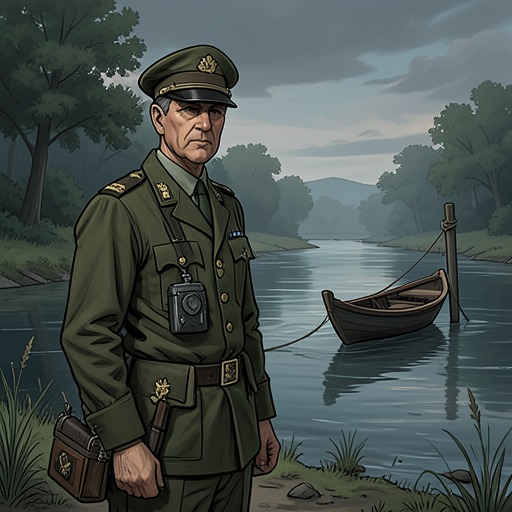
Looking out of the window, Franz sees that the bridge has been shattered. Pieces of its wooden structure are still falling; some strike the stones on the bank, while others land in the water and drift away. The device’s action has made the bridge unusable, leaving the motorcycle and the guard on the far side of the wreckage.
Function in the Scene
The detonator links Franz’s concealed domestic space to the exposed road and bridge. A hidden compartment beneath an ordinary floor holds the means for a public, consequential act; after using it, Franz covers the opening and replaces the rug, making concealment part of the same swift sequence as destruction.
The blast does not kill the guard, who is found in the snow, alive but unable to hear. The motorcyclist and guard look at the destroyed bridge, then leave together by motorcycle, turning away from the farm where their patrol is billeted. The detonator therefore marks a sharp change in the scene: a bridge that had been passable is gone, and the men’s route is altered. Its importance rests both in its physical effect and in the contrast between Franz’s practiced composure and the sudden violence unleashed by a single movement.