The wooden bridge over the river
Out Stealing HorsesThe wooden bridge over the river is a guarded wartime crossing whose sudden destruction turns a familiar route into a scene of rupture. Franz detonates a device hidden beneath the floor of his house; the blast breaks the bridge apart, injures but does not kill the guard, and sends the motorcycle patrol away from its expected course. In Trond Sander’s recollection, the wrecked crossing also becomes a point where wartime action and a later, private loss meet.
Setting and Approach
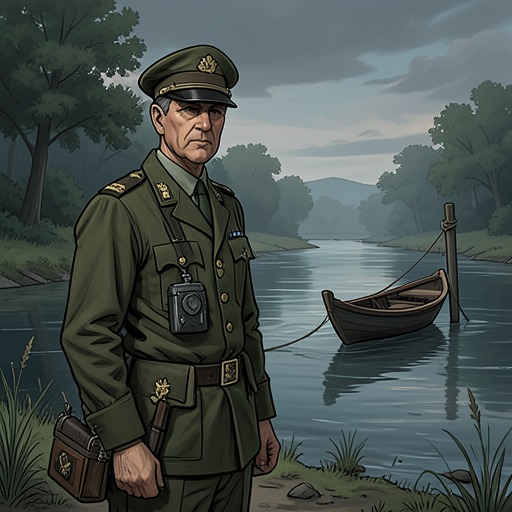
The bridge stands about fifty metres from Franz’s house, with a guard stationed on the far side, another twenty metres beyond it. The guard wears a long grey-green overcoat and carries a sub-machine gun. As evening approaches, a motorcycle speeds along the road toward the crossing. Franz sees its rider emerge from behind a thicket and recognizes what is coming; at that moment, the approaching vehicle interrupts his thoughts about why he has never married.
The Detonation and Its Immediate Effects
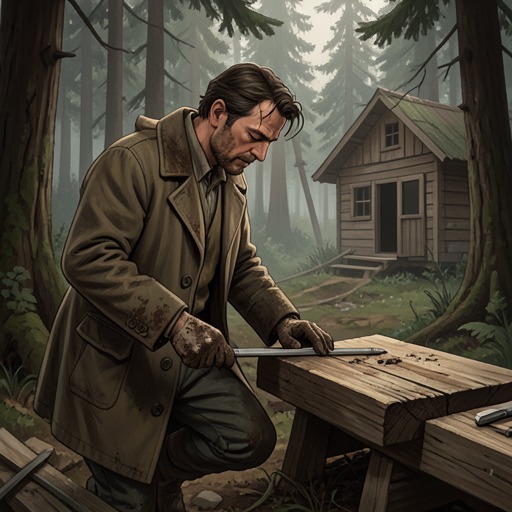
Franz has prepared for this moment. He throws his cigarette out of the window, runs into the hallway, and uses a knife to prise up floorboards beneath a rag rug. Four boards lift together, revealing the small space where he has concealed Franz’s detonator. He checks that its leads are in place and untangled, grips the handle, and slams it down. The house shakes and its windows rattle.
When Franz looks outside, the wooden structure has been shattered. Planks whirl through the air before falling onto the bank or into the current; the sudden quiet makes the wreckage seem to him as if he is seeing it through glass. On the opposite side, the guard lies face down in the snow. The motorcycle has not arrived in time to prevent the blast, and its rider dismounts and approaches the body with his helmet under his arm. He kneels beside the guard, who then pushes himself up. Alive but vomiting, the guard gets to his feet using his machine gun for support. When the rider speaks, the guard points to his ears: he cannot hear.
The Detour and the River Path
The two men look toward the place where the bridge stood, then return to the motorcycle. The guard climbs into the sidecar and the rider starts the engine. Instead of heading toward the farm where the patrol is billeted, they travel back the way the rider came. After passing Barkald’s farm, they turn sharply off the road and drive through a closed gate, breaking its bars rather than stopping to open it.
They cross the snow-covered field beside the wire fence and head down toward the river. The route is marked not only by the destroyed crossing but by its connection to Trond’s father, who used the path when going to the shop for the mail. Trond Sander recalls walking there four years later with Jon. In that later summer, Jon’s brother shoots his other brother with a gun Jon had forgotten to unload, and Jon disappears from Trond’s life. The narrative sets the bridge’s sudden destruction beside this later, irreversible change without treating the two events as the same kind of loss.
Narrative Significance
The bridge’s collapse is both a physical break in the route and a pivot in the scene: the motorcycle cannot cross, the guard survives with his hearing lost, and the riders must find another way through the landscape. The wreckage remains concrete—planks falling into the river, a gate smashed open—while the narration extends the crossing into memory. By returning along a path Trond later shares with Jon, the scene places the wartime bridge in a chain of remembered passages that lead toward separation and destruction.