
The War of Movement
Pamela's WarThis flow traces how transport changes from pleasure and romance into scarcity, danger, and strategic necessity.
increasing Bearing strength in each event
 decreasing
Bearing strength in each eventdecreasingJoyful Motoring
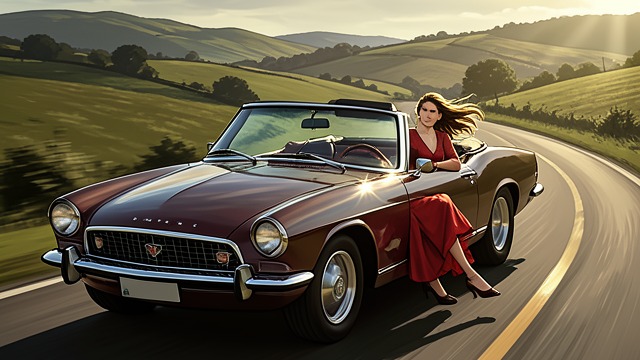
Joyful Motoring
Open Roads
Pamela Wheeler Fellows and Gloria travel in Gloria’s convertible, enjoying wind, speed, and independence. Driving represents youthful freedom.
Unregulated Mobility
They need no formal driving test and ignore age restrictions. The motorcar makes the countryside feel accessible and private.
Their confidence belongs to a world before war turns fuel into a military resource.
Police Interruption
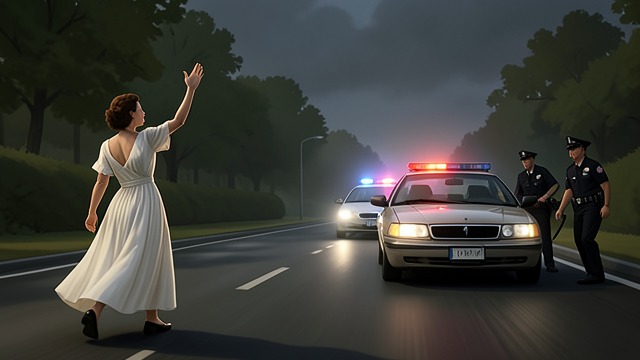
Police Interruption
A Forbidden Drive
Gloria drives Pamela toward Stourbridge despite being too young. Pamela waves to Sidney Wheeler from the road, accidentally exposing the secret.
Immediate Consequences
A policeman stops them at Hagley and orders the car home. Their motoring days end under paternal and legal authority.
Freedom collapses through one delighted, disastrous greeting.
Petrol Disappearance
Petrol Disappearance
Leisure Ends
Petrol rationing removes the ordinary drive to a country pub. Even conserving fuel by coasting downhill cannot preserve recreational travel.
Business Consequences
The Woodman Hotel loses the customers who once arrived by car. Transport policy becomes the direct mechanism of commercial ruin.
The motorcar changes from symbol of pleasure into evidence of national emergency.
The Surviving Car
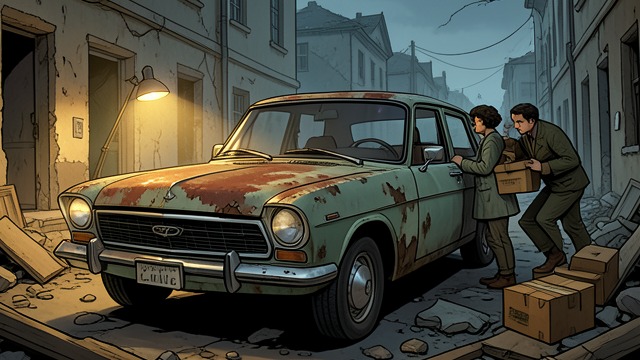
The Surviving Car
One Possession Preserved
Mother’s little car survives the bombing despite being parked near the damaged flat. It offers the family a means of carrying their remaining belongings.
A Brief Mobility
The vehicle helps them leave the ruins and seek refuge. Transport is now less about pleasure than the physical movement of displaced people.
Its survival is useful but temporary because fuel is disappearing.
Final Surrender
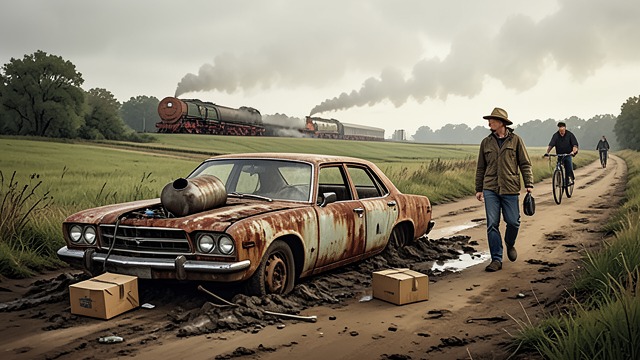
Final Surrender
No Fuel Remaining
By 1942 the general public has virtually no petrol. The family finally parts with the car because keeping it serves no practical purpose.
Mobility Replaced
Bicycles, buses, trains, horses, and walking take over. Pamela’s later journey to the farm depends on a bicycle and physical endurance.
War removes movement first as pleasure, then as possession.
before September 1939
late 1930s
1939 to 1942
after the Birmingham raid
during the later wartime years
