
The Home Front as a Second Battlefield
Pamela's WarThis flow traces how civilian life becomes organized around scarcity, surveillance, labor, and danger.
increasing Bearing strength in each event
 decreasing
Bearing strength in each eventdecreasingBlackout Discipline
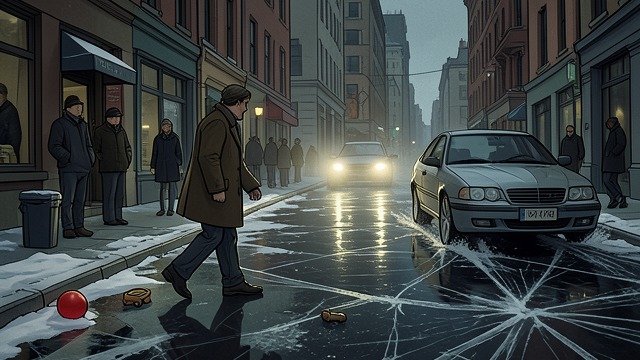
Blackout Discipline
Darkness as Defense
Streetlights vanish, headlights are restricted, and homes must conceal every glimmer. The policy aims to protect cities from German bombers.
Danger at Ground Level
The same darkness causes collisions, drownings, confusion, and accidental death. Civilian survival requires obedience to rules that also create new hazards.
The home front becomes a battlefield without a visible front line.
Rationed Living
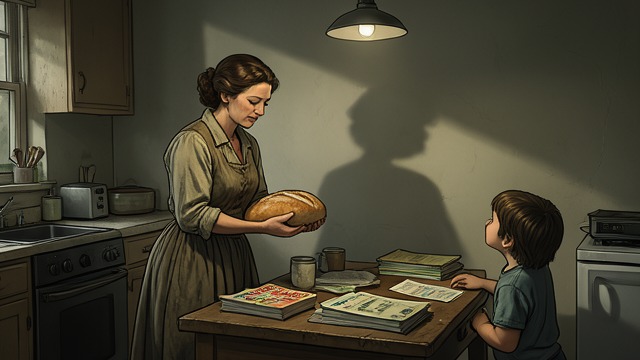
Rationed Living
Controlled Consumption
Food, clothing, petrol, soap, stockings, and alcohol become regulated or scarce. Coupons and points reshape every purchase.
Unequal Burdens
Those with money can sometimes use the British wartime black market, while ordinary families endure queues and substitutions. Marie Wheeler quietly shares food with struggling customers.
Scarcity exposes both social inequality and practical generosity.
Civilian Labor
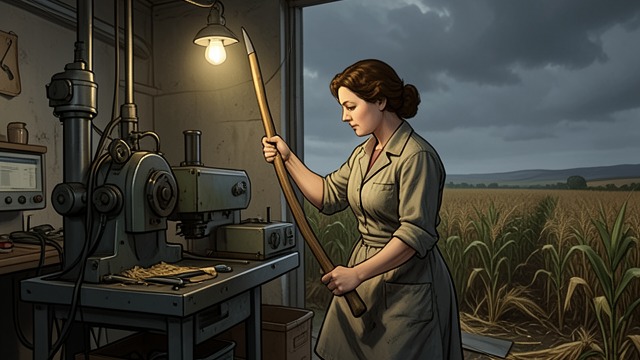
Civilian Labor
Replacing Men
Pamela Wheeler Fellows works in an aircraft factory and later joins the Women’s Land Army. Women fill industrial and agricultural roles left vacant by mobilization.
Unequal Recognition
The factory pays her a woman’s rate for skilled male work, while farm labor offers exhaustion but greater satisfaction. Her labor becomes both patriotic service and personal defiance.
The war changes what women can do without fully changing how they are valued.
Air Raid Protection
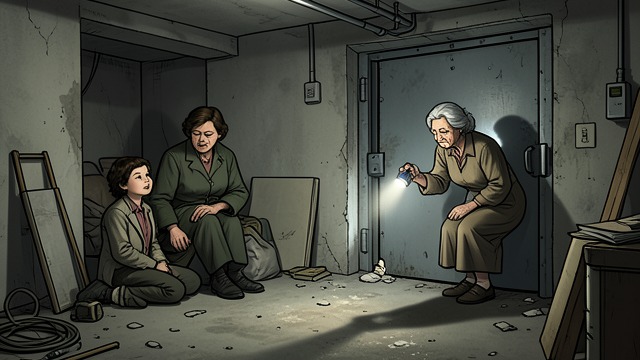
Air Raid Protection
Improvised Safety
Families use Anderson shelters, cellars, floors, and later Morrison shelters. Protection is often partial, uncomfortable, or inaccessible.
A Fatal Absence
When the shelter beneath Pamela’s new flat is locked because its key is with an injured caretaker, residents gather on the ground floor instead. The locked shelter is then destroyed by a direct hit.
Survival depends on discipline, luck, and accidental judgment.
Community Adaptation

Community Adaptation
Shared Burdens
Residents collect newspapers, feed pigs with scraps, donate metal, grow vegetables, and volunteer for canteens. Small actions acquire national significance.
Shared Morale
Radio comedy, music, dances, and informal hospitality preserve emotional energy. The British wartime spirit turns endurance into a social practice.
Civilian life survives by making cooperation feel ordinary.
from September 1939
early to middle wartime years
1942 to 1944
during the Birmingham Blitz
middle wartime years
